Car stereo HiFi

Car HiFi for Your Vehicle – Professional Audio Solutions for Mobile Applications: Transform your vehicle into a mobile concert hall with professional car HiFi systems from LTT. Whether you need high-quality speakers, powerful amplifiers or deep-bass subwoofers — our comprehensive range delivers outstanding sound quality for every mobile application. From touring vehicles and DJ transport to event production cars, we supply the audio components that meet professional standards. Discover how the right car HiFi...
Read more »
Car stereo HiFi
Close window
Car stereo HiFi

Car HiFi for Your Vehicle – Professional Audio Solutions for Mobile Applications

Transform your vehicle into a mobile concert hall with professional car HiFi systems from LTT. Whether you need high-quality speakers, powerful amplifiers or deep-bass subwoofers — our comprehensive range delivers outstanding sound quality for every mobile application. From touring vehicles and DJ transport to event production cars, we supply the audio components that meet professional standards. Discover how the right car HiFi setup can elevate your mobile sound experience and deliver impressive results on every journey.

What is Car HiFi and How Does It Work?

Car HiFi (High Fidelity) refers to audio systems specifically designed for vehicle installation, delivering superior sound quality compared to factory-fitted equipment. A complete car HiFi system comprises several key components working in harmony: speakers (including tweeters and mid-range drivers), amplifiers, subwoofers, head units, and the necessary wiring infrastructure.

Core Components and Their Functions

Speakers convert electrical audio signals into audible sound waves. Component speaker systems separate tweeters (high frequencies) from mid-range drivers, allowing precise placement and optimal sound staging. Coaxial speakers combine multiple drivers in a single unit, offering simpler installation. Typical sizes include 10cm, 13cm, and 16.5cm (6.5 inch) diameter speakers, with larger formats like 6×9 inch oval speakers providing extended bass response.

Amplifiers boost the audio signal from the head unit, providing the electrical power needed to drive speakers effectively. Multi-channel amplifiers (typically 4-channel or 5-channel configurations) distribute power across front and rear speakers, while mono-block amplifiers dedicate their output to subwoofers. Modern Class D amplifiers deliver high power output (500W to 1000W RMS) with minimal heat generation, making them ideal for vehicle installations.

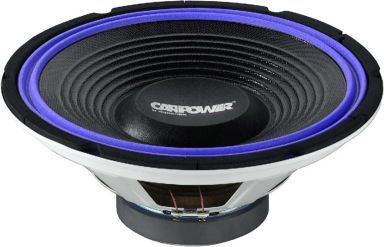
Subwoofers reproduce low-frequency bass (typically 20Hz to 200Hz), adding depth and impact to music reproduction. Common sizes range from 25cm (10 inch) to 30cm (12 inch) diameter, with power handling from 200W to 450W RMS. Active subwoofer systems integrate amplifier and driver in a compact enclosure, while passive subwoofers require external amplification.

Comparison with Standard Factory Audio

Factory-fitted car audio systems prioritise cost efficiency over sound quality, typically using smaller speakers (8cm to 10cm), lower-power amplifiers (15W to 25W per channel), and no dedicated subwoofer. Professional car HiFi systems deliver significantly higher power output, extended frequency response, lower distortion levels, and the ability to reproduce complex musical passages with clarity even at high volume levels. The difference becomes particularly apparent in mobile event applications where audio quality directly impacts professional reputation.

Applications for Professional Car HiFi Systems

Car HiFi systems serve diverse professional applications beyond personal entertainment. Mobile DJs rely on quality in-vehicle audio to preview mixes and test tracks during transit between venues. Event production vehicles benefit from integrated audio systems that allow crew members to review show recordings or communicate via hands-free systems during setup and breakdown.

Mobile Event and Touring Applications

Touring musicians and bands use professional car HiFi installations in tour buses and transport vehicles, creating comfortable listening environments during long-distance travel. The ability to reproduce studio-quality sound helps artists review recordings, rehearse vocal parts, and maintain creative momentum between performances. For event technicians transporting equipment to festival sites and corporate events, reliable car audio provides both entertainment and the means to monitor recorded content from previous shows.

Integration with Professional Audio Equipment

Car HiFi systems can interface with portable mixing consoles, allowing sound engineers to connect laptops or mobile recording devices for playback through quality car stereo HiFi speakers. This proves invaluable when conducting pre-event sound checks or reviewing multi-track recordings in locations where mains power is unavailable. The 12V DC power supply common to vehicle audio makes it compatible with battery-powered professional equipment.

Commercial and Demonstration Vehicles

Companies showcasing audio products at trade shows and exhibitions often fit demonstration vehicles with high-end car HiFi systems. These mobile showrooms allow potential customers to experience sound quality in realistic environments. Similarly, audio equipment retailers use equipped vehicles for on-site demonstrations at client premises, combining transport functionality with sales presentation capability. For more permanent installations, consider our range of multi-channel amplifiers that deliver professional power distribution.

Quality Standards and Professional-Grade Components

Professional car HiFi installations demand components that meet stringent quality criteria. Speaker sensitivity ratings (measured in dB SPL at 1W/1m) typically range from 88dB to 94dB for quality component systems — higher sensitivity means greater output from the same amplifier power. Frequency response specifications should extend from at least 60Hz to 20kHz for full-range speakers, with component tweeters reaching beyond 25kHz for detailed high-frequency reproduction.

Amplifier Specifications and Power Requirements

When selecting amplifiers, RMS (Root Mean Square) power ratings provide the most reliable performance indicator. A quality 4-channel amplifier delivering 75W to 100W RMS per channel at 4 ohms impedance suits most component speaker installations. For subwoofer applications, mono-block amplifiers offering 500W to 1000W RMS at 2 ohms or 1 ohm loads deliver the necessary bass impact. Total Harmonic Distortion (THD) should remain below 0.1% at rated power output, ensuring clean sound reproduction.

Signal-to-Noise Ratio (SNR) specifications above 100dB indicate low background noise, critical for professional applications where audio clarity matters. Damping factor ratings above 200 ensure tight bass control and accurate transient response. Modern DSP (Digital Signal Processing) amplifiers from manufacturers like Audison, Helix, and JBL offer built-in equalisation, time alignment, and crossover functions, eliminating the need for separate processors.

Speaker Construction and Materials

Component speaker systems feature separate tweeters and mid-range drivers, allowing optimal placement within vehicle interiors. Tweeter dome materials include silk (smooth, natural sound), aluminium (detailed, bright character), and beryllium (extended frequency response, low distortion). Mid-range driver cones use polypropylene (durable, consistent), carbon fibre (rigid, lightweight), or Kevlar (high stiffness-to-weight ratio) construction.

Subwoofer cone materials and suspension design significantly impact bass quality. Dual voice coil configurations provide wiring flexibility, allowing series or parallel connection to match amplifier impedance. Enclosure type — sealed, ported, or bandpass — affects bass response characteristics. Sealed enclosures deliver tight, accurate bass; ported designs extend low-frequency output; bandpass enclosures maximise efficiency within a specific frequency range.

Manufacturer Quality Indicators

Established brands including Focal, Hertz, Morel, and Rainbow consistently deliver professional-grade components. These manufacturers publish detailed specifications, provide warranty support, and maintain quality control standards. Entry-level systems start around €200 to €400 for basic component speaker pairs, while professional installations with amplifiers and subwoofers range from €800 to €2,500 depending on power output and feature sets. High-end systems for touring applications can exceed €5,000, incorporating advanced DSP processing, multiple amplifiers, and custom enclosure fabrication.

Installation Techniques and Wiring Standards for Professional Results

Professional car HiFi installation requires careful planning and adherence to electrical safety standards. Power cable sizing must match amplifier current draw — a 500W amplifier operating at 12V draws approximately 42 amperes, requiring minimum 8 AWG (8.4mm²) cable. For systems exceeding 1000W total power, 4 AWG (21mm²) cable becomes necessary. All power cables should incorporate inline fuses rated 20% above continuous current draw, positioned within 45cm of the battery connection.

Grounding and Noise Prevention

Proper grounding prevents alternator whine, engine noise, and ground loop interference. Ground cables should match power cable gauge and connect directly to bare metal chassis points, with paint and rust removed to ensure solid electrical contact. Ground cable length should not exceed 60cm from amplifier to chassis. For multi-amplifier systems, star grounding (all grounds meeting at a single point) minimises potential differences that cause noise.

Signal cables (RCA interconnects) should route separately from power cables, crossing at 90-degree angles when necessary to minimise electromagnetic interference. Quality RCA cables feature twisted-pair construction and braided shielding, rejecting noise from ignition systems and electrical accessories. For professional installations, balanced audio connections using audio hybrid cables provide superior noise immunity over extended cable runs.

Speaker Wiring and Impedance Matching

Speaker cables should use minimum 16 AWG (1.5mm²) gauge for runs up to 5 metres, with 14 AWG (2.5mm²) preferred for longer distances or higher power applications. Oxygen-free copper (OFC) construction reduces resistance and improves power transfer efficiency. Speaker impedance must match amplifier specifications — connecting 2-ohm speakers to amplifiers rated for 4-ohm minimum loads causes overheating and potential failure.

Component speaker crossovers divide the audio spectrum between tweeters and mid-range drivers. Passive crossovers (included with most component sets) require no external power but introduce minor insertion loss. Active crossovers (built into DSP amplifiers) offer precise frequency control and eliminate passive component losses. Crossover frequencies typically fall between 3kHz and 5kHz for component systems, balancing tweeter protection with smooth frequency transition.

Sound Deadening and Acoustic Treatment

Vibration damping materials applied to door panels and floor sections reduce resonance and improve bass response. Closed-cell foam barriers block external noise, lowering ambient sound levels by 3dB to 6dB. These treatments prove particularly valuable in commercial vehicles and touring applications where road noise otherwise compromises audio quality. Professional installations often incorporate custom speaker baffles and mounting rings, ensuring secure driver positioning and optimal acoustic coupling to door panels.

Power Management and Safety Standards for Mobile Audio

Professional car HiFi systems demand robust electrical infrastructure. Vehicle alternators must provide sufficient current to support audio equipment alongside standard electrical loads. A 1000W audio system requires approximately 85 amperes at 12V (accounting for amplifier efficiency), potentially exceeding factory alternator capacity (typically 80A to 120A in standard vehicles). High-output alternators (150A to 250A) become necessary for competition-grade installations.

Battery Capacity and Auxiliary Power

Starting batteries prioritise high cranking current over sustained discharge, making them unsuitable for extended audio system operation with the engine off. Deep-cycle batteries or AGM (Absorbed Glass Mat) batteries provide the reserve capacity needed for mobile DJ applications or demonstration events. Auxiliary battery systems, isolated via battery isolators or voltage-sensitive relays, protect the starting battery while providing dedicated audio power.

Capacitor banks (1 to 5 farad capacity) store electrical energy, supplying instantaneous current during bass transients that would otherwise cause voltage sag and dimming lights. Positioned near amplifiers, capacitors stabilise voltage rails and improve dynamic headroom. For systems exceeding 2000W, multiple capacitors distributed across amplifier locations provide optimal performance.

Fusing and Circuit Protection

Every power cable requires fuse protection matched to cable current capacity. AGU, ANL, and MIDI fuse types suit car audio applications, with ANL fuses preferred for currents exceeding 60 amperes. Fuse holders must provide secure mechanical connection and adequate current rating — loose connections cause voltage drop and heat generation. For professional safety standards, consider our range of fuses designed for high-current applications.

Thermal Management

Class D amplifiers generate less heat than Class AB designs but still require adequate ventilation. Amplifier mounting locations should allow free airflow across heatsinks, avoiding enclosed spaces without ventilation. Thermal protection circuits shut down amplifiers when internal temperatures exceed safe limits (typically 70°C to 85°C), preventing component damage. In touring applications where equipment operates for extended periods, forced-air cooling using 12V fans maintains safe operating temperatures.

Compliance with Vehicle Electrical Standards

Professional installations should not compromise vehicle safety systems or warranty conditions. Cable routing must avoid airbag deployment zones, steering column mechanisms, and brake system components. Electrical connections should use crimp terminals rather than solder joints in high-vibration areas, as solder can fracture under mechanical stress. For commercial vehicle installations, compliance with relevant electrical safety regulations ensures insurance validity and operator safety.

LTT – Your Specialist for Professional Audio Solutions

LTT combines over 25 years of experience in event technology with comprehensive expertise in mobile audio solutions. Our car HiFi range encompasses everything from entry-level component speakers to professional multi-amplifier systems for touring applications. We understand the unique demands of mobile event production, where audio equipment must deliver consistent performance under challenging conditions.

Our technical team provides expert advice on system design, component selection, and installation planning. Whether you need a basic upgrade for a DJ transport vehicle or a complete custom installation for a mobile demonstration unit, we help you specify the optimal solution. With free shipping on orders over €69 and express delivery options, we ensure your audio components arrive when you need them.

Explore our complete range of car stereo HiFi products, including amplifiers, speakers, and subwoofers from leading manufacturers. For professional installations requiring additional connectivity, browse our selection of audio extension cables designed for reliable signal transmission. LTT delivers the components, expertise, and support you need to create impressive mobile audio systems that perform reliably in professional applications.

FAQ – Questions & Answers

What is the best sound system for a car?

The best car sound system depends on your specific requirements and budget. For professional mobile applications, a component speaker system (separate tweeters and mid-range drivers) paired with a 4-channel amplifier delivering 75W to 100W RMS per channel provides excellent sound quality. Add a dedicated subwoofer with mono-block amplifier (500W to 1000W RMS) for full-range bass reproduction. Quality brands like Focal, Hertz, and Morel offer systems ranging from €800 to €2,500 that deliver professional performance. For touring vehicles and mobile DJ applications, prioritise components with robust construction and thermal management capabilities to ensure reliable operation during extended use.

What are the best car audio speakers?

The best car audio speakers balance sensitivity, frequency response, and build quality. Component speaker systems from manufacturers like Focal, Hertz, Morel, and Rainbow consistently deliver professional-grade performance. Look for sensitivity ratings above 90dB SPL (1W/1m) for efficient output, frequency response extending from 60Hz to 20kHz or beyond, and construction using materials like polypropylene, carbon fibre, or Kevlar cones paired with silk or aluminium dome tweeters. Speaker size should match your vehicle's mounting locations — 16.5cm (6.5 inch) diameter speakers fit most door positions. For mobile event applications, choose speakers rated for continuous power handling of 75W to 100W RMS to ensure reliability during extended operation.

How can I improve the sound quality in my car?

Improving car sound quality involves several strategic upgrades. Start by replacing factory speakers with quality component systems featuring separate tweeters and mid-range drivers — this single upgrade delivers the most noticeable improvement. Add a 4-channel amplifier to provide clean power (75W to 100W RMS per channel) and reduce distortion at higher volumes. Install sound deadening material on door panels to reduce vibration and improve bass response. Add a subwoofer system (25cm to 30cm diameter with dedicated amplifier) to reproduce low frequencies that standard speakers cannot handle. Finally, use a DSP (Digital Signal Processing) amplifier to correct acoustic issues through equalisation and time alignment, compensating for speaker placement limitations within vehicle interiors.

How do I get more bass in my car audio?

Achieving powerful bass in car audio requires a dedicated subwoofer system. Select a subwoofer sized between 25cm (10 inch) and 30cm (12 inch) diameter with power handling from 300W to 500W RMS for most applications. Pair it with a mono-block amplifier delivering matching power output at the subwoofer's impedance (typically 2 ohms or 4 ohms). Choose an appropriate enclosure type: sealed boxes deliver tight, accurate bass; ported enclosures extend low-frequency output and increase efficiency. Install the subwoofer in the boot or rear cargo area, ensuring the enclosure is securely mounted to prevent movement. Apply sound deadening material to boot panels to reduce rattles. Set the amplifier's low-pass filter between 80Hz and 120Hz to blend smoothly with front speakers.

What size speakers fit my car?

Speaker size compatibility depends on your vehicle's factory mounting locations. Most vehicles accommodate 16.5cm (6.5 inch) diameter speakers in front doors, though some use 13cm (5.25 inch) or 10cm (4 inch) sizes. Rear deck locations often accept larger formats including 6×9 inch oval speakers. To determine exact fitment, consult vehicle-specific installation guides or measure existing speaker mounting holes. Component speaker systems include mounting brackets and spacers to adapt various sizes. For professional installations in touring vehicles or mobile event applications, custom mounting solutions can accommodate larger drivers for improved performance. Always verify mounting depth clearance — aftermarket speakers may require more space than factory units due to larger magnets and deeper baskets.

Do I need an amplifier for car speakers?

While car speakers will operate from head unit power alone, adding a dedicated amplifier significantly improves sound quality and performance. Factory head units typically deliver 15W to 25W per channel with high distortion levels, insufficient to drive aftermarket speakers to their full potential. A quality 4-channel amplifier providing 75W to 100W RMS per channel delivers clean power with minimal distortion (below 0.1% THD), allowing speakers to reproduce music accurately even at high volumes. Amplifiers also provide greater dynamic headroom for transient peaks in music, preventing clipping and distortion. For professional mobile applications including DJ transport vehicles and touring equipment, amplifiers are essential to achieve the sound quality and reliability that professional work demands.

What does a car HiFi system cost?

Car HiFi system costs vary widely based on component quality and system complexity. Entry-level component speaker pairs start around €150 to €250, while professional-grade systems from brands like Focal or Hertz range from €400 to €800. Adding a 4-channel amplifier (75W to 100W RMS per channel) costs €200 to €500 for quality units. Subwoofer systems including driver, enclosure, and mono-block amplifier range from €300 to €1,200 depending on power output and build quality. Complete professional installations for mobile event applications typically cost €1,500 to €3,500, including all components, wiring, and sound deadening materials. High-end touring vehicle systems with multiple amplifiers, DSP processing, and custom fabrication can exceed €5,000.

Which car HiFi system suits mobile event applications?

Mobile event applications demand car HiFi systems that combine sound quality with reliability and durability. Choose component speaker systems with sensitivity above 90dB SPL and power handling of 75W to 100W RMS continuous for efficient operation. Select Class D amplifiers for their high efficiency and low heat generation — critical for extended operation in touring vehicles. A 4-channel amplifier (100W RMS per channel) paired with a mono-block subwoofer amplifier (500W to 1000W RMS) provides sufficient power for professional applications. Prioritise manufacturers offering robust construction and thermal protection, including Focal, Hertz, JBL, and Audison. Install sound deadening materials to reduce road noise during transit. For vehicles carrying audio equipment to events, integrate the car HiFi system with portable mixing consoles using quality interconnect cables for playback and monitoring applications.
Top seller
CARPOWER DT-284 Hochtoener-Paar
MONACOR DT-284 Pair of dome tweeters, 60 W, 4 O
€93.00 *
incl. tax, free shipping to Germany
[International shipping costs]
Availability:
Delivery time: 1-3 days
1 Article
Close filters
 
  •  
No results were found for the filter!
CARPOWER DT-284 Hochtoener-Paar
MONACOR DT-284 Pair of dome tweeters, 60 W, 4 O
The Tweeter for Perfect Car Hi-fi Applications: DT-284 “The Dome”. This tweeter provides everything expected from a top class tweeter: a sensationally linear frequency response, high...
€93.00 *
incl. tax, free shipping to Germany
[International shipping costs]
Availability:
Delivery time: 1-3 days
Facts
Car HiFi for Your Vehicle – Professional Audio Solutions for Mobile Applications: Transform your vehicle into a mobile concert hall with professional car HiFi systems from LTT. Whether you need high-quality speakers, powerful amplifiers or deep-bass subwoofers — our comprehensive range delivers outstanding sound quality for every mobile application. From touring vehicles and DJ transport to event production cars, we supply the audio... Read more »
Viewed
Facts

Car HiFi for Your Vehicle – Professional Audio Solutions for Mobile Applications

Transform your vehicle into a mobile concert hall with professional car HiFi systems from LTT. Whether you need high-quality speakers, powerful amplifiers or deep-bass subwoofers — our comprehensive range delivers outstanding sound quality for every mobile application. From touring vehicles and DJ transport to event production cars, we supply the audio components that meet professional standards. Discover how the right car HiFi setup can elevate your mobile sound experience and deliver impressive results on every journey.

What is Car HiFi and How Does It Work?

Car HiFi (High Fidelity) refers to audio systems specifically designed for vehicle installation, delivering superior sound quality compared to factory-fitted equipment. A complete car HiFi system comprises several key components working in harmony: speakers (including tweeters and mid-range drivers), amplifiers, subwoofers, head units, and the necessary wiring infrastructure.

Core Components and Their Functions

Speakers convert electrical audio signals into audible sound waves. Component speaker systems separate tweeters (high frequencies) from mid-range drivers, allowing precise placement and optimal sound staging. Coaxial speakers combine multiple drivers in a single unit, offering simpler installation. Typical sizes include 10cm, 13cm, and 16.5cm (6.5 inch) diameter speakers, with larger formats like 6×9 inch oval speakers providing extended bass response.

Amplifiers boost the audio signal from the head unit, providing the electrical power needed to drive speakers effectively. Multi-channel amplifiers (typically 4-channel or 5-channel configurations) distribute power across front and rear speakers, while mono-block amplifiers dedicate their output to subwoofers. Modern Class D amplifiers deliver high power output (500W to 1000W RMS) with minimal heat generation, making them ideal for vehicle installations.

Subwoofers reproduce low-frequency bass (typically 20Hz to 200Hz), adding depth and impact to music reproduction. Common sizes range from 25cm (10 inch) to 30cm (12 inch) diameter, with power handling from 200W to 450W RMS. Active subwoofer systems integrate amplifier and driver in a compact enclosure, while passive subwoofers require external amplification.

Comparison with Standard Factory Audio

Factory-fitted car audio systems prioritise cost efficiency over sound quality, typically using smaller speakers (8cm to 10cm), lower-power amplifiers (15W to 25W per channel), and no dedicated subwoofer. Professional car HiFi systems deliver significantly higher power output, extended frequency response, lower distortion levels, and the ability to reproduce complex musical passages with clarity even at high volume levels. The difference becomes particularly apparent in mobile event applications where audio quality directly impacts professional reputation.

Applications for Professional Car HiFi Systems

Car HiFi systems serve diverse professional applications beyond personal entertainment. Mobile DJs rely on quality in-vehicle audio to preview mixes and test tracks during transit between venues. Event production vehicles benefit from integrated audio systems that allow crew members to review show recordings or communicate via hands-free systems during setup and breakdown.

Mobile Event and Touring Applications

Touring musicians and bands use professional car HiFi installations in tour buses and transport vehicles, creating comfortable listening environments during long-distance travel. The ability to reproduce studio-quality sound helps artists review recordings, rehearse vocal parts, and maintain creative momentum between performances. For event technicians transporting equipment to festival sites and corporate events, reliable car audio provides both entertainment and the means to monitor recorded content from previous shows.

Integration with Professional Audio Equipment

Car HiFi systems can interface with portable mixing consoles, allowing sound engineers to connect laptops or mobile recording devices for playback through quality car stereo HiFi speakers. This proves invaluable when conducting pre-event sound checks or reviewing multi-track recordings in locations where mains power is unavailable. The 12V DC power supply common to vehicle audio makes it compatible with battery-powered professional equipment.

Commercial and Demonstration Vehicles

Companies showcasing audio products at trade shows and exhibitions often fit demonstration vehicles with high-end car HiFi systems. These mobile showrooms allow potential customers to experience sound quality in realistic environments. Similarly, audio equipment retailers use equipped vehicles for on-site demonstrations at client premises, combining transport functionality with sales presentation capability. For more permanent installations, consider our range of multi-channel amplifiers that deliver professional power distribution.

Quality Standards and Professional-Grade Components

Professional car HiFi installations demand components that meet stringent quality criteria. Speaker sensitivity ratings (measured in dB SPL at 1W/1m) typically range from 88dB to 94dB for quality component systems — higher sensitivity means greater output from the same amplifier power. Frequency response specifications should extend from at least 60Hz to 20kHz for full-range speakers, with component tweeters reaching beyond 25kHz for detailed high-frequency reproduction.

Amplifier Specifications and Power Requirements

When selecting amplifiers, RMS (Root Mean Square) power ratings provide the most reliable performance indicator. A quality 4-channel amplifier delivering 75W to 100W RMS per channel at 4 ohms impedance suits most component speaker installations. For subwoofer applications, mono-block amplifiers offering 500W to 1000W RMS at 2 ohms or 1 ohm loads deliver the necessary bass impact. Total Harmonic Distortion (THD) should remain below 0.1% at rated power output, ensuring clean sound reproduction.

Signal-to-Noise Ratio (SNR) specifications above 100dB indicate low background noise, critical for professional applications where audio clarity matters. Damping factor ratings above 200 ensure tight bass control and accurate transient response. Modern DSP (Digital Signal Processing) amplifiers from manufacturers like Audison, Helix, and JBL offer built-in equalisation, time alignment, and crossover functions, eliminating the need for separate processors.

Speaker Construction and Materials

Component speaker systems feature separate tweeters and mid-range drivers, allowing optimal placement within vehicle interiors. Tweeter dome materials include silk (smooth, natural sound), aluminium (detailed, bright character), and beryllium (extended frequency response, low distortion). Mid-range driver cones use polypropylene (durable, consistent), carbon fibre (rigid, lightweight), or Kevlar (high stiffness-to-weight ratio) construction.

Subwoofer cone materials and suspension design significantly impact bass quality. Dual voice coil configurations provide wiring flexibility, allowing series or parallel connection to match amplifier impedance. Enclosure type — sealed, ported, or bandpass — affects bass response characteristics. Sealed enclosures deliver tight, accurate bass; ported designs extend low-frequency output; bandpass enclosures maximise efficiency within a specific frequency range.

Manufacturer Quality Indicators

Established brands including Focal, Hertz, Morel, and Rainbow consistently deliver professional-grade components. These manufacturers publish detailed specifications, provide warranty support, and maintain quality control standards. Entry-level systems start around €200 to €400 for basic component speaker pairs, while professional installations with amplifiers and subwoofers range from €800 to €2,500 depending on power output and feature sets. High-end systems for touring applications can exceed €5,000, incorporating advanced DSP processing, multiple amplifiers, and custom enclosure fabrication.

Installation Techniques and Wiring Standards for Professional Results

Professional car HiFi installation requires careful planning and adherence to electrical safety standards. Power cable sizing must match amplifier current draw — a 500W amplifier operating at 12V draws approximately 42 amperes, requiring minimum 8 AWG (8.4mm²) cable. For systems exceeding 1000W total power, 4 AWG (21mm²) cable becomes necessary. All power cables should incorporate inline fuses rated 20% above continuous current draw, positioned within 45cm of the battery connection.

Grounding and Noise Prevention

Proper grounding prevents alternator whine, engine noise, and ground loop interference. Ground cables should match power cable gauge and connect directly to bare metal chassis points, with paint and rust removed to ensure solid electrical contact. Ground cable length should not exceed 60cm from amplifier to chassis. For multi-amplifier systems, star grounding (all grounds meeting at a single point) minimises potential differences that cause noise.

Signal cables (RCA interconnects) should route separately from power cables, crossing at 90-degree angles when necessary to minimise electromagnetic interference. Quality RCA cables feature twisted-pair construction and braided shielding, rejecting noise from ignition systems and electrical accessories. For professional installations, balanced audio connections using audio hybrid cables provide superior noise immunity over extended cable runs.

Speaker Wiring and Impedance Matching

Speaker cables should use minimum 16 AWG (1.5mm²) gauge for runs up to 5 metres, with 14 AWG (2.5mm²) preferred for longer distances or higher power applications. Oxygen-free copper (OFC) construction reduces resistance and improves power transfer efficiency. Speaker impedance must match amplifier specifications — connecting 2-ohm speakers to amplifiers rated for 4-ohm minimum loads causes overheating and potential failure.

Component speaker crossovers divide the audio spectrum between tweeters and mid-range drivers. Passive crossovers (included with most component sets) require no external power but introduce minor insertion loss. Active crossovers (built into DSP amplifiers) offer precise frequency control and eliminate passive component losses. Crossover frequencies typically fall between 3kHz and 5kHz for component systems, balancing tweeter protection with smooth frequency transition.

Sound Deadening and Acoustic Treatment

Vibration damping materials applied to door panels and floor sections reduce resonance and improve bass response. Closed-cell foam barriers block external noise, lowering ambient sound levels by 3dB to 6dB. These treatments prove particularly valuable in commercial vehicles and touring applications where road noise otherwise compromises audio quality. Professional installations often incorporate custom speaker baffles and mounting rings, ensuring secure driver positioning and optimal acoustic coupling to door panels.

Power Management and Safety Standards for Mobile Audio

Professional car HiFi systems demand robust electrical infrastructure. Vehicle alternators must provide sufficient current to support audio equipment alongside standard electrical loads. A 1000W audio system requires approximately 85 amperes at 12V (accounting for amplifier efficiency), potentially exceeding factory alternator capacity (typically 80A to 120A in standard vehicles). High-output alternators (150A to 250A) become necessary for competition-grade installations.

Battery Capacity and Auxiliary Power

Starting batteries prioritise high cranking current over sustained discharge, making them unsuitable for extended audio system operation with the engine off. Deep-cycle batteries or AGM (Absorbed Glass Mat) batteries provide the reserve capacity needed for mobile DJ applications or demonstration events. Auxiliary battery systems, isolated via battery isolators or voltage-sensitive relays, protect the starting battery while providing dedicated audio power.

Capacitor banks (1 to 5 farad capacity) store electrical energy, supplying instantaneous current during bass transients that would otherwise cause voltage sag and dimming lights. Positioned near amplifiers, capacitors stabilise voltage rails and improve dynamic headroom. For systems exceeding 2000W, multiple capacitors distributed across amplifier locations provide optimal performance.

Fusing and Circuit Protection

Every power cable requires fuse protection matched to cable current capacity. AGU, ANL, and MIDI fuse types suit car audio applications, with ANL fuses preferred for currents exceeding 60 amperes. Fuse holders must provide secure mechanical connection and adequate current rating — loose connections cause voltage drop and heat generation. For professional safety standards, consider our range of fuses designed for high-current applications.

Thermal Management

Class D amplifiers generate less heat than Class AB designs but still require adequate ventilation. Amplifier mounting locations should allow free airflow across heatsinks, avoiding enclosed spaces without ventilation. Thermal protection circuits shut down amplifiers when internal temperatures exceed safe limits (typically 70°C to 85°C), preventing component damage. In touring applications where equipment operates for extended periods, forced-air cooling using 12V fans maintains safe operating temperatures.

Compliance with Vehicle Electrical Standards

Professional installations should not compromise vehicle safety systems or warranty conditions. Cable routing must avoid airbag deployment zones, steering column mechanisms, and brake system components. Electrical connections should use crimp terminals rather than solder joints in high-vibration areas, as solder can fracture under mechanical stress. For commercial vehicle installations, compliance with relevant electrical safety regulations ensures insurance validity and operator safety.

LTT – Your Specialist for Professional Audio Solutions

LTT combines over 25 years of experience in event technology with comprehensive expertise in mobile audio solutions. Our car HiFi range encompasses everything from entry-level component speakers to professional multi-amplifier systems for touring applications. We understand the unique demands of mobile event production, where audio equipment must deliver consistent performance under challenging conditions.

Our technical team provides expert advice on system design, component selection, and installation planning. Whether you need a basic upgrade for a DJ transport vehicle or a complete custom installation for a mobile demonstration unit, we help you specify the optimal solution. With free shipping on orders over €69 and express delivery options, we ensure your audio components arrive when you need them.

Explore our complete range of car stereo HiFi products, including amplifiers, speakers, and subwoofers from leading manufacturers. For professional installations requiring additional connectivity, browse our selection of audio extension cables designed for reliable signal transmission. LTT delivers the components, expertise, and support you need to create impressive mobile audio systems that perform reliably in professional applications.

FAQ – Questions & Answers

What is the best sound system for a car?

The best car sound system depends on your specific requirements and budget. For professional mobile applications, a component speaker system (separate tweeters and mid-range drivers) paired with a 4-channel amplifier delivering 75W to 100W RMS per channel provides excellent sound quality. Add a dedicated subwoofer with mono-block amplifier (500W to 1000W RMS) for full-range bass reproduction. Quality brands like Focal, Hertz, and Morel offer systems ranging from €800 to €2,500 that deliver professional performance. For touring vehicles and mobile DJ applications, prioritise components with robust construction and thermal management capabilities to ensure reliable operation during extended use.

What are the best car audio speakers?

The best car audio speakers balance sensitivity, frequency response, and build quality. Component speaker systems from manufacturers like Focal, Hertz, Morel, and Rainbow consistently deliver professional-grade performance. Look for sensitivity ratings above 90dB SPL (1W/1m) for efficient output, frequency response extending from 60Hz to 20kHz or beyond, and construction using materials like polypropylene, carbon fibre, or Kevlar cones paired with silk or aluminium dome tweeters. Speaker size should match your vehicle's mounting locations — 16.5cm (6.5 inch) diameter speakers fit most door positions. For mobile event applications, choose speakers rated for continuous power handling of 75W to 100W RMS to ensure reliability during extended operation.

How can I improve the sound quality in my car?

Improving car sound quality involves several strategic upgrades. Start by replacing factory speakers with quality component systems featuring separate tweeters and mid-range drivers — this single upgrade delivers the most noticeable improvement. Add a 4-channel amplifier to provide clean power (75W to 100W RMS per channel) and reduce distortion at higher volumes. Install sound deadening material on door panels to reduce vibration and improve bass response. Add a subwoofer system (25cm to 30cm diameter with dedicated amplifier) to reproduce low frequencies that standard speakers cannot handle. Finally, use a DSP (Digital Signal Processing) amplifier to correct acoustic issues through equalisation and time alignment, compensating for speaker placement limitations within vehicle interiors.

How do I get more bass in my car audio?

Achieving powerful bass in car audio requires a dedicated subwoofer system. Select a subwoofer sized between 25cm (10 inch) and 30cm (12 inch) diameter with power handling from 300W to 500W RMS for most applications. Pair it with a mono-block amplifier delivering matching power output at the subwoofer's impedance (typically 2 ohms or 4 ohms). Choose an appropriate enclosure type: sealed boxes deliver tight, accurate bass; ported enclosures extend low-frequency output and increase efficiency. Install the subwoofer in the boot or rear cargo area, ensuring the enclosure is securely mounted to prevent movement. Apply sound deadening material to boot panels to reduce rattles. Set the amplifier's low-pass filter between 80Hz and 120Hz to blend smoothly with front speakers.

What size speakers fit my car?

Speaker size compatibility depends on your vehicle's factory mounting locations. Most vehicles accommodate 16.5cm (6.5 inch) diameter speakers in front doors, though some use 13cm (5.25 inch) or 10cm (4 inch) sizes. Rear deck locations often accept larger formats including 6×9 inch oval speakers. To determine exact fitment, consult vehicle-specific installation guides or measure existing speaker mounting holes. Component speaker systems include mounting brackets and spacers to adapt various sizes. For professional installations in touring vehicles or mobile event applications, custom mounting solutions can accommodate larger drivers for improved performance. Always verify mounting depth clearance — aftermarket speakers may require more space than factory units due to larger magnets and deeper baskets.

Do I need an amplifier for car speakers?

While car speakers will operate from head unit power alone, adding a dedicated amplifier significantly improves sound quality and performance. Factory head units typically deliver 15W to 25W per channel with high distortion levels, insufficient to drive aftermarket speakers to their full potential. A quality 4-channel amplifier providing 75W to 100W RMS per channel delivers clean power with minimal distortion (below 0.1% THD), allowing speakers to reproduce music accurately even at high volumes. Amplifiers also provide greater dynamic headroom for transient peaks in music, preventing clipping and distortion. For professional mobile applications including DJ transport vehicles and touring equipment, amplifiers are essential to achieve the sound quality and reliability that professional work demands.

What does a car HiFi system cost?

Car HiFi system costs vary widely based on component quality and system complexity. Entry-level component speaker pairs start around €150 to €250, while professional-grade systems from brands like Focal or Hertz range from €400 to €800. Adding a 4-channel amplifier (75W to 100W RMS per channel) costs €200 to €500 for quality units. Subwoofer systems including driver, enclosure, and mono-block amplifier range from €300 to €1,200 depending on power output and build quality. Complete professional installations for mobile event applications typically cost €1,500 to €3,500, including all components, wiring, and sound deadening materials. High-end touring vehicle systems with multiple amplifiers, DSP processing, and custom fabrication can exceed €5,000.

Which car HiFi system suits mobile event applications?

Mobile event applications demand car HiFi systems that combine sound quality with reliability and durability. Choose component speaker systems with sensitivity above 90dB SPL and power handling of 75W to 100W RMS continuous for efficient operation. Select Class D amplifiers for their high efficiency and low heat generation — critical for extended operation in touring vehicles. A 4-channel amplifier (100W RMS per channel) paired with a mono-block subwoofer amplifier (500W to 1000W RMS) provides sufficient power for professional applications. Prioritise manufacturers offering robust construction and thermal protection, including Focal, Hertz, JBL, and Audison. Install sound deadening materials to reduce road noise during transit. For vehicles carrying audio equipment to events, integrate the car HiFi system with portable mixing consoles using quality interconnect cables for playback and monitoring applications.

// Countdown for Black Deals