Headphones
Professional Headphones for Event Technology – Your Specialist LTT
Welcome to LTT, your specialist for professional headphones in event technology. Whether you need DJ headphones for club performances, stage monitoring solutions for live sound engineers, or rugged communication headsets for touring crews — you will find the right solution here. Our range includes closed-back monitoring headphones, wireless intercom systems, and tour-grade models built to withstand the demands of professional stage and event environments. With over 25 years of experience in event technology, LTT delivers high-quality branded products that meet the technical requirements of professionals.
What Are Professional Headphones in Event Technology?
Professional headphones in event technology are specialised audio devices designed for demanding applications in live sound, stage monitoring, DJ performance, and crew communication. Unlike consumer headphones optimised for casual listening, professional models prioritise accurate sound reproduction, high sound pressure level (SPL) handling, robust construction, and reliable performance under challenging conditions.
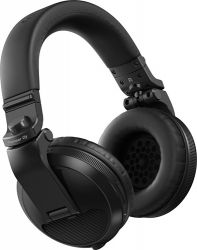
DJ headphones feature swivelling ear cups for single-ear monitoring, closed-back designs for maximum isolation in loud club environments, and reinforced headbands to survive years of touring. Typical specifications include impedance values between 32 and 64 ohms for compatibility with mixing consoles and DJ controllers, frequency response ranges of 20 Hz to 20 kHz, and SPL capabilities exceeding 110 dB.
Stage monitoring headphones serve live sound engineers and musicians who require precise audio feedback during performances. These models often feature detachable cables (usually 3.5 mm or 6.35 mm jack connectors) to prevent damage during setup and breakdown, replaceable ear cushions for hygiene and longevity, and foldable designs for compact transport in flight cases.
Communication headsets differ fundamentally from music headphones. They integrate boom microphones for clear voice transmission, often with noise-cancelling technology to filter out stage noise, and connect to intercom systems via XLR or proprietary wireless protocols. These headsets enable stage managers, lighting technicians, and crew members to coordinate complex productions in real time.
Compared to consumer wireless earbuds or Bluetooth headphones marketed for everyday use, professional event technology headphones prioritise durability, serviceability, and compatibility with professional audio infrastructure over features like active noise cancelling (ANC) for commuting or fitness tracking.
Applications: Where Professional Headphones Excel
Professional headphones serve multiple critical roles across event technology applications. DJ performances demand closed-back headphones with swivelling ear cups that allow beat-matching with one ear while monitoring the main mix with the other. Club DJs working in venues with sound pressure levels exceeding 100 dB rely on headphones with excellent passive isolation to hear cue tracks clearly without cranking volume to dangerous levels.
Live sound engineering requires monitoring headphones that deliver flat frequency response for accurate mix decisions. Front-of-house engineers use closed-back models to check individual channels and identify feedback frequencies during soundcheck, while monitor engineers rely on headphones to verify in-ear monitor mixes before sending them to performers on stage.
Stage crew communication depends on intercom headsets that integrate seamlessly with systems from manufacturers like Clear-Com, RTS, or Riedel. These headsets enable lighting designers, stage managers, riggers, and spotlight operators to coordinate cues and respond to technical issues during live performances. Tour-grade construction with replaceable cables and ear cushions ensures these headsets survive months of road use.
Broadcast and recording applications in live event contexts — such as festival streams or concert recordings — require studio-quality monitoring headphones with open-back or semi-open designs for natural sound staging. Engineers monitoring multi-track recordings during live events need headphones that reveal mix details without introducing colouration.
Professional headphones also play essential roles in rehearsal spaces, theatre productions, and corporate events where technicians must monitor audio discreetly without disturbing performers or audiences. The versatility and reliability of professional models make them indispensable tools across the entire event technology spectrum.
Quality Standards and Professional Requirements
When selecting professional headphones for event technology, several technical specifications and quality criteria determine suitability for demanding applications. Impedance matching is critical: headphones with 32-ohm impedance work well with portable DJ controllers and battery-powered intercom packs, while 64-ohm or higher models suit mixing consoles and professional headphone amplifiers that deliver higher voltage. Mismatched impedance results in insufficient volume or distorted sound.
Frequency response specifications reveal how accurately headphones reproduce audio across the spectrum. Studio monitoring headphones typically specify ±3 dB deviation from 20 Hz to 20 kHz, ensuring engineers hear mixes as recorded. DJ headphones often emphasise bass response (30–60 Hz) to help beat-matching in bass-heavy electronic music genres, while communication headsets may roll off below 200 Hz to prioritise voice intelligibility.
Sound pressure level (SPL) capability indicates maximum loudness before distortion. Professional models routinely handle 110 dB SPL or higher, essential for monitoring in loud stage environments. However, prolonged exposure above 85 dB risks hearing damage — professional users must balance monitoring needs with hearing protection.
Construction quality separates professional models from consumer alternatives. Tour-grade headphones feature replaceable cables (typically locking 3.5 mm or 6.35 mm jacks) that prevent complete failure when cables fray. Replaceable ear cushions (velour or protein leather) maintain hygiene and comfort over years of use. Metal headband reinforcements and swivelling hinges with metal pivots ensure mechanical reliability during transport and daily setup.
Leading manufacturers in professional event technology include Beyerdynamic (DT series monitoring headphones), Sennheiser (HD series and professional intercom headsets), Audio-Technica (ATH-M series for studio and DJ use), Shure (SRH series and wireless intercom systems), and AKG (K series studio monitors). LTT stocks these established brands alongside emerging manufacturers offering innovative features at competitive price points.
Price brackets reflect capability and durability: entry-level professional DJ headphones start around £60–£80, mid-range studio monitoring models range from £120–£250, and premium tour-grade headsets with intercom integration reach £300–£600. Investing in quality pays dividends through years of reliable service and superior audio performance that directly impacts production quality.
Wireless Technology and Intercom Systems for Event Crews
Wireless headphone systems and intercom solutions have transformed crew communication in modern event production. Unlike consumer Bluetooth headphones designed for music streaming, professional wireless intercom headsets operate on licensed UHF frequencies (typically 470–608 MHz in Europe) or proprietary 2.4 GHz digital protocols that deliver low-latency, interference-free communication even in RF-dense festival environments with dozens of wireless microphones and in-ear monitor systems.
Wireless intercom systems consist of a base station connected to the production's communication network and wireless belt packs worn by crew members. Headsets connect to belt packs via standard 4-pin XLR or proprietary connectors. Leading systems from manufacturers like Clear-Com, RTS, and Riedel support multiple communication channels (called "party lines"), allowing lighting crew, audio engineers, and stage managers to communicate on separate channels while monitoring a common "all-call" channel for critical announcements.
Latency is critical in live production: delays exceeding 20 milliseconds between speaking and hearing create confusion during time-sensitive cues. Professional digital wireless systems achieve sub-10 ms latency through proprietary compression algorithms and dedicated RF protocols, far superior to consumer Bluetooth (which typically exhibits 100–200 ms latency unsuitable for live coordination).
Battery life determines operational reliability. Professional wireless belt packs deliver 8–12 hours of continuous use on standard AA or rechargeable lithium batteries, sufficient for full production days including setup, show, and breakdown. Systems with hot-swappable battery compartments allow crew members to replace batteries without interrupting communication during critical moments.
Range and reliability distinguish professional systems from consumer alternatives. Outdoor festival productions require wireless range exceeding 300 metres with line-of-sight, while indoor theatre productions demand reliable operation through concrete walls and metal stage structures. Diversity receiver technology (using two antennas per receiver) maintains signal integrity when crew members move behind scenery or into RF shadow zones.
For smaller productions or budget-conscious users, wired intercom headsets remain the standard. These connect directly to intercom stations or belt packs via 4-pin XLR, offering unlimited operating time, zero latency, and immunity to RF interference. Professional wired headsets feature dynamic microphones (which require no phantom power and tolerate high SPL) or electret condenser microphones (which offer superior voice clarity in quieter environments).
LTT supplies complete intercom solutions including base stations, belt packs, and compatible headsets from established manufacturers. Whether you are coordinating a corporate conference with three crew members or managing a multi-stage festival with dozens of technicians, professional intercom systems ensure clear, reliable communication that keeps productions running smoothly.
Impedance, Drivers, and Technical Specifications Explained
Understanding key technical specifications helps you select headphones that match your equipment and application requirements. Impedance, measured in ohms (Ω), represents the electrical resistance headphones present to the audio source. Lower impedance (16–32 Ω) headphones draw more current and work efficiently with portable devices like DJ controllers, smartphones, and battery-powered intercom packs. Higher impedance (64–600 Ω) models require more voltage to achieve the same volume level, making them ideal for professional mixing consoles, dedicated headphone amplifiers, and studio equipment with robust output stages.
Mismatched impedance causes problems: connecting 250 Ω studio monitors to a portable DJ controller results in insufficient volume, while driving 32 Ω headphones from a high-voltage studio amplifier may produce distortion at moderate levels. Professional users often maintain multiple headphones matched to different equipment in their workflow.
Driver size influences bass response and overall sound character. DJ headphones typically feature 40–50 mm dynamic drivers that deliver powerful low-frequency reproduction for beat-matching in bass-heavy electronic music. Studio monitoring headphones may use smaller 30–40 mm drivers optimised for flat frequency response rather than emphasised bass. Larger drivers are not inherently better — driver quality, enclosure design, and tuning determine sonic performance.
Frequency response specifications describe how evenly headphones reproduce audio across the audible spectrum (20 Hz to 20 kHz). Studio monitoring headphones aim for ±3 dB deviation to ensure accurate mix translation, while DJ headphones may boost 40–80 Hz by 5–8 dB to emphasise kick drums and basslines. Communication headsets often specify narrower response (200 Hz to 8 kHz) optimised for voice intelligibility rather than full-range music reproduction.
Sensitivity, measured in dB SPL/mW, indicates how loud headphones play at a given power level. Higher sensitivity (100+ dB SPL/mW) means headphones reach high volumes with less power, important for battery-powered equipment. However, excessive sensitivity combined with high-output sources can make precise volume control difficult and increase background noise audibility.
Total Harmonic Distortion (THD) quantifies how much the headphones alter the audio signal. Professional models specify THD below 0.5% at normal listening levels (around 90 dB SPL), ensuring clean reproduction without audible colouration. THD increases at high SPL — specifications should indicate the measurement level.
Cable design impacts durability and serviceability. Professional headphones feature detachable cables with locking 3.5 mm or 6.35 mm connectors, allowing cable replacement without discarding the entire headphone when connectors fail. Coiled cables (common on DJ headphones) provide stretch for movement while retracting to prevent tangling. Straight cables suit stationary studio use. Cable length typically ranges from 1.5 metres (portable use) to 3 metres (studio/stage applications).
Understanding these specifications enables informed decisions based on your equipment, application, and sonic preferences rather than marketing claims. LTT provides detailed technical data for every headphone model, ensuring you select the optimal solution for your professional requirements.
LTT – Your Specialist for Event Technology
LTT has been your reliable partner for professional event technology for over 25 years. As both a specialist retailer and manufacturer with our own production facility in Germany, we understand the demands of professional applications. Our range of headphones includes everything from DJ monitoring solutions and studio-grade reference headphones to complete wireless intercom systems for touring productions.
We stock leading brands including Beyerdynamic, Sennheiser, Audio-Technica, Shure, and AKG alongside emerging manufacturers offering innovative solutions. Every product meets professional quality standards and is backed by our 3-year LTT warranty. Orders over €69 ship free throughout Europe, and express delivery options ensure you receive critical equipment when productions demand it.
Our team of event technology specialists provides expert advice to help you select headphones that match your specific requirements — whether you need closed-back DJ headphones with swivelling ear cups, flat-response studio monitors for accurate mixing, or rugged intercom headsets for touring crews. With worldwide shipping and wholesale pricing for resellers, LTT serves professionals across the event technology industry.
Discover our complete range of professional headphones and communication systems. LTT delivers the reliable equipment and expert support that keep your productions running smoothly.
FAQ – Questions & Answers
The best headphones for professional DJ use feature closed-back designs for maximum isolation in loud club environments, swivelling ear cups for single-ear monitoring during beat-matching, and impedance values between 32–64 ohms for compatibility with DJ controllers and mixing consoles. Leading models include the Sennheiser HD 25, Audio-Technica ATH-M50x, and Beyerdynamic DT 770 Pro. Professional DJ headphones should deliver emphasised bass response (typically 30–60 Hz) to help identify kick drums and basslines, handle sound pressure levels exceeding 110 dB, and feature replaceable cables and ear cushions for long-term durability. Prices for quality DJ headphones range from £80 for entry-level models to £250 for premium tour-grade options. LTT stocks the complete range of professional DJ headphones from established manufacturers.
Closed-back headphones feature sealed ear cups that isolate the listener from external noise and prevent sound leakage, making them ideal for DJ monitoring, stage use, and recording environments where isolation is critical. They typically deliver stronger bass response due to the sealed enclosure but may create a less natural sound stage. Open-back headphones have perforated or mesh-covered ear cups that allow air and sound to pass through, creating a more natural and spacious sound stage preferred for critical mixing and mastering in quiet studio environments. However, open-back designs offer no isolation — external noise enters freely and reproduced audio leaks out, making them unsuitable for live performance or shared spaces. Semi-open designs attempt to balance these characteristics. Professional event technicians typically choose closed-back models for stage and live sound applications.
Professional monitoring headphones for event technology applications range from approximately £60 to £600 depending on specifications and intended use. Entry-level professional DJ headphones suitable for mobile DJs and small venue work start around £60–£80 and offer basic closed-back isolation and replaceable cables. Mid-range studio monitoring headphones from manufacturers like Audio-Technica, Beyerdynamic, and Sennheiser cost £120–£250 and deliver flat frequency response, superior build quality, and replaceable components for long-term use. Premium tour-grade models with advanced features like wireless intercom integration, military-specification durability, and specialised acoustic tuning reach £300–£600. Professional intercom headsets for stage crew communication typically cost £150–£400 depending on wireless capability and system compatibility. Investing in quality professional headphones pays dividends through years of reliable service and audio performance that directly impacts production quality.
Live sound engineering applications require monitoring headphones with flat frequency response (±3 dB from 20 Hz to 20 kHz) for accurate mix decisions, closed-back designs for isolation in loud stage environments, and impedance values (typically 32–80 ohms) compatible with mixing console headphone outputs. Popular models for front-of-house and monitor engineers include the Beyerdynamic DT 770 Pro, Sennheiser HD 280 Pro, and Audio-Technica ATH-M50x. These headphones enable engineers to check individual channels, identify feedback frequencies during soundcheck, and verify monitor mixes before sending them to performers. Professional live sound headphones should feature detachable cables with locking connectors to survive frequent setup and breakdown, replaceable ear cushions for hygiene during multi-day festivals, and foldable designs for compact transport in equipment cases. LTT supplies the complete range of professional monitoring headphones trusted by live sound engineers worldwide.
Professional event technicians avoid consumer Bluetooth headphones because they exhibit latency (typically 100–200 milliseconds) that makes real-time monitoring and communication impossible during live productions. Consumer Bluetooth codecs like SBC and AAC prioritise battery life and range over low latency, creating audible delays between audio events and what the listener hears — unacceptable when cueing lighting changes, coordinating stage movements, or beat-matching as a DJ. Additionally, consumer Bluetooth headphones lack the rugged construction, replaceable components, and high sound pressure level capability required for professional touring and stage use. Professional wireless systems designed for event technology use dedicated UHF frequencies or proprietary 2.4 GHz protocols that achieve sub-10 millisecond latency, interference-free operation in RF-dense environments, and 8–12 hour battery life. For critical applications, wired headphones remain the gold standard, offering zero latency, unlimited operating time, and immunity to wireless interference.
DJ headphones should have impedance between 32–64 ohms for optimal compatibility with DJ controllers, mixers, and portable equipment commonly used in club and mobile DJ applications. Headphones with 32-ohm impedance work efficiently with battery-powered controllers and deliver sufficient volume without requiring excessive gain, reducing background noise and extending equipment battery life. Models with 64-ohm impedance suit professional DJ mixers with robust headphone amplifiers and provide slightly better damping control for cleaner bass response. Avoid headphones with impedance below 16 ohms (which may overload portable equipment outputs) or above 80 ohms (which require more voltage than most DJ equipment provides, resulting in insufficient volume). If you use studio mixing consoles or dedicated headphone amplifiers in addition to DJ equipment, consider maintaining separate headphones optimised for each application. LTT provides detailed impedance specifications for every headphone model to ensure compatibility with your equipment.
Professional intercom headsets enable stage crews, lighting technicians, audio engineers, and production managers to communicate during live events through dedicated communication systems. Wired intercom headsets connect to belt packs or wall stations via 4-pin XLR connectors and draw power from the intercom system, offering unlimited operating time and zero latency. Wireless intercom headsets connect to RF belt packs that communicate with a central base station on licensed UHF frequencies (470–608 MHz) or proprietary 2.4 GHz digital protocols, providing mobility while maintaining sub-10 millisecond latency essential for coordinating time-sensitive cues. Professional systems support multiple communication channels (party lines) allowing different crew departments to communicate on separate channels while monitoring a common all-call channel for critical announcements. Intercom headsets feature boom microphones with noise-cancelling technology to filter out stage noise and deliver clear voice transmission even in loud environments exceeding 100 dB SPL. LTT supplies complete intercom solutions including compatible headsets from leading manufacturers.
Tour-grade headphones designed for professional event technology feature reinforced construction with metal headband frames, replaceable cables with locking connectors, and user-serviceable components like ear cushions and driver assemblies that extend product lifespan to 5–10 years of intensive touring use. Unlike consumer headphones with glued assemblies and proprietary parts, tour-grade models allow technicians to replace worn cables, torn ear cushions, and damaged connectors in the field without discarding the entire unit. They meet higher durability standards including drop tests, temperature cycling, and humidity exposure that simulate years of transport in flight cases and use in outdoor festival environments. Tour-grade headphones also specify higher sound pressure level capability (110+ dB SPL) and lower distortion at high volumes required for monitoring in loud stage environments. Professional models include detailed service manuals and spare parts availability, ensuring long-term supportability. While consumer headphones may cost £30–£100 and last 1–2 years, tour-grade professional models justify their £150–£400 price through superior durability, serviceability, and consistent performance that professionals depend on.




 Express delivery possible


