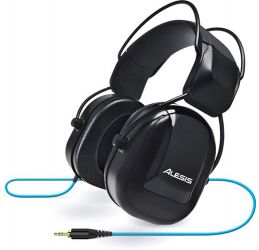
HiFi headphones

HiFi Headphones – Your Specialist for Event Technology: Professional HiFi headphones are essential tools for event technicians, DJs, sound engineers and musicians who demand uncompromising audio quality. Whether you're mixing a live concert, monitoring stage performances or producing studio recordings, the right headphones deliver the precision and reliability you need. At LTT, you'll find a carefully curated selection of premium HiFi headphones from leading manufacturers, designed specifically for demanding...
Read more »
HiFi headphones
Close window
HiFi headphones

HiFi Headphones – Your Specialist for Event Technology

Professional HiFi headphones are essential tools for event technicians, DJs, sound engineers and musicians who demand uncompromising audio quality. Whether you're mixing a live concert, monitoring stage performances or producing studio recordings, the right headphones deliver the precision and reliability you need. At LTT, you'll find a carefully curated selection of premium HiFi headphones from leading manufacturers, designed specifically for demanding professional applications in event technology, stage work and studio environments. Our range combines audiophile sound quality with the durability and comfort required for long working sessions at festivals, corporate events and touring productions.

What Are HiFi Headphones? Technical Fundamentals Explained

HiFi headphones – short for "High Fidelity" headphones – are designed to reproduce audio signals with maximum accuracy and minimal distortion across the entire frequency spectrum. Unlike consumer headphones that often emphasise bass or treble for popular music genres, professional HiFi models aim for neutral, transparent sound reproduction that reveals every detail of the source material.

Key technical characteristics that define HiFi headphones include extended frequency response (typically 10 Hz to 27,000 Hz or beyond), low total harmonic distortion (THD below 0.1% across the spectrum), precise stereo imaging, and controlled impedance matched to professional audio equipment. The driver technology – whether dynamic, planar magnetic or electrostatic – determines how electrical signals are converted into acoustic energy.

Dynamic drivers use a voice coil attached to a diaphragm suspended in a magnetic field, offering robust performance and efficient power handling. Planar magnetic drivers distribute the voice coil across the entire diaphragm surface as a thin conductive trace, resulting in lower mass, faster transient response and reduced distortion – ideal for critical monitoring applications. Electrostatic drivers employ an ultra-thin charged membrane between two perforated electrodes, delivering exceptional detail resolution but requiring dedicated amplification.

Compared to standard consumer headphones, professional HiFi models prioritise accuracy over flattery, revealing mix problems and recording flaws that coloured headphones might mask. This makes them indispensable for sound engineers who need to make critical EQ and balance decisions, but also valuable for DJs who must beatmatch precisely and musicians who require honest feedback during recording sessions.

Professional Applications: Stage, Studio and Live Events

HiFi headphones serve multiple critical roles in professional event technology and live production environments. DJ monitoring demands headphones with excellent isolation, powerful bass response and high sensitivity for cueing tracks in loud club environments – typically closed-back designs with impedances around 30–64 Ohm for compatibility with DJ mixers and controllers. The ability to swivel one ear cup for single-ear monitoring is essential for beatmatching.

Stage monitoring and live mixing applications require headphones that reveal every detail of the performance mix without fatigue during long shows. Sound engineers working front-of-house or monitor positions often prefer open or semi-open designs that provide natural spatial imaging and prevent the pressure build-up associated with sealed designs during extended wear. Models with impedances between 80–250 Ohm work well with professional mixing consoles and dedicated headphone amplifiers commonly found in touring racks.

Studio recording and production environments benefit from the most accurate HiFi headphones available – often open-back planar magnetic or high-impedance dynamic models (250–600 Ohm) that reveal subtle mix details, room acoustics and recording artefacts. These headphones help producers make confident decisions about EQ, compression and spatial effects without access to calibrated monitor speakers.

Broadcast and live streaming setups require closed-back headphones with excellent isolation to prevent microphone bleed while providing clear, detailed monitoring of programme audio and communication channels. Comfort becomes paramount during multi-hour broadcasts, making lightweight designs with memory foam cushions and adjustable headbands essential.

For rental companies and event agencies, durability and consistent performance across multiple units matter as much as sound quality. Professional HiFi headphones with replaceable cables, robust construction and readily available spare parts ensure reliable service across hundreds of events.

Open vs Closed vs Semi-Open Design: Choosing the Right Architecture

The acoustic architecture of HiFi headphones fundamentally shapes their sound character and suitability for different professional applications. Understanding these design philosophies helps you select the optimal tool for your specific event technology needs.

Open-back headphones feature perforated or grille-covered ear cups that allow air and sound to pass freely through the driver housing. This design delivers several acoustic advantages: a spacious, natural soundstage that closely resembles listening to speakers in a room; reduced internal resonances and pressure build-up; and typically smoother, more extended frequency response. The trade-off is significant sound leakage in both directions – you'll hear ambient noise, and people nearby will hear your audio. Open designs excel in quiet studio environments, critical listening sessions and situations where natural spatial imaging matters more than isolation. They're ideal for mixing, mastering and long analytical listening sessions where comfort and accuracy are paramount.

Closed-back headphones employ sealed ear cups that isolate the driver from external sound and contain the acoustic output. This architecture provides excellent passive noise isolation (20–30 dB typical), prevents audio bleed into nearby microphones, and typically delivers more powerful, controlled bass response due to the sealed acoustic chamber. However, closed designs can suffer from internal reflections that colour the midrange, may cause pressure discomfort during extended wear, and often present a more intimate, less spacious soundstage. They're essential for DJ work, live recording sessions, broadcast applications and any scenario requiring isolation from or prevention of sound leakage.

Semi-open (or semi-closed) headphones attempt to balance both approaches with partially vented ear cups that reduce internal pressure and resonances while maintaining moderate isolation. They offer a middle ground: better soundstage than fully closed designs with less leakage than fully open models. This compromise suits versatile applications where you need some isolation but also value natural tonality – common in project studios, rehearsal spaces and mobile recording rigs.

For professional event technology work, many technicians maintain both open and closed models: closed designs for active stage environments and DJ work, open designs for critical mixing and post-production tasks in controlled spaces.

Technical Specifications and Buying Criteria for Professional Use

Selecting professional HiFi headphones requires understanding key technical parameters and how they relate to your specific event technology applications and equipment.

Impedance and Amplification Requirements

Impedance (measured in Ohms) determines how much electrical resistance the headphones present to the source device and directly affects volume, damping and tonal balance. Low-impedance models (16–64 Ohm) work efficiently with portable devices, DJ mixers and battery-powered equipment, requiring less voltage to achieve high volume levels. They're ideal for mobile applications and equipment with limited output power. Medium-impedance headphones (80–150 Ohm) suit professional mixing consoles and audio interfaces with dedicated headphone outputs. High-impedance models (250–600 Ohm) demand dedicated headphone amplifiers but often deliver superior damping, tighter bass control and lower distortion when properly driven – preferred for critical studio monitoring.

Sensitivity and Efficiency

Sensitivity ratings (typically 94–104 dB SPL at 1 mW) indicate how loud the headphones play with a given power input. Higher sensitivity means louder output from the same amplifier, but doesn't necessarily indicate better sound quality. Professional models balance sensitivity with controlled dynamics and low distortion across the entire volume range.

Frequency Response and Extension

Professional HiFi headphones typically specify frequency response from 10 Hz to 27,000 Hz or beyond, though the flatness of that response matters more than raw extension. Look for models with ±3 dB deviation or better across the critical 20 Hz–20 kHz range for accurate monitoring. Extended sub-bass response (below 20 Hz) helps you evaluate low-frequency content in electronic music and film sound design.

Premium Brands and Models

Leading manufacturers in the professional HiFi headphone market include Sennheiser (HD 600, HD 650, HD 800 series for studio work; HD 25 for DJ applications), Beyerdynamic (DT 770 closed, DT 880 semi-open, DT 990 open across various impedances), Audio-Technica (ATH-M50x for tracking, ATH-R70x for mixing), AKG (K702, K712 Pro for spatial work), and Shure (SRH series for monitoring). Planar magnetic specialists like Hifiman and Fostex offer exceptional detail resolution for critical applications, typically at higher price points (€400–€1,500).

Comfort and Durability for Professional Use

Long event days and extended mixing sessions demand ergonomic design: memory foam or velour ear cushions, adjustable padded headbands, balanced weight distribution (300–400 grams typical) and replaceable wear parts. Professional models feature detachable cables with locking connectors, robust metal or reinforced plastic construction, and readily available spare cushions and headband padding. For touring and rental applications, consider models with fold-flat designs and included hard cases.

Balanced Cables and Professional Connectivity Solutions

Professional event technology environments often benefit from balanced cable connections and specialised connectivity options that consumer headphones don't provide.

Balanced headphone connections use separate conductors for the positive and negative signal of each channel, plus dedicated ground/shield conductors – typically implemented via 4-pin XLR connectors or dual 3-pin XLR outputs. When paired with balanced headphone amplifiers (common in professional studios and broadcast facilities), this configuration offers several advantages: improved common-mode noise rejection, potentially higher output power, better channel separation, and reduced crosstalk. The practical benefit in event environments is cleaner audio in electrically noisy settings with lighting dimmers, radio transmitters and power distribution systems.

Many professional HiFi headphones feature detachable cable systems with locking 2.5 mm, 3.5 mm or mini-XLR connectors at the ear cups. This allows you to swap between different cable lengths (1.2 m for mobile work, 3 m for studio use, 5 m for stage monitoring), replace damaged cables without replacing the entire headphone, and upgrade to balanced or higher-quality aftermarket cables. For touring applications, carrying spare cables prevents show-stopping failures.

Adapter compatibility matters in professional settings where you'll encounter various connector standards: 3.5 mm (1/8") mini-jack for consumer devices and some DJ equipment, 6.35 mm (1/4") jack for studio gear and mixing consoles, 4-pin XLR for balanced studio connections, and occasionally dual 3-pin XLR for high-end monitoring systems. Quality screw-on adapters maintain signal integrity better than friction-fit types that can introduce intermittent connections during active use.

For wireless monitoring applications in live events, some professional HiFi headphones integrate with RF or digital wireless systems via dedicated belt-pack receivers, though wired connections remain standard for critical applications where latency and interference must be eliminated. Bluetooth implementations in professional models increasingly support aptX HD or LDAC codecs for reduced latency and improved quality, useful for rehearsal monitoring and mobile production work where cable management is impractical.

LTT – Your Specialist for Event Technology

At LTT, we understand that professional HiFi headphones are precision tools that directly impact the quality of your productions, performances and events. Our selection focuses on proven models from leading manufacturers that deliver reliable performance in demanding professional environments – from festival stages to broadcast studios, from corporate events to touring productions.

With over 25 years of experience in event technology, we know which headphones withstand the rigours of professional use and which specifications actually matter in real-world applications. Our team can help you match headphone impedance to your existing equipment, recommend the optimal design (open, closed or semi-open) for your specific workflow, and advise on accessories like replacement cables, cushions and transport cases.

Every HiFi headphone purchase from LTT includes our 3-year warranty – significantly longer than standard manufacturer coverage – giving you confidence in your investment. We offer free shipping from €69 throughout Europe, with express delivery options available when you need equipment quickly for upcoming productions. For event companies, rental houses and system integrators requiring multiple units, our B2B wholesale pricing and dedicated account management ensure you get professional support for larger projects.

Shipping from our facility in Bocholt, Germany, we serve event technicians, sound engineers, DJs, musicians and production companies worldwide. Whether you're building a studio monitoring setup, equipping a broadcast facility or maintaining a rental inventory, LTT provides the professional audio solutions and expert support your work demands.

FAQ – Questions & Answers

What are HiFi headphones?

HiFi headphones (High Fidelity headphones) are professional audio devices designed to reproduce sound with maximum accuracy and minimal distortion across the entire frequency spectrum, typically 10 Hz to 27,000 Hz or beyond. Unlike consumer headphones that often colour the sound with enhanced bass or treble, HiFi models aim for neutral, transparent reproduction that reveals every detail of the source material. They employ advanced driver technologies – dynamic, planar magnetic or electrostatic – and feature low total harmonic distortion (below 0.1%), precise stereo imaging and controlled impedance matched to professional audio equipment. Professional HiFi headphones are essential tools for sound engineers, DJs, musicians and event technicians who require honest, uncoloured audio feedback for mixing, monitoring and critical listening applications in studios, on stage and at live events.

What's the difference between open and closed headphones?

Open headphones feature perforated or grille-covered ear cups that allow air and sound to pass freely, creating a spacious, natural soundstage similar to listening to speakers in a room, with reduced internal resonances and typically smoother frequency response. However, they leak sound significantly in both directions, making them unsuitable for isolation-critical applications. Closed headphones employ sealed ear cups that provide excellent passive noise isolation (20–30 dB typical), prevent audio bleed into nearby microphones, and deliver more powerful, controlled bass response due to the sealed acoustic chamber. The trade-off is potential internal reflections that colour midrange frequencies, possible pressure discomfort during extended wear, and a more intimate, less spacious soundstage. For professional event technology work, closed designs suit DJ monitoring, live recording and broadcast applications requiring isolation, while open models excel in quiet studio environments where natural spatial imaging and long-session comfort matter most.

Do I need a headphone amplifier for professional HiFi headphones?

Whether you need a dedicated headphone amplifier depends on your headphones' impedance and sensitivity, plus your source equipment's output capabilities. Low-impedance headphones (16–64 Ohm) typically work well with DJ mixers, audio interfaces and portable devices without additional amplification. Medium-impedance models (80–150 Ohm) perform adequately with professional mixing consoles and audio interfaces that include dedicated headphone outputs with sufficient power. High-impedance headphones (250–600 Ohm), common in studio reference models from Beyerdynamic and Sennheiser, absolutely require dedicated headphone amplifiers to achieve proper volume levels, optimal damping and controlled bass response. A quality headphone amplifier provides clean power, low output impedance for better driver control, and often includes balanced outputs for improved noise rejection in professional environments. For critical monitoring applications in studios, broadcast facilities and high-end event productions, dedicated amplification ensures your HiFi headphones perform at their full potential regardless of impedance.

Which HiFi headphones are best for DJ work and live events?

DJ and live event applications demand closed-back HiFi headphones with specific characteristics: excellent passive isolation to block stage noise and crowd sound, powerful bass response for accurate low-frequency monitoring, high sensitivity (98 dB SPL or higher) for loud output from DJ mixers, low-to-medium impedance (30–64 Ohm) for compatibility with portable equipment, swivelling ear cups for single-ear monitoring during beatmatching, and robust construction to withstand transport and active use. Popular professional choices include the Sennheiser HD 25 (70 Ohm, legendary durability, replaceable parts), Audio-Technica ATH-M50x (38 Ohm, powerful bass, fold-flat design), and Beyerdynamic DT 770 Pro (80 Ohm version, excellent isolation, comfortable for long sets). For touring DJs and rental companies, prioritise models with detachable cables, readily available spare cushions, and proven reliability across thousands of events. Avoid open or semi-open designs for DJ work, as sound leakage will compromise cueing accuracy and disturb nearby performers or broadcast microphones.

What does impedance mean and why does it matter?

Impedance, measured in Ohms (Ω), represents the electrical resistance HiFi headphones present to the source device, directly affecting volume output, tonal balance and damping characteristics. Low-impedance headphones (16–64 Ohm) require less voltage to achieve high volume levels, making them efficient with portable devices, smartphones, DJ mixers and battery-powered equipment – ideal for mobile event applications. Medium-impedance models (80–150 Ohm) suit professional mixing consoles and audio interfaces with dedicated headphone outputs providing moderate power. High-impedance headphones (250–600 Ohm) demand dedicated headphone amplifiers but often deliver superior driver damping, tighter bass control, lower distortion and better dynamic range when properly powered – preferred for critical studio monitoring and mastering applications. Mismatching impedance causes problems: driving high-impedance headphones from weak sources results in insufficient volume and loose, uncontrolled bass; connecting very low-impedance headphones to powerful amplifiers can cause distortion and potential driver damage. Always match headphone impedance to your source equipment's output specifications for optimal performance.

Why are professional HiFi headphones so expensive?

Professional HiFi headphones command higher prices due to advanced driver technologies, precision manufacturing, premium materials and extensive research and development costs. Planar magnetic drivers, for example, require ultra-thin diaphragms with precisely deposited conductive traces suspended between powerful neodymium magnet arrays – a complex, labour-intensive manufacturing process that delivers exceptional transient response and low distortion. High-end dynamic drivers employ lightweight voice coils, optimised magnetic circuits and carefully damped diaphragms to achieve extended frequency response and controlled resonances. Premium models use machined aluminium or magnesium housings (rather than plastic), genuine leather or memory foam cushions, detachable cables with high-purity copper conductors, and replaceable wear parts that extend product lifespan to decades rather than years. Extensive acoustic tuning, individual driver matching, and quality control testing add further costs. For professional event technicians and sound engineers, this investment delivers reliable performance across thousands of hours of critical use, accurate monitoring that prevents costly mix mistakes, and long-term value through durability and serviceability that consumer headphones cannot match.

Which headphones have the best sound quality for studio monitoring?

The "best" studio monitoring headphones depend on your specific applications, but professional consensus favours several proven models. For open-back reference monitoring, the Sennheiser HD 600 and HD 650 (300 Ohm) offer neutral, detailed sound with natural spatial imaging, while the flagship HD 800 S delivers exceptional resolution and soundstage width for critical mastering work. Beyerdynamic DT 990 Pro (250 Ohm, open) provides excellent detail and comfort for long mixing sessions. For closed-back tracking and isolation-critical work, Beyerdynamic DT 770 Pro (80 or 250 Ohm versions) and Audio-Technica ATH-M50x deliver accurate, powerful monitoring. Planar magnetic options like Hifiman Sundara or Fostex T60RP offer exceptional transient response and low distortion for demanding analytical listening, though they require adequate amplification. The optimal choice balances your monitoring needs (mixing vs tracking vs mastering), acoustic environment (treated studio vs project space), source equipment capabilities (headphone amplifier power), and budget. Many professional engineers maintain both open and closed models to suit different production tasks and working conditions.

How do I transport and protect professional HiFi headphones for touring and events?

Professional HiFi headphones represent significant investments that require proper protection during transport to touring events, festival productions and mobile recording sessions. Hard-shell carrying cases with custom foam inserts provide the best protection against impact, crushing and moisture – many premium headphone models include fitted cases, or you can specify custom foam cutouts in standard equipment cases. For touring rigs and rental inventories, consider integrating headphones into existing flight cases alongside audio interfaces and amplifiers, using padded dividers to prevent contact damage. Detachable cables should be coiled loosely (never wrapped tightly around the headband, which stresses connectors) and stored in separate pouches to prevent tangling and strain relief damage. For headphones with fold-flat designs, ensure the hinges are properly secured before packing. Avoid extreme temperatures: leaving headphones in cold vehicle storage can make plastic components brittle, while heat exposure can degrade adhesives in driver assemblies and cushion materials. For valuable planar magnetic or electrostatic models, maintain controlled humidity (40–60% RH) to prevent diaphragm degradation. Regular inspection of cables, connectors and cushions, plus carrying spare parts (replacement cables, ear pads), prevents show-stopping failures during critical productions.

Top seller
MONACOR MD-22 Stereo-Kopfhoerer
MONACOR MD-22 Stereo headphones
€4.96 *
incl. tax, plus shipping costs
Availability:
Delivery time: 1-3 days
MONACOR MD-260 Stereo-Kopfhoerer
MONACOR MD-260 Stereo headphones
€10.00 *
incl. tax, plus shipping costs
Availability:
Delivery time: 3-5 days
MONACOR SE-62 Stereo-Ohrhoerer
MONACOR SE-62 In-ear stereo earphones
€11.00 *
incl. tax, plus shipping costs
Availability:
Delivery time: 3-5 days
Vonyx VH100 Kopfhörer
Vonyx VH100 Headphone
€16.00 *
incl. tax, plus shipping costs
Availability:
Delivery time: 3-5 days
DAP-Audio HP-280 Pro Hifi Kopfhörer
DAP-Audio HP-280 Pro Semi-open studio headphones
€39.50 *
incl. tax, plus shipping costs
Availability:
Delivery time: 3-5 days
MONACOR MD-306 Stereo-Kopfhoerer
MONACOR MD-306 Stereo headphones
€19.00 *
incl. tax, plus shipping costs
Availability:
Delivery time: 3-5 days
IMG STAGE LINE MD-390 Stereo-Kopfhoerer
MONACOR MD-390 Stereo headphones
€19.00 *
incl. tax, plus shipping costs
Availability:
Delivery time: 3-5 days
13 Articles
Close filters
 
  •  
  •  
  •  
  •  
  •  
  •  
from to
No results were found for the filter!
MONACOR SE-20 Stereo-Ohrhoerer
MONACOR SE-20 Stereo earphones
Stereo earphones Ideal for guided tours, coaches, hospitals or hotels • Replaceable foam cushions • 3.5 mm stereo plug • Individually packed in a plastic bag • : Description:...
€1.69 *
incl. tax, plus shipping costs
Availability:
Delivery time: 3-5 days
MONACOR MD-260 Stereo-Kopfhoerer
MONACOR MD-260 Stereo headphones
Stereo headphones Comfortable and secure fit due to earband/neckband • Removable foam ear cushions • Single-sided cable inlet • 1.5 m connection cable with a 3.5 mm stereo plug...
€10.00 *
incl. tax, plus shipping costs
Availability:
Delivery time: 3-5 days
MONACOR MD-302 Stereo-Kopfhoerer
MONACOR MD-302 Stereo headphones
Stereo headphones Extra lightweight version • Turnable earpieces • 1.2 m cable with single-sided cable inlet and 3.5 mm plug • : Description: headphones • Transmission method:...
€14.00 *
incl. tax, plus shipping costs
Availability:
Delivery time: 3-5 days
DAP-Audio HP-280 Pro Hifi Kopfhörer
DAP-Audio HP-280 Pro Semi-open studio headphones
Semi-open headphones • Natural & Deep sound • Extended frequency response in the low and high ranges • Self-adjusting headband • Comfortable fit • The DAP HP-280 Pro...
€39.50 *
incl. tax, plus shipping costs
Availability:
Delivery time: 3-5 days
MONACOR MD-306 Stereo-Kopfhoerer
MONACOR MD-306 Stereo headphones
Stereo headphones Extra lightweight version • Turnable earpieces • Padded ear cushions • 1.2 m cable with single-sided cable inlet and 3.5 mm plug • : Description: headphones...
€19.00 *
incl. tax, plus shipping costs
Availability:
Delivery time: 3-5 days
IMG STAGE LINE MD-390 Stereo-Kopfhoerer
MONACOR MD-390 Stereo headphones
Stereo headphones For general applications • Closed system • Padded ear cushions and headband • 1.5 m cable with single-sided cable inlet • Gold-plated 3.5 mm plug with 6.3 mm...
€19.00 *
incl. tax, plus shipping costs
Availability:
Delivery time: 3-5 days
MONACOR SE-62 Stereo-Ohrhoerer
MONACOR SE-62 In-ear stereo earphones
In-ear stereo earphones Well-balanced and clear sound with a full bass reproduction • Supplied with 2 pairs of sleeves in different shapes • Storage bag • Gold-plated 3.5 mm stereo...
€11.00 *
incl. tax, plus shipping costs
Availability:
Delivery time: 3-5 days
JTS HPM-535 Stereo-Kopfhörer
JTS HPM-535 Professional stereo headphones with electret boom microphone
Professional stereo headphones with electret boom microphone Excellent sound characteristics, comfortable to wear • Semi-open system, over-ear • Compatible with sound cards • Ideally...
€110.92 *
incl. tax, free shipping to Germany
[International shipping costs]
Availability:
Delivery time: 3-5 days
LD Systems IE HP 2
LD Systems IE HP 2 - Professional In-Ear Headphones
Professional In-Ear Headphones Ideal shape and low weight • Optimised in-ear design for maximum shielding • Dynamic driver for a clear sound with deep bass frequencies (20-18,000 Hz)...
€117.80 *
incl. tax, free shipping to Germany
[International shipping costs]
Availability:
Near-term available
Delivery time: approx. 1 week
MONACOR MD-22 Stereo-Kopfhoerer
MONACOR MD-22 Stereo headphones
Stereo headphones Ideally suited for guided tours, coaches, hospitals or hotels • 1.5 m cable with 3.5 mm stereo plug • Individually packed in a plastic bag • : Description:...
€4.96 *
incl. tax, plus shipping costs
Availability:
Delivery time: 1-3 days
Vonyx VH100 Kopfhörer
Vonyx VH100 Headphone
The VH100 is a comfortable, simple headphone, excellent for use in studios and for monitoring purposes thanks to the wide frequency response. The efficient drivers deliver a lively sound from deep...
€16.00 *
incl. tax, plus shipping costs
Availability:
Delivery time: 3-5 days
Vonyx VH120 Kopfhörer
Vonyx VH120 Headphone
High-quality, sturdy stereo headphone specially designed for the novice and more experienced DJ. The VH120 offers a wide frequency range and an exceptional, clear sound. The earcups can be folded...
€11.00 *
incl. tax, plus shipping costs
Availability:
Delivery time: 3-5 days
MONACOR MD-39 Stereo-Kopfhoerer
MONACOR MD-39 Stereo headphones
Stereo headphones Well-balanced sound • Universal headphones • Extra lightweight version • 1.2 m cable with 3.5 mm stereo plug • : Description: headphones • Transmission...
€6.00 *
incl. tax, plus shipping costs
Availability:
Currently not available
Facts
HiFi Headphones – Your Specialist for Event Technology: Professional HiFi headphones are essential tools for event technicians, DJs, sound engineers and musicians who demand uncompromising audio quality. Whether you're mixing a live concert, monitoring stage performances or producing studio recordings, the right headphones deliver the precision and reliability you need. At LTT, you'll find a carefully curated selection of premium HiFi... Read more »
Viewed
Facts

HiFi Headphones – Your Specialist for Event Technology

Professional HiFi headphones are essential tools for event technicians, DJs, sound engineers and musicians who demand uncompromising audio quality. Whether you're mixing a live concert, monitoring stage performances or producing studio recordings, the right headphones deliver the precision and reliability you need. At LTT, you'll find a carefully curated selection of premium HiFi headphones from leading manufacturers, designed specifically for demanding professional applications in event technology, stage work and studio environments. Our range combines audiophile sound quality with the durability and comfort required for long working sessions at festivals, corporate events and touring productions.

What Are HiFi Headphones? Technical Fundamentals Explained

HiFi headphones – short for "High Fidelity" headphones – are designed to reproduce audio signals with maximum accuracy and minimal distortion across the entire frequency spectrum. Unlike consumer headphones that often emphasise bass or treble for popular music genres, professional HiFi models aim for neutral, transparent sound reproduction that reveals every detail of the source material.

Key technical characteristics that define HiFi headphones include extended frequency response (typically 10 Hz to 27,000 Hz or beyond), low total harmonic distortion (THD below 0.1% across the spectrum), precise stereo imaging, and controlled impedance matched to professional audio equipment. The driver technology – whether dynamic, planar magnetic or electrostatic – determines how electrical signals are converted into acoustic energy.

Dynamic drivers use a voice coil attached to a diaphragm suspended in a magnetic field, offering robust performance and efficient power handling. Planar magnetic drivers distribute the voice coil across the entire diaphragm surface as a thin conductive trace, resulting in lower mass, faster transient response and reduced distortion – ideal for critical monitoring applications. Electrostatic drivers employ an ultra-thin charged membrane between two perforated electrodes, delivering exceptional detail resolution but requiring dedicated amplification.

Compared to standard consumer headphones, professional HiFi models prioritise accuracy over flattery, revealing mix problems and recording flaws that coloured headphones might mask. This makes them indispensable for sound engineers who need to make critical EQ and balance decisions, but also valuable for DJs who must beatmatch precisely and musicians who require honest feedback during recording sessions.

Professional Applications: Stage, Studio and Live Events

HiFi headphones serve multiple critical roles in professional event technology and live production environments. DJ monitoring demands headphones with excellent isolation, powerful bass response and high sensitivity for cueing tracks in loud club environments – typically closed-back designs with impedances around 30–64 Ohm for compatibility with DJ mixers and controllers. The ability to swivel one ear cup for single-ear monitoring is essential for beatmatching.

Stage monitoring and live mixing applications require headphones that reveal every detail of the performance mix without fatigue during long shows. Sound engineers working front-of-house or monitor positions often prefer open or semi-open designs that provide natural spatial imaging and prevent the pressure build-up associated with sealed designs during extended wear. Models with impedances between 80–250 Ohm work well with professional mixing consoles and dedicated headphone amplifiers commonly found in touring racks.

Studio recording and production environments benefit from the most accurate HiFi headphones available – often open-back planar magnetic or high-impedance dynamic models (250–600 Ohm) that reveal subtle mix details, room acoustics and recording artefacts. These headphones help producers make confident decisions about EQ, compression and spatial effects without access to calibrated monitor speakers.

Broadcast and live streaming setups require closed-back headphones with excellent isolation to prevent microphone bleed while providing clear, detailed monitoring of programme audio and communication channels. Comfort becomes paramount during multi-hour broadcasts, making lightweight designs with memory foam cushions and adjustable headbands essential.

For rental companies and event agencies, durability and consistent performance across multiple units matter as much as sound quality. Professional HiFi headphones with replaceable cables, robust construction and readily available spare parts ensure reliable service across hundreds of events.

Open vs Closed vs Semi-Open Design: Choosing the Right Architecture

The acoustic architecture of HiFi headphones fundamentally shapes their sound character and suitability for different professional applications. Understanding these design philosophies helps you select the optimal tool for your specific event technology needs.

Open-back headphones feature perforated or grille-covered ear cups that allow air and sound to pass freely through the driver housing. This design delivers several acoustic advantages: a spacious, natural soundstage that closely resembles listening to speakers in a room; reduced internal resonances and pressure build-up; and typically smoother, more extended frequency response. The trade-off is significant sound leakage in both directions – you'll hear ambient noise, and people nearby will hear your audio. Open designs excel in quiet studio environments, critical listening sessions and situations where natural spatial imaging matters more than isolation. They're ideal for mixing, mastering and long analytical listening sessions where comfort and accuracy are paramount.

Closed-back headphones employ sealed ear cups that isolate the driver from external sound and contain the acoustic output. This architecture provides excellent passive noise isolation (20–30 dB typical), prevents audio bleed into nearby microphones, and typically delivers more powerful, controlled bass response due to the sealed acoustic chamber. However, closed designs can suffer from internal reflections that colour the midrange, may cause pressure discomfort during extended wear, and often present a more intimate, less spacious soundstage. They're essential for DJ work, live recording sessions, broadcast applications and any scenario requiring isolation from or prevention of sound leakage.

Semi-open (or semi-closed) headphones attempt to balance both approaches with partially vented ear cups that reduce internal pressure and resonances while maintaining moderate isolation. They offer a middle ground: better soundstage than fully closed designs with less leakage than fully open models. This compromise suits versatile applications where you need some isolation but also value natural tonality – common in project studios, rehearsal spaces and mobile recording rigs.

For professional event technology work, many technicians maintain both open and closed models: closed designs for active stage environments and DJ work, open designs for critical mixing and post-production tasks in controlled spaces.

Technical Specifications and Buying Criteria for Professional Use

Selecting professional HiFi headphones requires understanding key technical parameters and how they relate to your specific event technology applications and equipment.

Impedance and Amplification Requirements

Impedance (measured in Ohms) determines how much electrical resistance the headphones present to the source device and directly affects volume, damping and tonal balance. Low-impedance models (16–64 Ohm) work efficiently with portable devices, DJ mixers and battery-powered equipment, requiring less voltage to achieve high volume levels. They're ideal for mobile applications and equipment with limited output power. Medium-impedance headphones (80–150 Ohm) suit professional mixing consoles and audio interfaces with dedicated headphone outputs. High-impedance models (250–600 Ohm) demand dedicated headphone amplifiers but often deliver superior damping, tighter bass control and lower distortion when properly driven – preferred for critical studio monitoring.

Sensitivity and Efficiency

Sensitivity ratings (typically 94–104 dB SPL at 1 mW) indicate how loud the headphones play with a given power input. Higher sensitivity means louder output from the same amplifier, but doesn't necessarily indicate better sound quality. Professional models balance sensitivity with controlled dynamics and low distortion across the entire volume range.

Frequency Response and Extension

Professional HiFi headphones typically specify frequency response from 10 Hz to 27,000 Hz or beyond, though the flatness of that response matters more than raw extension. Look for models with ±3 dB deviation or better across the critical 20 Hz–20 kHz range for accurate monitoring. Extended sub-bass response (below 20 Hz) helps you evaluate low-frequency content in electronic music and film sound design.

Premium Brands and Models

Leading manufacturers in the professional HiFi headphone market include Sennheiser (HD 600, HD 650, HD 800 series for studio work; HD 25 for DJ applications), Beyerdynamic (DT 770 closed, DT 880 semi-open, DT 990 open across various impedances), Audio-Technica (ATH-M50x for tracking, ATH-R70x for mixing), AKG (K702, K712 Pro for spatial work), and Shure (SRH series for monitoring). Planar magnetic specialists like Hifiman and Fostex offer exceptional detail resolution for critical applications, typically at higher price points (€400–€1,500).

Comfort and Durability for Professional Use

Long event days and extended mixing sessions demand ergonomic design: memory foam or velour ear cushions, adjustable padded headbands, balanced weight distribution (300–400 grams typical) and replaceable wear parts. Professional models feature detachable cables with locking connectors, robust metal or reinforced plastic construction, and readily available spare cushions and headband padding. For touring and rental applications, consider models with fold-flat designs and included hard cases.

Balanced Cables and Professional Connectivity Solutions

Professional event technology environments often benefit from balanced cable connections and specialised connectivity options that consumer headphones don't provide.

Balanced headphone connections use separate conductors for the positive and negative signal of each channel, plus dedicated ground/shield conductors – typically implemented via 4-pin XLR connectors or dual 3-pin XLR outputs. When paired with balanced headphone amplifiers (common in professional studios and broadcast facilities), this configuration offers several advantages: improved common-mode noise rejection, potentially higher output power, better channel separation, and reduced crosstalk. The practical benefit in event environments is cleaner audio in electrically noisy settings with lighting dimmers, radio transmitters and power distribution systems.

Many professional HiFi headphones feature detachable cable systems with locking 2.5 mm, 3.5 mm or mini-XLR connectors at the ear cups. This allows you to swap between different cable lengths (1.2 m for mobile work, 3 m for studio use, 5 m for stage monitoring), replace damaged cables without replacing the entire headphone, and upgrade to balanced or higher-quality aftermarket cables. For touring applications, carrying spare cables prevents show-stopping failures.

Adapter compatibility matters in professional settings where you'll encounter various connector standards: 3.5 mm (1/8") mini-jack for consumer devices and some DJ equipment, 6.35 mm (1/4") jack for studio gear and mixing consoles, 4-pin XLR for balanced studio connections, and occasionally dual 3-pin XLR for high-end monitoring systems. Quality screw-on adapters maintain signal integrity better than friction-fit types that can introduce intermittent connections during active use.

For wireless monitoring applications in live events, some professional HiFi headphones integrate with RF or digital wireless systems via dedicated belt-pack receivers, though wired connections remain standard for critical applications where latency and interference must be eliminated. Bluetooth implementations in professional models increasingly support aptX HD or LDAC codecs for reduced latency and improved quality, useful for rehearsal monitoring and mobile production work where cable management is impractical.

LTT – Your Specialist for Event Technology

At LTT, we understand that professional HiFi headphones are precision tools that directly impact the quality of your productions, performances and events. Our selection focuses on proven models from leading manufacturers that deliver reliable performance in demanding professional environments – from festival stages to broadcast studios, from corporate events to touring productions.

With over 25 years of experience in event technology, we know which headphones withstand the rigours of professional use and which specifications actually matter in real-world applications. Our team can help you match headphone impedance to your existing equipment, recommend the optimal design (open, closed or semi-open) for your specific workflow, and advise on accessories like replacement cables, cushions and transport cases.

Every HiFi headphone purchase from LTT includes our 3-year warranty – significantly longer than standard manufacturer coverage – giving you confidence in your investment. We offer free shipping from €69 throughout Europe, with express delivery options available when you need equipment quickly for upcoming productions. For event companies, rental houses and system integrators requiring multiple units, our B2B wholesale pricing and dedicated account management ensure you get professional support for larger projects.

Shipping from our facility in Bocholt, Germany, we serve event technicians, sound engineers, DJs, musicians and production companies worldwide. Whether you're building a studio monitoring setup, equipping a broadcast facility or maintaining a rental inventory, LTT provides the professional audio solutions and expert support your work demands.

FAQ – Questions & Answers

What are HiFi headphones?

HiFi headphones (High Fidelity headphones) are professional audio devices designed to reproduce sound with maximum accuracy and minimal distortion across the entire frequency spectrum, typically 10 Hz to 27,000 Hz or beyond. Unlike consumer headphones that often colour the sound with enhanced bass or treble, HiFi models aim for neutral, transparent reproduction that reveals every detail of the source material. They employ advanced driver technologies – dynamic, planar magnetic or electrostatic – and feature low total harmonic distortion (below 0.1%), precise stereo imaging and controlled impedance matched to professional audio equipment. Professional HiFi headphones are essential tools for sound engineers, DJs, musicians and event technicians who require honest, uncoloured audio feedback for mixing, monitoring and critical listening applications in studios, on stage and at live events.

What's the difference between open and closed headphones?

Open headphones feature perforated or grille-covered ear cups that allow air and sound to pass freely, creating a spacious, natural soundstage similar to listening to speakers in a room, with reduced internal resonances and typically smoother frequency response. However, they leak sound significantly in both directions, making them unsuitable for isolation-critical applications. Closed headphones employ sealed ear cups that provide excellent passive noise isolation (20–30 dB typical), prevent audio bleed into nearby microphones, and deliver more powerful, controlled bass response due to the sealed acoustic chamber. The trade-off is potential internal reflections that colour midrange frequencies, possible pressure discomfort during extended wear, and a more intimate, less spacious soundstage. For professional event technology work, closed designs suit DJ monitoring, live recording and broadcast applications requiring isolation, while open models excel in quiet studio environments where natural spatial imaging and long-session comfort matter most.

Do I need a headphone amplifier for professional HiFi headphones?

Whether you need a dedicated headphone amplifier depends on your headphones' impedance and sensitivity, plus your source equipment's output capabilities. Low-impedance headphones (16–64 Ohm) typically work well with DJ mixers, audio interfaces and portable devices without additional amplification. Medium-impedance models (80–150 Ohm) perform adequately with professional mixing consoles and audio interfaces that include dedicated headphone outputs with sufficient power. High-impedance headphones (250–600 Ohm), common in studio reference models from Beyerdynamic and Sennheiser, absolutely require dedicated headphone amplifiers to achieve proper volume levels, optimal damping and controlled bass response. A quality headphone amplifier provides clean power, low output impedance for better driver control, and often includes balanced outputs for improved noise rejection in professional environments. For critical monitoring applications in studios, broadcast facilities and high-end event productions, dedicated amplification ensures your HiFi headphones perform at their full potential regardless of impedance.

Which HiFi headphones are best for DJ work and live events?

DJ and live event applications demand closed-back HiFi headphones with specific characteristics: excellent passive isolation to block stage noise and crowd sound, powerful bass response for accurate low-frequency monitoring, high sensitivity (98 dB SPL or higher) for loud output from DJ mixers, low-to-medium impedance (30–64 Ohm) for compatibility with portable equipment, swivelling ear cups for single-ear monitoring during beatmatching, and robust construction to withstand transport and active use. Popular professional choices include the Sennheiser HD 25 (70 Ohm, legendary durability, replaceable parts), Audio-Technica ATH-M50x (38 Ohm, powerful bass, fold-flat design), and Beyerdynamic DT 770 Pro (80 Ohm version, excellent isolation, comfortable for long sets). For touring DJs and rental companies, prioritise models with detachable cables, readily available spare cushions, and proven reliability across thousands of events. Avoid open or semi-open designs for DJ work, as sound leakage will compromise cueing accuracy and disturb nearby performers or broadcast microphones.

What does impedance mean and why does it matter?

Impedance, measured in Ohms (Ω), represents the electrical resistance HiFi headphones present to the source device, directly affecting volume output, tonal balance and damping characteristics. Low-impedance headphones (16–64 Ohm) require less voltage to achieve high volume levels, making them efficient with portable devices, smartphones, DJ mixers and battery-powered equipment – ideal for mobile event applications. Medium-impedance models (80–150 Ohm) suit professional mixing consoles and audio interfaces with dedicated headphone outputs providing moderate power. High-impedance headphones (250–600 Ohm) demand dedicated headphone amplifiers but often deliver superior driver damping, tighter bass control, lower distortion and better dynamic range when properly powered – preferred for critical studio monitoring and mastering applications. Mismatching impedance causes problems: driving high-impedance headphones from weak sources results in insufficient volume and loose, uncontrolled bass; connecting very low-impedance headphones to powerful amplifiers can cause distortion and potential driver damage. Always match headphone impedance to your source equipment's output specifications for optimal performance.

Why are professional HiFi headphones so expensive?

Professional HiFi headphones command higher prices due to advanced driver technologies, precision manufacturing, premium materials and extensive research and development costs. Planar magnetic drivers, for example, require ultra-thin diaphragms with precisely deposited conductive traces suspended between powerful neodymium magnet arrays – a complex, labour-intensive manufacturing process that delivers exceptional transient response and low distortion. High-end dynamic drivers employ lightweight voice coils, optimised magnetic circuits and carefully damped diaphragms to achieve extended frequency response and controlled resonances. Premium models use machined aluminium or magnesium housings (rather than plastic), genuine leather or memory foam cushions, detachable cables with high-purity copper conductors, and replaceable wear parts that extend product lifespan to decades rather than years. Extensive acoustic tuning, individual driver matching, and quality control testing add further costs. For professional event technicians and sound engineers, this investment delivers reliable performance across thousands of hours of critical use, accurate monitoring that prevents costly mix mistakes, and long-term value through durability and serviceability that consumer headphones cannot match.

Which headphones have the best sound quality for studio monitoring?

The "best" studio monitoring headphones depend on your specific applications, but professional consensus favours several proven models. For open-back reference monitoring, the Sennheiser HD 600 and HD 650 (300 Ohm) offer neutral, detailed sound with natural spatial imaging, while the flagship HD 800 S delivers exceptional resolution and soundstage width for critical mastering work. Beyerdynamic DT 990 Pro (250 Ohm, open) provides excellent detail and comfort for long mixing sessions. For closed-back tracking and isolation-critical work, Beyerdynamic DT 770 Pro (80 or 250 Ohm versions) and Audio-Technica ATH-M50x deliver accurate, powerful monitoring. Planar magnetic options like Hifiman Sundara or Fostex T60RP offer exceptional transient response and low distortion for demanding analytical listening, though they require adequate amplification. The optimal choice balances your monitoring needs (mixing vs tracking vs mastering), acoustic environment (treated studio vs project space), source equipment capabilities (headphone amplifier power), and budget. Many professional engineers maintain both open and closed models to suit different production tasks and working conditions.

How do I transport and protect professional HiFi headphones for touring and events?

Professional HiFi headphones represent significant investments that require proper protection during transport to touring events, festival productions and mobile recording sessions. Hard-shell carrying cases with custom foam inserts provide the best protection against impact, crushing and moisture – many premium headphone models include fitted cases, or you can specify custom foam cutouts in standard equipment cases. For touring rigs and rental inventories, consider integrating headphones into existing flight cases alongside audio interfaces and amplifiers, using padded dividers to prevent contact damage. Detachable cables should be coiled loosely (never wrapped tightly around the headband, which stresses connectors) and stored in separate pouches to prevent tangling and strain relief damage. For headphones with fold-flat designs, ensure the hinges are properly secured before packing. Avoid extreme temperatures: leaving headphones in cold vehicle storage can make plastic components brittle, while heat exposure can degrade adhesives in driver assemblies and cushion materials. For valuable planar magnetic or electrostatic models, maintain controlled humidity (40–60% RH) to prevent diaphragm degradation. Regular inspection of cables, connectors and cushions, plus carrying spare parts (replacement cables, ear pads), prevents show-stopping failures during critical productions.