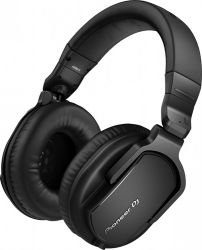
Studio headphones

Studio Headphones from the Event-Tech Specialist – Your Reference for Honest Sound: Whether you are tracking vocals, finalising a master or cueing the next track behind the decks, studio headphones are the tool that lets you trust every decision. At LTT you find precise monitoring headphones for recording booths, mixing rooms, DJ booths and stage monitoring — built for professional use. As your specialist for event technology, we focus on rugged, neutral-sounding models that survive the daily grind of...
Read more »
Studio headphones
Close window
Studio headphones

Studio Headphones from the Event-Tech Specialist – Your Reference for Honest Sound

Whether you are tracking vocals, finalising a master or cueing the next track behind the decks, studio headphones are the tool that lets you trust every decision. At LTT you find precise monitoring headphones for recording booths, mixing rooms, DJ booths and stage monitoring — built for professional use.

As your specialist for event technology, we focus on rugged, neutral-sounding models that survive the daily grind of clubs, theatres and rental fleets. From budget workhorses to high-end reference cans, you get hand-picked quality brand products instead of a confusing flood of look-alikes.

Pick the right pair below and achieve impressive results — from the first take to the final mixdown.

What Is a Studio Headphone? Fundamentals and the Difference from Hi-Fi

A studio headphone is a monitoring tool designed to reproduce audio as accurately and neutrally as possible. Unlike consumer or hi-fi headphones, it does not flatter the sound with boosted bass or sparkling highs. Instead, it shows you the recording exactly as it is — flaws included — so you can make reliable mixing, recording and mastering decisions.

Studio versus hi-fi: the core difference

Hi-fi headphones are tuned for listening pleasure. They colour the sound to make music feel more exciting on the couch or on the train. A studio headphone aims for the opposite goal: a flat, linear frequency response that does not hide problems in your tracks. If your mix sounds good on neutral studio headphones, it will translate well to other systems too.

Why neutrality matters

Reference-grade neutrality means a coloured bass or hyped treble will not trick you into wrong EQ choices. A typical frequency range spans roughly 10 Hz to 20 kHz, with high-end open-back models reaching far beyond 20 kHz. Studio models also tend to use robust, replaceable parts and detachable cables, because they are built for years of daily use rather than occasional listening.

Who uses them

Producers, audio engineers, musicians, broadcasters, podcasters, DJs and front-of-house technicians all rely on studio headphones. In the event world, they double as a dependable monitoring reference at the mixing console and on stage.

Open vs. Closed-Back: Choosing the Right Type by Application

The most important construction decision for any studio headphone is open-back versus closed-back. Each design serves a different purpose, and the right type depends entirely on how and where you work.

Closed-back studio headphones

Closed-back models seal the ear cup, isolating the monitoring signal from the outside world. This sound isolation is essential during recording and tracking: it prevents the playback (click track, backing track, your own instrument) from bleeding into open microphones. Closed-back headphones are the standard for vocal and instrument recording, DJ use and noisy stage environments. The trade-off is that your ears may tire faster during very long sessions.

Open-back studio headphones

Open-back models let air and sound pass through the ear cup. The result is a more natural, spacious and detailed soundstage that reduces the sensation of in-head localisation. This makes open-back headphones the preferred choice for mixing and mastering, where an accurate, airy reproduction supports critical listening. The downside: they leak sound in both directions and offer no isolation, so they are unsuitable for recording near live microphones.

Semi-open as a third option

Semi-open designs sit between the two worlds. They offer a wider soundstage than fully closed models while providing more isolation than fully open ones — a useful compromise for project studios and home setups where one pair must handle several tasks.

For recording and monitoring, reach for closed-back. For mixing and mastering, open-back wins. Many professionals own both.

Technical Buying Criteria: Impedance, Frequency Response and Connectors Explained

Beyond the open-versus-closed question, a handful of technical specifications decide whether a studio headphone fits your workflow.

Impedance and ohm guidance

Impedance, measured in ohm, tells you how much power a headphone needs. Many reference models such as the beyerdynamic DT 770 PRO and DT 990 PRO come in 80 ohm and 250 ohm versions. As a rule of thumb: higher impedance (250 ohm) delivers more detail and control when driven by a good headphone amplifier or audio interface. Lower impedance (32 to 80 ohm) plays louder straight from a phone, laptop or portable player without an external amp. Choose the value to match your source.

Frequency response and neutrality

For accurate mixing decisions you want a neutral, flat frequency response. Typical ranges run from 10 Hz to 20 kHz, while high-end open-back models can reach 5 Hz to 80 kHz. Avoid heavily coloured bass for any reference work — it will mislead your EQ and level choices.

Connectors and adapters for stage and studio

The related question of how to connect studio headphones is often overlooked. Most studio models use a 3.5mm mini jack with a screw-on 6.35mm jack adapter for interfaces and mixing consoles. Many pro headphones feature a detachable, single-sided cable — straight or coiled — which is easy to replace if damaged. For stage and DJ use, a coiled cable gives freedom of movement; for the mixing desk a straight cable keeps things tidy. If you need adapters, jack cables or replacement leads, our cable and adapter range has you covered.

Applications and Use: Recording, Mixing, DJ and Stage Monitoring

Studio headphones are far more than a recording-booth accessory. As an event-technology specialist, we see them used across the entire signal chain — from the studio to the stage.

Recording and monitoring

During recording and tracking, closed-back headphones isolate the monitoring signal so the playback never spills into the microphone. Singers, guitarists and drummers rely on tight isolation and a clear, dynamic sound to deliver a focused performance.

Mixing and mastering

For mixing and mastering you want a neutral open-back headphone with a natural stereo image. The wider soundstage and fine detail resolution help you place instruments, judge reverb tails and make precise EQ decisions without ear fatigue.

DJ headphones for club and live use

DJ headphones must be loud, robust and optimised for live use. They need to cut through high stage volume so you can beatmatch and cue reliably, and they often offer swivelling ear cups for single-ear monitoring. Take a look at our dedicated DJ headphone selection if cueing in the booth is your priority.

Live event and stage monitoring

This is where LTT differs from pure studio retailers. Front-of-house engineers use closed-back studio headphones to check feeds, monitor mixes and identify problems in loud venues. Monitor engineers rely on them to verify wedge and in-ear sends. For touring and rental work, durable closed-back models with replaceable parts are the smart investment — pair them with our microphones and PA systems for a complete monitoring setup.

Comparison: Closed-Back vs. Open-Back vs. DJ Studio Headphones

To make the choice easier, here is a direct comparison of the three most relevant studio headphone types for studio, club and event applications.

Criterion Closed-Back Open-Back DJ Headphone
Best use case Recording, tracking, stage monitoring Mixing, mastering, critical listening Cueing, beatmatching, live DJ sets
Sound isolation High — minimal mic bleed Low — sound leaks both ways Medium to high, optimised for loud booths
Sound character Direct, focused, controlled Natural, spacious, airy Loud, punchy, bass-forward
Typical impedance 32–250 ohm 80–600 ohm 32–64 ohm
Typical price ~85–479 € ~139–1,249 € ~50–300 €
Wearing comfort over long sessions Good, can warm the ears Excellent, low fatigue Good, often foldable for transport
Key advantage Blocks bleed during recording Honest reference for mixdown Cuts through high stage volume

In short: closed-back for tracking and stage, open-back for the mixdown, and a dedicated DJ headphone for the booth. If your budget allows only one pair, a versatile closed-back model is the safest all-rounder for event and studio work alike.

Top Brands and Manufacturers by Budget

Studio headphones span every price bracket, from affordable entry points to handcrafted high-end reference cans. The market is shaped by a small group of established manufacturers known for honest sound and long-term reliability.

Brands and manufacturers worth knowing

At LTT you find quality brand products from manufacturers such as AKG, JTS, MONACOR / IMG Stageline and Omnitronic, alongside other respected names in the pro-audio world. These makers are valued for neutral tuning, rugged construction and excellent availability of spare parts — exactly what professionals and rental companies need.

Budget tier — under 50 €

For first steps in a home or project studio, the entry tier offers usable, neutral monitoring on a tight budget. Lightweight closed-back models around 200 grams with replaceable ear pads are ideal for beginners who want honest sound without overspending.

Mid tier — roughly 85 to 200 €

This is the sweet spot for most engineers. Classics in this range include the Sennheiser HD 280 Pro (~85 €), the beyerdynamic DT 770 PRO (~149 €) and the Audio-Technica ATH-M50X (~179 €), with the Sony MDR-7506 a long-standing broadcast favourite. They combine reference sound, comfort and durability.

Pro and high-end tier — 300 € to over 1,000 €

For mastering and the most demanding reference work, models like the Neumann NDH 20 (~479 €) and open-back high-end cans above 1,000 € set the standard. Several reference models are still made in Germany and handcrafted, with multiply-measured driver systems and full repair service — a sustainable, long-term investment for any professional environment.

Buying Guide: Beginners, Professionals and B2B for Venues

Choosing the right studio headphone comes down to your role, your workflow and your source equipment. This buying guide helps you decide quickly.

Buying guide for beginners

If you are starting out in a home or project studio, prioritise a versatile closed-back model in the entry or mid tier. Look for a flat frequency response, comfortable padded ear cups for long sessions, and a low-to-medium impedance (32–80 ohm) so the headphone runs loud enough from your interface or laptop. Replaceable cables and ear pads extend the lifespan considerably.

Buying guide for professionals in event tech

Producers, audio engineers and FOH technicians often need two pairs: a neutral open-back for mixing and a robust closed-back for recording and stage monitoring. For touring and live work, durability, replaceable parts and a detachable cable matter as much as raw sound quality. Match higher-impedance models (250 ohm) to a proper headphone amplifier for maximum detail.

B2B and bulk purchasing for venues, theatres and rental companies

Clubs, theatres, broadcasters and rental businesses rarely buy a single pair. As a reliable partner, LTT offers wholesale conditions and multi-unit purchasing for fleet and rental stock. Standardising on one or two rugged closed-back models keeps maintenance simple and spare-parts handling efficient across your whole inventory. Get in touch for tailored B2B pricing on larger quantities.

Care, Maintenance and Accessories for Studio Headphones

Studio headphones are a long-term investment, and the right care plus the right accessories keep them performing for years.

Care and maintenance

Wipe down the headband and ear cups with a slightly damp cloth and avoid aggressive cleaners that attack the padding. Store headphones away from heat and direct sunlight, and never wind a cable too tightly around the cups — strain on the connector is the most common cause of failure. Ear pads compress and wear over time; replacing them restores both comfort and the original sound. Many pro models are designed for exactly this kind of part-by-part servicing.

Accessories for studio and stage

The right accessories make daily use far smoother:

  • Replacement cables — straight, coiled and detachable single-sided leads
  • 6.35mm jack adapters to connect to interfaces and mixing consoles
  • Spare ear pads and headband cushions for longer life
  • Headphone amplifiers to drive high-impedance models properly
  • Protective cases for safe transport in touring and rental scenarios

For cables, adapters and connectors, browse our dedicated cable and connector range — keeping spares in stock means a worn lead never takes a headphone out of service.

LTT – Your Specialist for Event Technology

At LTT you do not just buy a studio headphone — you gain a reliable partner with more than 25 years of experience in professional event technology. From recording-booth references to rugged stage-monitoring cans, we help you find the optimal solution for your setup, whether you run a home studio, a touring rig or a rental fleet.

You benefit from our 3-year LTT warranty, fast dispatch from Bocholt in Germany and free shipping from €69 — with express delivery and worldwide shipping available. Resellers and venues enjoy dedicated wholesale conditions for larger orders.

Looking to complete your setup? Combine your new studio headphones with our microphones for recording and our PA and monitoring systems for the stage. With hand-picked quality brand products and expert support, you are ready to achieve impressive results in the studio and on stage alike.

FAQ – Questions & Answers

What is a studio headphone?

A studio headphone is a monitoring tool built to reproduce audio as neutrally and accurately as possible. Unlike consumer or hi-fi headphones, a studio headphone does not flatter the sound with boosted bass or hyped treble. Instead, it reveals your recording exactly as it is — flaws included — so you can make reliable decisions while recording, mixing and mastering. Studio headphones aim for a flat, linear frequency response and typically use robust, replaceable parts and detachable cables for years of professional daily use.

What are the best studio headphones?

The best studio headphones depend on your budget and application, but several models are widely regarded as references. In the mid tier, the beyerdynamic DT 770 PRO (~149 €), the Audio-Technica ATH-M50X (~179 €) and the Sennheiser HD 280 Pro (~85 €) are proven workhorses for recording and mixing. The Sony MDR-7506 remains a broadcast classic. For high-end mastering, the Neumann NDH 20 (~479 €) and open-back reference cans above 1,000 € set the standard. Closed-back models suit recording and stage use, open-back models suit mixing and mastering.

Which headphones do musicians use in the studio?

Musicians in the studio typically use closed-back headphones during recording and tracking. Closed-back studio headphones isolate the monitoring signal so the click track, backing track or their own instrument does not bleed into open microphones. Popular choices among musicians include the beyerdynamic DT 770 PRO, the Audio-Technica ATH-M50X and the Sennheiser HD 280 Pro. For mixing and mastering, the same musicians often switch to open-back models, which deliver a more natural, spacious sound. Comfort matters too, since recording sessions can last for hours.

What is the difference between studio and hi-fi headphones?

The difference between studio and hi-fi headphones lies in their tuning goal. Hi-fi headphones are voiced for listening pleasure, colouring the sound with extra bass or brighter highs to make music more exciting. Studio headphones aim for the opposite: a flat, neutral frequency response that shows your recording honestly, without hiding problems. This neutrality lets you make accurate EQ and level decisions while mixing. Studio headphones also tend to use rugged, serviceable parts and detachable cables, because they are designed for years of demanding professional work rather than casual listening.

Open or closed-back studio headphones – which should I choose?

Choose closed-back studio headphones for recording, tracking and stage monitoring, because their sealed ear cups provide sound isolation and prevent playback from bleeding into open microphones. Choose open-back studio headphones for mixing and mastering, where their natural, spacious soundstage and fine detail support accurate listening with less ear fatigue. Open-back models leak sound in both directions, so they are unsuitable near live microphones. Semi-open designs offer a compromise. Many professionals own both: a closed-back pair for capturing audio and an open-back pair for the final mixdown.

Which impedance should I pick for studio headphones?

Pick the impedance of your studio headphones to match your source equipment. Higher-impedance models, such as the 250 ohm version of the beyerdynamic DT 770 PRO, deliver more detail and control when driven by a quality headphone amplifier or audio interface. Lower-impedance models around 32 to 80 ohm play louder straight from a phone, laptop or portable player without an external amp. If you mainly work at a studio interface or mixing console, 80 to 250 ohm is ideal. If you connect to mobile sources, choose a low-impedance model.

How do I connect studio headphones to my interface or mixer?

Most studio headphones use a 3.5mm mini jack fitted with a screw-on 6.35mm jack adapter, which connects to audio interfaces and mixing consoles. Many professional models feature a detachable, single-sided cable that is easy to swap if it wears out — available as straight leads for the desk or coiled leads for DJ and stage use. If you drive a high-impedance studio headphone, route it through a proper headphone amplifier for full volume and detail. Keeping spare cables and adapters in stock means a damaged lead never takes a headphone out of service.

Are studio headphones suitable for DJ and stage monitoring?

Yes, but the right type depends on the job. DJ headphones must be loud, robust and optimised for live use so you can cue and beatmatch over high stage volume, often with swivelling ear cups for single-ear monitoring. For front-of-house and monitor engineers, closed-back studio headphones are ideal for checking feeds and identifying problems in loud venues. Their isolation and serviceable parts make them dependable in touring and rental environments. As an event-technology specialist, LTT offers closed-back models built for both studio precision and the demands of the stage.

Top seller
AKG K182 - Live-Kopfhörer
AKG K182 Live-Headphones
€149.00 *
incl. tax, free shipping to Germany
[International shipping costs]
Availability:
Not in stock
Delivery time: approx. 2 weeks
AKG K52 - Kopfhörer für Home-Recording
AKG K52 - Headphones for Home-Recording
€39.90 * €35.00 *
incl. tax, plus shipping costs
Availability:
Low stock; Delivery time: 1-3 days
Delivery time: 1-3 days
AKG K-240 MK II Professioneller Studio-Kopfhörer
AKG K-240 MK II
€89.00 *
incl. tax, free shipping to Germany
[International shipping costs]
Availability:
Low stock; Delivery time: 1-3 days
Delivery time: 1-3 days
DAP HP-290 Pro Professionelle Studio Kopfhörer
DAP-Audio HP-290 Pro Closed studio headphones
€36.90 *
incl. tax, plus shipping costs
Availability:
Delivery time: 3-5 days
AKG K92 - Kopfhörer für Home-Recording
AKG K92 - Headphones for Home-Recording
€60.53 *
incl. tax, plus shipping costs
Availability:
Delivery time: 3-5 days
AKG K-271 MKII Studiokopfhörer
AKG K-271 MKII Professional studio headphones
€149.00 *
incl. tax, free shipping to Germany
[International shipping costs]
Availability:
Not in stock
Delivery time: approx. 2 weeks
AKG K812 Pro Studiokopfhörer
AKG K812 Superior Reference Headphones
€977.50 *
incl. tax, free shipping to Germany
[International shipping costs]
Availability:
Currently not available
14 Articles
Close filters
 
  •  
  •  
  •  
  •  
from to
No results were found for the filter!
DAP HP-290 Pro Professionelle Studio Kopfhörer
DAP-Audio HP-290 Pro Closed studio headphones
Closed back headphones • Natural & Deep sound • Extended frequency response in the low and high ranges • Self-adjusting headband • Comfortable fit • The DAP HP-290 Pro...
€36.90 *
incl. tax, plus shipping costs
Availability:
Delivery time: 3-5 days
AKG K52 - Kopfhörer für Home-Recording
AKG K52 - Headphones for Home-Recording
AKG K52 - Closed headphones for musicians and home recording The AKG K52 is a closed-back headphone with ear-enclosing ear pads. It offers natural reproduction and a balanced sound image. The bass...
€39.90 * €35.00 *
incl. tax, plus shipping costs
Availability:
Low stock; Delivery time: 1-3 days
Delivery time: 1-3 days
AKG K-240 MK II Professioneller Studio-Kopfhörer
AKG K-240 MK II
AKG K-240 MK II
Everybody´s darling for precision listening, mixing and mastering The K240 MKII professional over-ear, semi-open headphones are a long-time standard in studios, in orchestras and on stages...
€89.00 *
incl. tax, free shipping to Germany
[International shipping costs]
Availability:
Low stock; Delivery time: 1-3 days
Delivery time: 1-3 days
AKG K92 - Kopfhörer für Home-Recording
AKG K92 - Headphones for Home-Recording
AKG K92 - Closed headphones for musicians and home recording Thanks to its closed design, the AKG K92 offers excellent external sound isolation. This allows you to mix and listen to music without...
€60.53 *
incl. tax, plus shipping costs
Availability:
Delivery time: 3-5 days
JTS HPM-535 Stereo-Kopfhörer
JTS HPM-535 Professional stereo headphones with electret boom microphone
Professional stereo headphones with electret boom microphone Excellent sound characteristics, comfortable to wear • Semi-open system, over-ear • Compatible with sound cards • Ideally...
€110.92 *
incl. tax, free shipping to Germany
[International shipping costs]
Availability:
Delivery time: 3-5 days
OMNITRONIC SHP-940M Monitoring-Kopfhörer
OMNITRONIC SHP-940M Monitoring Headphones
The Omnitronic SHP-900M are closed, circumaural, dynamic stereo headphones with a very high output power. The powerful 50 mm neodymium magnet and a HQ voice coil provide for excellent sound with...
€43.44 *
incl. tax, plus shipping costs
Availability:
Delivery time: 3-5 days
AKG K-271 MKII Studiokopfhörer
AKG K-271 MKII Professional studio headphones
Universal genius for monitoring, mastering, studio and live sound mixing The K271 MKIIs are professional over-ear headphones for studio and live use. They combine the comfort of an over-the-ear...
€149.00 *
incl. tax, free shipping to Germany
[International shipping costs]
Availability:
Not in stock
Delivery time: approx. 2 weeks
AKG K812 Pro Studiokopfhörer
AKG K812 Superior Reference Headphones
THE MASTERPIECE for superior listening, mixing and mastering The AKG K812 Superior Reference Headphones carry 53mm transducers – the largest transducers AKG has ever applied. With the 1.5...
€977.50 *
incl. tax, free shipping to Germany
[International shipping costs]
Availability:
Currently not available
AKG K 702 Professioneller High-End Studiokopfhörer
AKG K 702 Reference studio headphones
Pure perfection for precision listening, mixing and mastering The K702's are reference, open, over-ear studio headphones for precision listening, mixing and mastering. They combine an extremely...
€173.61 *
incl. tax, free shipping to Germany
[International shipping costs]
Availability:
Not in stock
Delivery time: approx. 2 weeks
AKG K712 Pro Präzisions-Studiokopfhörer
AKG K712 Pro Studio-Headphones
Master the sound for precision listening, mixing and mastering The K712 PROs are reference, open, over-ear headphones for precise listening, mixing and mastering. The over-ear design guarantees...
€375.12 *
incl. tax, free shipping to Germany
[International shipping costs]
Availability:
Not in stock
Delivery time: approx. 2 weeks
AKG K240 Studio
AKG K240 Studio
AKG K240 Studio
Classic cans for precision listening, mixing and mastering The K240 Studio professional over-ear, semi-open studio headphones are designed for professional applications such as mixing, mastering...
€89.00 *
incl. tax, free shipping to Germany
[International shipping costs]
Availability:
Not in stock
Delivery time: approx. 2 weeks
AKG K612 Pro - Studiokopfhörer für Recording, Mixing und Mastering
AKG K612 Pro
AKG K612 Pro
Simple Purity natural sound imaging for professional monitoring K612 PRO headphones are reference open, over-ear phones that deliver natural sound imaging for professional monitoring. The advanced...
€139.00 *
incl. tax, free shipping to Germany
[International shipping costs]
Availability:
Currently not available
AKG K182 - Live-Kopfhörer
AKG K182 Live-Headphones
The AKG K182 is the perfect live headphone. With its high sound pressure level of 112 dB, it is ideal for monitoring during live productions and for recording. The sound quality of the AKG K182 is...
€149.00 *
incl. tax, free shipping to Germany
[International shipping costs]
Availability:
Not in stock
Delivery time: approx. 2 weeks
AKG K72 - Kopfhörer für Home-Recording
AKG K72 - Headphones for Home-Recording
AKG K72 - Closed-back headphones for musicians and home recording The AKG K72 is a closed-back headphone with ear-enclosing ear pads. Its balanced sound makes it ideal for home studios, music...
€59.00 *
incl. tax, plus shipping costs
Availability:
Not in stock
Delivery time: approx. 2 weeks
Facts
Studio Headphones from the Event-Tech Specialist – Your Reference for Honest Sound: Whether you are tracking vocals, finalising a master or cueing the next track behind the decks, studio headphones are the tool that lets you trust every decision. At LTT you find precise monitoring headphones for recording booths, mixing rooms, DJ booths and stage monitoring — built for professional use. As your specialist for event technology, we focus on... Read more »
Viewed
Facts

Studio Headphones from the Event-Tech Specialist – Your Reference for Honest Sound

Whether you are tracking vocals, finalising a master or cueing the next track behind the decks, studio headphones are the tool that lets you trust every decision. At LTT you find precise monitoring headphones for recording booths, mixing rooms, DJ booths and stage monitoring — built for professional use.

As your specialist for event technology, we focus on rugged, neutral-sounding models that survive the daily grind of clubs, theatres and rental fleets. From budget workhorses to high-end reference cans, you get hand-picked quality brand products instead of a confusing flood of look-alikes.

Pick the right pair below and achieve impressive results — from the first take to the final mixdown.

What Is a Studio Headphone? Fundamentals and the Difference from Hi-Fi

A studio headphone is a monitoring tool designed to reproduce audio as accurately and neutrally as possible. Unlike consumer or hi-fi headphones, it does not flatter the sound with boosted bass or sparkling highs. Instead, it shows you the recording exactly as it is — flaws included — so you can make reliable mixing, recording and mastering decisions.

Studio versus hi-fi: the core difference

Hi-fi headphones are tuned for listening pleasure. They colour the sound to make music feel more exciting on the couch or on the train. A studio headphone aims for the opposite goal: a flat, linear frequency response that does not hide problems in your tracks. If your mix sounds good on neutral studio headphones, it will translate well to other systems too.

Why neutrality matters

Reference-grade neutrality means a coloured bass or hyped treble will not trick you into wrong EQ choices. A typical frequency range spans roughly 10 Hz to 20 kHz, with high-end open-back models reaching far beyond 20 kHz. Studio models also tend to use robust, replaceable parts and detachable cables, because they are built for years of daily use rather than occasional listening.

Who uses them

Producers, audio engineers, musicians, broadcasters, podcasters, DJs and front-of-house technicians all rely on studio headphones. In the event world, they double as a dependable monitoring reference at the mixing console and on stage.

Open vs. Closed-Back: Choosing the Right Type by Application

The most important construction decision for any studio headphone is open-back versus closed-back. Each design serves a different purpose, and the right type depends entirely on how and where you work.

Closed-back studio headphones

Closed-back models seal the ear cup, isolating the monitoring signal from the outside world. This sound isolation is essential during recording and tracking: it prevents the playback (click track, backing track, your own instrument) from bleeding into open microphones. Closed-back headphones are the standard for vocal and instrument recording, DJ use and noisy stage environments. The trade-off is that your ears may tire faster during very long sessions.

Open-back studio headphones

Open-back models let air and sound pass through the ear cup. The result is a more natural, spacious and detailed soundstage that reduces the sensation of in-head localisation. This makes open-back headphones the preferred choice for mixing and mastering, where an accurate, airy reproduction supports critical listening. The downside: they leak sound in both directions and offer no isolation, so they are unsuitable for recording near live microphones.

Semi-open as a third option

Semi-open designs sit between the two worlds. They offer a wider soundstage than fully closed models while providing more isolation than fully open ones — a useful compromise for project studios and home setups where one pair must handle several tasks.

For recording and monitoring, reach for closed-back. For mixing and mastering, open-back wins. Many professionals own both.

Technical Buying Criteria: Impedance, Frequency Response and Connectors Explained

Beyond the open-versus-closed question, a handful of technical specifications decide whether a studio headphone fits your workflow.

Impedance and ohm guidance

Impedance, measured in ohm, tells you how much power a headphone needs. Many reference models such as the beyerdynamic DT 770 PRO and DT 990 PRO come in 80 ohm and 250 ohm versions. As a rule of thumb: higher impedance (250 ohm) delivers more detail and control when driven by a good headphone amplifier or audio interface. Lower impedance (32 to 80 ohm) plays louder straight from a phone, laptop or portable player without an external amp. Choose the value to match your source.

Frequency response and neutrality

For accurate mixing decisions you want a neutral, flat frequency response. Typical ranges run from 10 Hz to 20 kHz, while high-end open-back models can reach 5 Hz to 80 kHz. Avoid heavily coloured bass for any reference work — it will mislead your EQ and level choices.

Connectors and adapters for stage and studio

The related question of how to connect studio headphones is often overlooked. Most studio models use a 3.5mm mini jack with a screw-on 6.35mm jack adapter for interfaces and mixing consoles. Many pro headphones feature a detachable, single-sided cable — straight or coiled — which is easy to replace if damaged. For stage and DJ use, a coiled cable gives freedom of movement; for the mixing desk a straight cable keeps things tidy. If you need adapters, jack cables or replacement leads, our cable and adapter range has you covered.

Applications and Use: Recording, Mixing, DJ and Stage Monitoring

Studio headphones are far more than a recording-booth accessory. As an event-technology specialist, we see them used across the entire signal chain — from the studio to the stage.

Recording and monitoring

During recording and tracking, closed-back headphones isolate the monitoring signal so the playback never spills into the microphone. Singers, guitarists and drummers rely on tight isolation and a clear, dynamic sound to deliver a focused performance.

Mixing and mastering

For mixing and mastering you want a neutral open-back headphone with a natural stereo image. The wider soundstage and fine detail resolution help you place instruments, judge reverb tails and make precise EQ decisions without ear fatigue.

DJ headphones for club and live use

DJ headphones must be loud, robust and optimised for live use. They need to cut through high stage volume so you can beatmatch and cue reliably, and they often offer swivelling ear cups for single-ear monitoring. Take a look at our dedicated DJ headphone selection if cueing in the booth is your priority.

Live event and stage monitoring

This is where LTT differs from pure studio retailers. Front-of-house engineers use closed-back studio headphones to check feeds, monitor mixes and identify problems in loud venues. Monitor engineers rely on them to verify wedge and in-ear sends. For touring and rental work, durable closed-back models with replaceable parts are the smart investment — pair them with our microphones and PA systems for a complete monitoring setup.

Comparison: Closed-Back vs. Open-Back vs. DJ Studio Headphones

To make the choice easier, here is a direct comparison of the three most relevant studio headphone types for studio, club and event applications.

Criterion Closed-Back Open-Back DJ Headphone
Best use case Recording, tracking, stage monitoring Mixing, mastering, critical listening Cueing, beatmatching, live DJ sets
Sound isolation High — minimal mic bleed Low — sound leaks both ways Medium to high, optimised for loud booths
Sound character Direct, focused, controlled Natural, spacious, airy Loud, punchy, bass-forward
Typical impedance 32–250 ohm 80–600 ohm 32–64 ohm
Typical price ~85–479 € ~139–1,249 € ~50–300 €
Wearing comfort over long sessions Good, can warm the ears Excellent, low fatigue Good, often foldable for transport
Key advantage Blocks bleed during recording Honest reference for mixdown Cuts through high stage volume

In short: closed-back for tracking and stage, open-back for the mixdown, and a dedicated DJ headphone for the booth. If your budget allows only one pair, a versatile closed-back model is the safest all-rounder for event and studio work alike.

Top Brands and Manufacturers by Budget

Studio headphones span every price bracket, from affordable entry points to handcrafted high-end reference cans. The market is shaped by a small group of established manufacturers known for honest sound and long-term reliability.

Brands and manufacturers worth knowing

At LTT you find quality brand products from manufacturers such as AKG, JTS, MONACOR / IMG Stageline and Omnitronic, alongside other respected names in the pro-audio world. These makers are valued for neutral tuning, rugged construction and excellent availability of spare parts — exactly what professionals and rental companies need.

Budget tier — under 50 €

For first steps in a home or project studio, the entry tier offers usable, neutral monitoring on a tight budget. Lightweight closed-back models around 200 grams with replaceable ear pads are ideal for beginners who want honest sound without overspending.

Mid tier — roughly 85 to 200 €

This is the sweet spot for most engineers. Classics in this range include the Sennheiser HD 280 Pro (~85 €), the beyerdynamic DT 770 PRO (~149 €) and the Audio-Technica ATH-M50X (~179 €), with the Sony MDR-7506 a long-standing broadcast favourite. They combine reference sound, comfort and durability.

Pro and high-end tier — 300 € to over 1,000 €

For mastering and the most demanding reference work, models like the Neumann NDH 20 (~479 €) and open-back high-end cans above 1,000 € set the standard. Several reference models are still made in Germany and handcrafted, with multiply-measured driver systems and full repair service — a sustainable, long-term investment for any professional environment.

Buying Guide: Beginners, Professionals and B2B for Venues

Choosing the right studio headphone comes down to your role, your workflow and your source equipment. This buying guide helps you decide quickly.

Buying guide for beginners

If you are starting out in a home or project studio, prioritise a versatile closed-back model in the entry or mid tier. Look for a flat frequency response, comfortable padded ear cups for long sessions, and a low-to-medium impedance (32–80 ohm) so the headphone runs loud enough from your interface or laptop. Replaceable cables and ear pads extend the lifespan considerably.

Buying guide for professionals in event tech

Producers, audio engineers and FOH technicians often need two pairs: a neutral open-back for mixing and a robust closed-back for recording and stage monitoring. For touring and live work, durability, replaceable parts and a detachable cable matter as much as raw sound quality. Match higher-impedance models (250 ohm) to a proper headphone amplifier for maximum detail.

B2B and bulk purchasing for venues, theatres and rental companies

Clubs, theatres, broadcasters and rental businesses rarely buy a single pair. As a reliable partner, LTT offers wholesale conditions and multi-unit purchasing for fleet and rental stock. Standardising on one or two rugged closed-back models keeps maintenance simple and spare-parts handling efficient across your whole inventory. Get in touch for tailored B2B pricing on larger quantities.

Care, Maintenance and Accessories for Studio Headphones

Studio headphones are a long-term investment, and the right care plus the right accessories keep them performing for years.

Care and maintenance

Wipe down the headband and ear cups with a slightly damp cloth and avoid aggressive cleaners that attack the padding. Store headphones away from heat and direct sunlight, and never wind a cable too tightly around the cups — strain on the connector is the most common cause of failure. Ear pads compress and wear over time; replacing them restores both comfort and the original sound. Many pro models are designed for exactly this kind of part-by-part servicing.

Accessories for studio and stage

The right accessories make daily use far smoother:

  • Replacement cables — straight, coiled and detachable single-sided leads
  • 6.35mm jack adapters to connect to interfaces and mixing consoles
  • Spare ear pads and headband cushions for longer life
  • Headphone amplifiers to drive high-impedance models properly
  • Protective cases for safe transport in touring and rental scenarios

For cables, adapters and connectors, browse our dedicated cable and connector range — keeping spares in stock means a worn lead never takes a headphone out of service.

LTT – Your Specialist for Event Technology

At LTT you do not just buy a studio headphone — you gain a reliable partner with more than 25 years of experience in professional event technology. From recording-booth references to rugged stage-monitoring cans, we help you find the optimal solution for your setup, whether you run a home studio, a touring rig or a rental fleet.

You benefit from our 3-year LTT warranty, fast dispatch from Bocholt in Germany and free shipping from €69 — with express delivery and worldwide shipping available. Resellers and venues enjoy dedicated wholesale conditions for larger orders.

Looking to complete your setup? Combine your new studio headphones with our microphones for recording and our PA and monitoring systems for the stage. With hand-picked quality brand products and expert support, you are ready to achieve impressive results in the studio and on stage alike.

FAQ – Questions & Answers

What is a studio headphone?

A studio headphone is a monitoring tool built to reproduce audio as neutrally and accurately as possible. Unlike consumer or hi-fi headphones, a studio headphone does not flatter the sound with boosted bass or hyped treble. Instead, it reveals your recording exactly as it is — flaws included — so you can make reliable decisions while recording, mixing and mastering. Studio headphones aim for a flat, linear frequency response and typically use robust, replaceable parts and detachable cables for years of professional daily use.

What are the best studio headphones?

The best studio headphones depend on your budget and application, but several models are widely regarded as references. In the mid tier, the beyerdynamic DT 770 PRO (~149 €), the Audio-Technica ATH-M50X (~179 €) and the Sennheiser HD 280 Pro (~85 €) are proven workhorses for recording and mixing. The Sony MDR-7506 remains a broadcast classic. For high-end mastering, the Neumann NDH 20 (~479 €) and open-back reference cans above 1,000 € set the standard. Closed-back models suit recording and stage use, open-back models suit mixing and mastering.

Which headphones do musicians use in the studio?

Musicians in the studio typically use closed-back headphones during recording and tracking. Closed-back studio headphones isolate the monitoring signal so the click track, backing track or their own instrument does not bleed into open microphones. Popular choices among musicians include the beyerdynamic DT 770 PRO, the Audio-Technica ATH-M50X and the Sennheiser HD 280 Pro. For mixing and mastering, the same musicians often switch to open-back models, which deliver a more natural, spacious sound. Comfort matters too, since recording sessions can last for hours.

What is the difference between studio and hi-fi headphones?

The difference between studio and hi-fi headphones lies in their tuning goal. Hi-fi headphones are voiced for listening pleasure, colouring the sound with extra bass or brighter highs to make music more exciting. Studio headphones aim for the opposite: a flat, neutral frequency response that shows your recording honestly, without hiding problems. This neutrality lets you make accurate EQ and level decisions while mixing. Studio headphones also tend to use rugged, serviceable parts and detachable cables, because they are designed for years of demanding professional work rather than casual listening.

Open or closed-back studio headphones – which should I choose?

Choose closed-back studio headphones for recording, tracking and stage monitoring, because their sealed ear cups provide sound isolation and prevent playback from bleeding into open microphones. Choose open-back studio headphones for mixing and mastering, where their natural, spacious soundstage and fine detail support accurate listening with less ear fatigue. Open-back models leak sound in both directions, so they are unsuitable near live microphones. Semi-open designs offer a compromise. Many professionals own both: a closed-back pair for capturing audio and an open-back pair for the final mixdown.

Which impedance should I pick for studio headphones?

Pick the impedance of your studio headphones to match your source equipment. Higher-impedance models, such as the 250 ohm version of the beyerdynamic DT 770 PRO, deliver more detail and control when driven by a quality headphone amplifier or audio interface. Lower-impedance models around 32 to 80 ohm play louder straight from a phone, laptop or portable player without an external amp. If you mainly work at a studio interface or mixing console, 80 to 250 ohm is ideal. If you connect to mobile sources, choose a low-impedance model.

How do I connect studio headphones to my interface or mixer?

Most studio headphones use a 3.5mm mini jack fitted with a screw-on 6.35mm jack adapter, which connects to audio interfaces and mixing consoles. Many professional models feature a detachable, single-sided cable that is easy to swap if it wears out — available as straight leads for the desk or coiled leads for DJ and stage use. If you drive a high-impedance studio headphone, route it through a proper headphone amplifier for full volume and detail. Keeping spare cables and adapters in stock means a damaged lead never takes a headphone out of service.

Are studio headphones suitable for DJ and stage monitoring?

Yes, but the right type depends on the job. DJ headphones must be loud, robust and optimised for live use so you can cue and beatmatch over high stage volume, often with swivelling ear cups for single-ear monitoring. For front-of-house and monitor engineers, closed-back studio headphones are ideal for checking feeds and identifying problems in loud venues. Their isolation and serviceable parts make them dependable in touring and rental environments. As an event-technology specialist, LTT offers closed-back models built for both studio precision and the demands of the stage.