Musical instruments
Musical Instruments at LTT — Overview and Range
Whether you are taking your first steps on the guitar or preparing a full band setup for a professional live performance, LTT has the musical instruments and stage equipment to match every ambition. Our range spans strings, keys, percussion, wind instruments and everything in between — backed by over 25 years of expertise in event and stage technology.
At LTT, instruments do not exist in isolation. Every guitar, drum kit or keyboard sits within a broader ecosystem of sound technology, stage infrastructure and professional accessories — giving you a single, reliable source for your entire performance setup. Browse our full selection and find the right instrument for your skill level, genre and stage.
Instrument Categories: Strings, Keys, Percussion and Wind
Musical instruments are traditionally grouped into four families, each producing sound through a different physical principle. Understanding these families helps you choose the right instrument for your goals.
String Instruments
String instruments produce sound by vibrating strings — either plucked, bowed or struck. This family includes the guitar (acoustic and electric), bass guitar, violin, ukulele and double bass. The electric guitar and bass are cornerstones of rock, pop and jazz, while the violin remains essential in classical and folk music. String instruments range from beginner-friendly ukuleles (typically from around €50) to professional-grade electric guitars and basses well above €1,000.
Keyboard and Piano Instruments
Keyboard instruments — including the piano, digital piano, synthesizer and MIDI keyboard — generate sound through struck or electronically triggered keys. A full 88-key digital piano faithfully replicates acoustic touch response, while compact synthesizers open up limitless sound design possibilities. Entry-level digital keyboards start at around €80; professional synthesizers and stage pianos can exceed €2,000.
Percussion Instruments
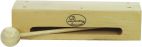
Percussion instruments produce sound by being struck, shaken or scraped. The drum kit is the rhythmic backbone of virtually every live band, while instruments such as the xylophone, glockenspiel, bongos and cajon cover a wide spectrum of musical styles. A complete acoustic drum kit for beginners typically starts around €200–€400, with professional setups reaching several thousand euros. Electronic drum kits offer a quieter practice alternative from around €300.
Wind Instruments
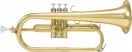
Wind instruments — including flutes, clarinets, saxophones, trumpets and trombones — produce sound through vibrating columns of air. They are essential in orchestral, jazz, marching band and folk contexts. Student-grade flutes and recorders are among the most accessible instruments, often available for under €100, while professional brass and woodwind instruments represent a significant investment.
Understanding which family suits your musical goals is the first step toward choosing the right instrument — and LTT's range covers all four.
Where and When Are Musical Instruments Used?
Musical instruments are at home in an enormous variety of settings — from intimate rehearsal rooms to large festival stages. Knowing your performance context shapes not only which instrument you choose, but also what supporting equipment you need.
Live Stage Performances
Bands, solo artists and ensembles performing live require instruments that are road-worthy and stage-ready. An electric guitar or bass needs a reliable amplifier and quality instrument cables. A drum kit must be stable, well-tuned and miked correctly for the front-of-house mix. For live stage setups, LTT connects your instruments with the full infrastructure: microphones and PA systems, amplifiers and speaker systems that ensure every note reaches the audience clearly.
Rehearsal Rooms and Studios
In rehearsal and recording environments, instruments are paired with monitors, audio interfaces and DI boxes for clean signal routing. A DI box converts the high-impedance output of a guitar or bass into a balanced signal suitable for mixing consoles and recording equipment — an essential piece of kit that competitors rarely discuss but gigging musicians rely on daily.
Churches, Schools and Community Venues
Keyboards, acoustic guitars and percussion instruments are widely used in churches, schools and community halls. These settings often require instruments that are easy to transport, simple to set up and reliable over years of regular use.
DJ Setups and Electronic Performance
For performers who blend traditional instruments with electronic production, LTT also stocks DJ equipment from leading brands — enabling seamless integration of live instruments with DJ controllers, mixers and playback systems. Whether you trigger samples from a MIDI keyboard or layer live guitar over a DJ set, LTT supports the full creative workflow.
Whatever your performance context, the right instrument is only part of the picture — the surrounding technology makes the difference between a good show and an unforgettable one.
Choosing the Right Instrument: Beginner, Advanced, Professional
Selecting a musical instrument is not just about sound preference — it is about matching the instrument to your current skill level, your long-term goals and your budget. Here is a structured guide to help you make the right decision.
Beginner Level
If you are just starting out, prioritise playability and affordability. A nylon-string classical guitar is gentler on fingertips than steel strings and is widely recommended as a first instrument. Entry-level digital keyboards with 61 keys and built-in learning functions are ideal for pianists. For percussion, a student cajon or a compact electronic drum kit (from around €300) lets you practise at home without disturbing neighbours. Brands such as Dimavery and Omnitronic offer solid beginner options at accessible price points.
Intermediate and Advanced Level
As your technique develops, you will want instruments with better resonance, more responsive action and greater tonal range. Semi-professional electric guitars with quality pickups, intermediate-grade saxophones and full acoustic drum kits with quality cymbals all fall into this bracket. Budget typically ranges from €300 to €1,500 depending on the instrument family. At this level, accessories such as quality instrument cables, tuners and stands become equally important.
Professional Level
Professional musicians demand instruments built to perform night after night under demanding conditions. Brands such as Meinl Cymbals, Meinl Percussion and Ortega Guitars represent the kind of quality found in this tier — instruments engineered for consistent performance, superior materials and long service life. Professional drum kits, high-end synthesizers and stage pianos can exceed €2,000–€5,000, but they deliver the reliability and tone that serious performers require.
Key Buying Criteria
- Build quality: solid wood vs. laminate for acoustic instruments; component quality for electronics
- Action and playability: how easy the instrument is to play at your current level
- Amplification needs: does the instrument require an amp, DI box or PA integration?
- Portability: will you be gigging regularly, or is this a studio/home instrument?
- Brand reputation and after-sales support: choose manufacturers with proven track records
LTT's team is available to advise you — visit our consulting and planning page for expert guidance on building your ideal setup.
Stage-Ready: Instruments, Cases, Cables and Amplification
Owning a great instrument is only the beginning. Taking it on the road — or onto a professional stage — demands a complete ecosystem of supporting equipment that most instrument retailers overlook. LTT's background in event and stage technology means you can source everything in one place.
Flight Cases and Transport Solutions
Touring musicians know that instruments are vulnerable in transit. A professional flight case or ATA case protects your guitar, keyboard or drum hardware against the rigours of loading, transport and venue setup. LTT stocks a wide range of cases, racks and bags — from compact instrument bags to heavy-duty flight cases with custom foam inserts. Protecting your investment with the right case is not optional for working musicians; it is essential.
Instrument Cables and Signal Routing
Signal quality starts at the instrument. A high-quality instrument cable — typically a 6.3 mm jack-to-jack lead — preserves tone and minimises interference between your guitar or bass and the amplifier or DI box. For live stage use, balanced XLR cables from the DI box to the mixing console ensure a clean, hum-free signal even over long cable runs. LTT's cables and plugs range includes professional-grade options from trusted manufacturers such as SOMMER CABLE, Neutrik and Adam Hall Cables — brands that gigging musicians and sound engineers rely on.
DI Boxes and Signal Management
A DI box (Direct Injection box) is indispensable for connecting instruments directly to a mixing console or recording interface. It converts the unbalanced, high-impedance output of a guitar or keyboard into a balanced, low-impedance signal — eliminating ground loops and preserving audio quality across long cable runs. Active DI boxes (powered) suit passive instruments like guitars; passive DI boxes work well with active instruments and keyboards.
Amplification and Monitoring
For live performance, instrument amplification must be matched to the venue size and the mix setup. A 30-watt guitar combo amplifier suits small club stages; larger venues require either a high-wattage head-and-cabinet rig or direct injection into the PA system. Stage monitors ensure performers can hear themselves clearly — a critical factor for timing and intonation. LTT's amplifier range covers everything from compact practice amps to professional power amplifiers suitable for full band rigs.
Building a stage-ready instrument setup means thinking beyond the instrument itself — and LTT gives you the complete picture.
Live Performance Setup — Lighting, Effects and Stage Technology
A truly memorable live performance is not just about sound — it is about the complete sensory experience. Pairing your instruments with professional stage technology transforms a gig into a show that puts your performance in the spotlight and creates a genuine wow-effect for your audience.
Stage Platforms and Truss Systems
A raised stage immediately elevates the visual impact of any live performance. LTT's indoor stage platforms — including the Bullstage range — provide stable, modular risers for drum kits, keyboard rigs and full band setups. Aluminium truss systems from Naxpro-Truss can be used to hang lighting fixtures, speakers and effects units above the stage, creating a professional production value regardless of venue size.
Stage Lighting for Band Performances
Strategic lighting design makes instruments and performers visually compelling. PAR spotlights, moving heads and LED wash fixtures can be programmed to follow the dynamics of the music — building tension during a guitar solo or flooding the stage in colour during a chorus. LTT's light effects range and moving lights give you the tools to design a complete stage look.
Atmospheric Effects
Haze and fog effects add depth to stage lighting, making beam effects visible and creating atmosphere that amplifies the emotional impact of live music. A haze machine running at low output throughout a performance keeps the air filled with fine particles that catch every light beam — a technique used by professional touring productions worldwide. LTT stocks a full range of hazers and fog machines to complete your live setup.
Combining quality instruments with professional stage technology is where LTT's expertise truly sets it apart — giving bands, venues and event professionals the tools to deliver beeindruckende Ergebnisse — outstanding results — every time.
Care, Maintenance and Transport of Your Instrument
A well-maintained instrument performs better, lasts longer and retains its value. Whether you play weekly gigs or daily practice sessions, a consistent maintenance routine protects your investment.
String Instruments
Guitar and bass strings should be replaced regularly — typically every 1–3 months for active players, or whenever tone becomes dull and tuning stability suffers. Fretboards benefit from occasional conditioning with appropriate oils to prevent drying and cracking. Keep acoustic guitars away from extreme temperature and humidity changes, which can cause wood to warp or crack. A quality hard case or flight case is the single most effective protection measure for any string instrument.
Percussion and Drum Kits
Drum heads wear out with use and should be replaced when they lose resonance or develop dents that affect tone. Cymbal stands, hi-hat clutches and bass drum pedals require periodic lubrication and bolt-tightening to remain stable during performance. Cymbals from brands such as Meinl Cymbals are designed for durability, but even quality cymbals benefit from careful handling and proper storage.
Keyboard and Electronic Instruments
Keyboards and synthesizers should be stored in padded bags or hard cases when transported. Key contacts and faders benefit from occasional cleaning to prevent noise and dropout. Firmware updates from the manufacturer can improve stability and add features — check regularly.
Tuning
Regular tuning is fundamental to musical quality and instrument health. A clip-on chromatic tuner (suitable for all acoustic instruments) or a rack-mounted tuner for stage use ensures you are always in pitch. For instruments with intonation adjustments — such as electric guitars and basses — periodic setup by a qualified technician keeps playability optimal.
Proper care and transport discipline extend the life of any instrument significantly — and with LTT's cases, racks and bags, you have the right protection solutions at hand.
LTT — Your Specialist for Musical Instruments and Stage Technology
LTT is more than an instrument retailer — it is your specialist partner for the complete live performance setup. With over 25 years of experience in professional event and stage technology, LTT combines an extensive musical instrument range with deep expertise in sound, lighting, rigging and effects — all shipped from Bocholt, Germany.
Every order benefits from LTT's 3-year warranty, free shipping on orders from €69, and the option of express delivery when your gig cannot wait. For professional buyers, resellers and touring companies, LTT offers wholesale pricing and an international dealer network that ensures reliable supply wherever you perform.
Whether you are equipping a rehearsal room, building a touring rig or setting up a permanent stage installation, LTT's team is ready to support you. Explore our full sound category or get in touch with our experts to find the optimum solution for your next project.
FAQ – Questions & Answers
The best musical instruments for beginners combine playability with affordability. The classical guitar (nylon strings) is widely recommended as a first string instrument because it is gentle on fingertips and versatile across genres. A digital keyboard with 61 keys and built-in learning functions suits aspiring pianists. For percussion, a cajon or compact electronic drum kit allows home practice without noise issues. Recorder and ukulele are also excellent starting points for younger learners. Prioritise an instrument that motivates you to practise consistently — the best beginner instrument is the one you will actually play.
Choosing the right musical instrument depends on four key factors: your musical goals (genre and style), your skill level (beginner, intermediate or professional), your budget and your performance context (home practice, studio recording or live stage). String instruments such as guitar and bass are versatile across many genres; keyboards and synthesizers suit producers and composers; percussion instruments are essential for rhythm sections. Consider also whether the instrument needs amplification, a flight case for transport, or specific cables and DI boxes for stage use — LTT covers all of these needs in one place.
The ten most commonly played musical instruments worldwide include the guitar, piano (and digital keyboard), drum kit, bass guitar, violin, saxophone, trumpet, flute, ukulele and synthesizer. These instruments span all four instrument families — strings, keys, percussion and wind — and are used across virtually every musical genre, from classical and jazz to rock, pop and electronic music. Each instrument requires different techniques, maintenance routines and supporting equipment for live performance.
The ten hardest musical instruments to learn are generally considered to be the violin, French horn, oboe, organ, bagpipes, harp, accordion, classical guitar, piano and drums. Difficulty is determined by factors such as the precision of pitch control required (violin, oboe), the complexity of technique (organ, harp) and the physical coordination demanded (drums, accordion). That said, consistent practice and quality instruction make any instrument achievable — and starting with the right beginner-grade instrument significantly reduces the initial learning curve.
Germany does not have an officially designated national instrument, but the organ is widely regarded as the instrument most closely associated with German musical heritage — particularly through the work of Johann Sebastian Bach. The accordion and zither also carry strong regional associations in German folk music traditions. Germany is also internationally renowned as a centre of musical instrument manufacturing, with a long history of producing high-quality pianos, brass instruments and orchestral strings — a tradition that continues today through brands such as Meinl, which manufactures cymbals and percussion instruments in Germany.
Research consistently identifies the piano as one of the most beneficial instruments for cognitive development, as playing piano simultaneously engages both hands independently, requires reading music notation and develops fine motor coordination. The violin and other string instruments also show strong links to improved memory and spatial reasoning. Drumming and percussion have been shown to improve timing, attention and stress regulation. In general, any musical instrument that requires regular, focused practice delivers measurable cognitive benefits — including improved working memory, language processing and executive function — regardless of the specific instrument chosen.
A professional live stage instrument setup varies significantly depending on the instruments and supporting equipment involved. A complete electric guitar rig — including a quality guitar (€500–€2,000), amplifier (€300–€1,500), pedalboard and cables — typically ranges from €1,000 to €4,000. A professional drum kit with quality cymbals from brands such as Meinl Cymbals starts at around €1,500 and can exceed €5,000. Adding flight cases for transport, DI boxes, stage monitors and microphones for live miking increases the total investment further. LTT provides all of these components, with wholesale pricing available for professional buyers and touring companies.
DJ equipment and traditional musical instruments serve different but increasingly overlapping roles in live performance. Traditional instruments — guitar, drums, keyboards — produce sound acoustically or electronically through direct physical interaction, offering expressive nuance and real-time dynamics. DJ equipment — controllers, mixers, CDJs from brands such as Pioneer DJ — enables precise playback, looping, effects processing and seamless track mixing. Many modern performers combine both: triggering samples and loops from a DJ controller while playing live guitar or keys over the top. LTT stocks both DJ equipment and musical instruments, making it straightforward to build a hybrid live performance rig.