

Top seller

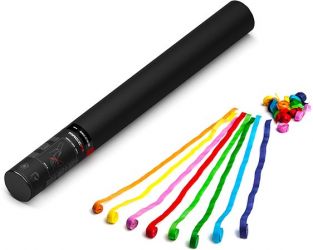
Magic FX Hand-Operated Streamer Cannon PRO 80 cm - Assorted Colors
€9.95
*
incl. tax,
plus shipping costs
 Express delivery possible
Availability:
Delivery time: 1-3 days
Delivery time: 1-3 days

Magic FX Hand-Powered Streamer Cannon, 50 cm - Assorted Colors
€6.95
*
Scale prices: from €6.49
incl. tax,
plus shipping costs
Availability:
Delivery time: 1-3 days
Delivery time: 1-3 days

Magic FX Manual Streamer Cannon PRO 80 cm - White
€9.95
*
Scale prices: from €8.95
incl. tax,
plus shipping costs
Availability:
Delivery time: 1-3 days
Delivery time: 1-3 days

Magic FX Hand-Operated Streamer Cannon 50 cm - White
€6.95
*
Scale prices: from €6.49
incl. tax,
plus shipping costs
Availability:
Delivery time: 1-3 days
Delivery time: 1-3 days

Magic FX Hand-Operated Streamer Cannon PRO 80 cm - Metallic Gold
€11.49
*
Scale prices: from €10.49
incl. tax,
plus shipping costs
Availability:
Delivery time: 1-3 days
Delivery time: 1-3 days

Magic FX Hand-Powered Streamer Cannon PRO 80 cm - Red
€9.95
*
Scale prices: from €8.95
incl. tax,
plus shipping costs
Availability:
Delivery time: 1-3 days
Delivery time: 1-3 days

Magic FX Hand-Operated Streamer Cannon 50 cm - Metallic Gold
€7.95
*
Scale prices: from €6.95
incl. tax,
plus shipping costs
Availability:
Delivery time: 1-3 days
Delivery time: 1-3 days

Magic FX Hand-Operated Streamer Cannon, 50 cm - Red
€6.95
*
Scale prices: from €6.49
incl. tax,
plus shipping costs
Availability:
Delivery time: 1-3 days
Delivery time: 1-3 days
30
Articles
No results were found for the filter!
Magic FX Hand-Operated Streamer Cannon PRO 80 cm - Assorted Colors
Magic FX Hand-Operated Streamer Cannon PRO 80 cm - Assorted Colors
MAGIC FX Hand-Operated Streamer Cannon PRO 80 cm - Assorted Colors Make your event a special highlight: The MAGIC FX Hand-Operated Streamer Cannon PRO 80 cm - Colorful creates a stunning effect...
€9.95
*
incl. tax,
plus shipping costs
Availability:
Delivery time: 1-3 days
Delivery time: 1-3 days
Magic FX Hand-Powered Streamer Cannon, 50 cm - Assorted Colors
Magic FX Hand-Powered Streamer Cannon, 50 cm - Assorted Colors
MAGIC FX Hand-Operated Streamer Cannon, 50 cm - Assorted Colors Make your event a special highlight: The MAGIC FX Hand-Operated Streamer Cannon 50 cm - Colorful creates a stunning effect with...
€6.95
*
Scale prices: from €6.49
incl. tax,
plus shipping costs
Availability:
Delivery time: 1-3 days
Delivery time: 1-3 days
Magic FX Manual Streamer Cannon PRO 80 cm - White
Magic FX Manual Streamer Cannon PRO 80 cm - White
MAGIC FX Manual Streamer Cannon PRO 80 cm - White Make your event a special highlight: The MAGIC FX Hand-Operated Streamer Cannon PRO 80 cm - White creates a stunning effect with white bio-paper...
€9.95
*
Scale prices: from €8.95
incl. tax,
plus shipping costs
Availability:
Delivery time: 1-3 days
Delivery time: 1-3 days
Magic FX Hand-Powered Streamer Cannon PRO 80 cm - Red
Magic FX Hand-Powered Streamer Cannon PRO 80 cm - Red
MAGIC FX Hand-Operated Streamer Cannon PRO 80 cm - Red Make your event a special highlight: The MAGIC FX Hand-Operated Streamer Cannon PRO 80 cm - Red creates a stunning effect with red bio-paper...
€9.95
*
Scale prices: from €8.95
incl. tax,
plus shipping costs
Availability:
Delivery time: 1-3 days
Delivery time: 1-3 days
Magic FX Hand-Operated Streamer Cannon PRO 80 cm - Metallic Gold
Magic FX Hand-Operated Streamer Cannon PRO 80 cm - Metallic Gold
MAGIC FX Hand-Operated Streamer Cannon PRO 80 cm - Gold Metallic Turn your event into a special moment: The MAGIC FX Hand-Operated Streamer Cannon PRO 80cm - Gold Metallic, with its gold metallic...
€11.49
*
Scale prices: from €10.49
incl. tax,
plus shipping costs
Availability:
Delivery time: 1-3 days
Delivery time: 1-3 days

Magic FX Hand-Operated Streamer Cannon PRO 80 cm - Metallic Silver
Magic FX Hand-Operated Streamer Cannon PRO 80 cm - Metallic Silver
MAGIC FX Hand-Operated Streamer Cannon PRO 80 cm - Metallic Silver Turn your event into a special moment: The MAGIC FX Hand-Operated Streamer Cannon PRO 80 cm – Silver Metallic creates a...
€11.49
*
Scale prices: from €10.49
incl. tax,
plus shipping costs
Availability:
Delivery time: 1-3 days
Delivery time: 1-3 days
Magic FX Hand-Operated Streamer Cannon 50 cm - White
Magic FX Hand-Operated Streamer Cannon 50 cm - White
MAGIC FX Hand-Operated Streamer Cannon 50 cm - White Make your event a special highlight: The MAGIC FX Hand-Operated Streamer Cannon 50 cm - White creates a stunning effect with white bio-paper...
€6.95
*
Scale prices: from €6.49
incl. tax,
plus shipping costs
Availability:
Delivery time: 1-3 days
Delivery time: 1-3 days
Magic FX Hand-Operated Streamer Cannon, 50 cm - Red
Magic FX Hand-Operated Streamer Cannon, 50 cm - Red
MAGIC FX Hand-Powered Streamer Cannon 50 cm - Red Make your event a special highlight: The MAGIC FX Hand-Operated Streamer Cannon 50 cm - Red creates a stunning effect with red bio-paper streamers...
€6.95
*
Scale prices: from €6.49
incl. tax,
plus shipping costs
Availability:
Delivery time: 1-3 days
Delivery time: 1-3 days
Magic FX Hand-Operated Streamer Cannon 50 cm - Metallic Gold
Magic FX Hand-Operated Streamer Cannon 50 cm - Metallic Gold
MAGIC FX Hand-Operated Streamer Cannon 50 cm - Gold Metallic Turn your event into a special moment: The MAGIC FX Hand-Operated Streamer Cannon 50 cm – Gold Metallic creates a striking and...
€7.95
*
Scale prices: from €6.95
incl. tax,
plus shipping costs
Availability:
Delivery time: 1-3 days
Delivery time: 1-3 days

Magic FX Hand-Powered Streamer Cannon PRO 80 cm - Light Green
Magic FX Hand-Powered Streamer Cannon PRO 80 cm - Light Green
MAGIC FX Hand-Powered Streamer Cannon PRO 80 cm - Light Green Make your event a special highlight: The MAGIC FX Hand-Operated Streamer Cannon PRO 80 cm - Light Green creates a stunning effect with...
€9.95
*
Scale prices: from €8.95
incl. tax,
plus shipping costs
Availability:
Delivery time: 1-3 days
Delivery time: 1-3 days

Magic FX Hand-Operated Streamer Cannon PRO 80 cm - Light Blue
Magic FX Hand-Operated Streamer Cannon PRO 80 cm - Light Blue
MAGIC FX Hand-Operated Streamer Cannon PRO 80 cm - Light Blue Make your event a special highlight: The MAGIC FX Manual Streamer Cannon PRO 80 cm - Light Blue creates a stunning effect with light...
€9.95
*
incl. tax,
plus shipping costs
Availability:
Delivery time: 1-3 days
Delivery time: 1-3 days

Magic FX Hand-Operated Streamer Cannon PRO 80 cm - White + Silver
Magic FX Hand-Operated Streamer Cannon PRO 80 cm - White + Silver
MAGIC FX Manual Streamer Cannon PRO 80 cm - White + Silver Make your event a special highlight: The MAGIC FX Hand-Operated Streamer Cannon PRO 80 cm - White+Silver creates a stunning effect with...
€10.95
*
Scale prices: from €9.95
incl. tax,
plus shipping costs
Availability:
Delivery time: 1-3 days
Delivery time: 1-3 days

Magic FX Hand-Operated Streamer Cannon PRO 80 cm - Black
Magic FX Hand-Operated Streamer Cannon PRO 80 cm - Black
MAGIC FX Hand-Operated Streamer Cannon PRO 80 cm - Black Make your event a special highlight: The MAGIC FX Manual Streamer Cannon PRO 80 cm - Black creates a stunning effect with black bio-paper...
€9.95
*
Scale prices: from €8.95
incl. tax,
plus shipping costs
Availability:
Delivery time: 1-3 days
Delivery time: 1-3 days

Magic FX Hand-Powered Streamer Cannon PRO 80 cm - Orange
Magic FX Hand-Powered Streamer Cannon PRO 80 cm - Orange
MAGIC FX Hand-Operated Streamer Cannon PRO 80 cm - Orange Make your event a special highlight: The MAGIC FX Hand-Operated Streamer Cannon PRO 80 cm - Orange creates a stunning effect with orange...
€9.95
*
Scale prices: from €8.95
incl. tax,
plus shipping costs
Availability:
Delivery time: 3-5 days
Delivery time: 3-5 days

Magic FX Hand-Operated Streamer Cannon 50 cm - Light Blue
Magic FX Hand-Operated Streamer Cannon 50 cm - Light Blue
MAGIC FX Hand-Powered Streamer Cannon 50 cm - Light Blue Make your event a special highlight: The MAGIC FX Hand-Operated Streamer Cannon 50 cm - Light Blue creates a stunning effect with light blue...
€6.95
*
Scale prices: from €6.49
incl. tax,
plus shipping costs
Availability:
Delivery time: 1-3 days
Delivery time: 1-3 days

Magic FX Hand-Powered Streamer Cannon 50 cm - Black
Magic FX Hand-Powered Streamer Cannon 50 cm - Black
MAGIC FX Hand-Operated Streamer Cannon 50 cm - Black Make your event a special highlight: The MAGIC FX Hand-Operated Streamer Cannon 50 cm - Black creates a stunning effect with black bio-paper...
€6.95
*
Scale prices: from €6.49
incl. tax,
plus shipping costs
Availability:
Delivery time: 1-3 days
Delivery time: 1-3 days

Magic FX Hand-Operated Streamer Cannon 50 cm - Metallic Silver
Magic FX Hand-Operated Streamer Cannon 50 cm - Metallic Silver
MAGIC FX Hand-Operated Streamer Cannon 50 cm - Metallic Silver Turn your event into a special moment: The MAGIC FX Hand-Operated Streamer Cannon 50 cm – Silver Metallic creates a striking and...
€7.95
*
Scale prices: from €7.49
incl. tax,
plus shipping costs
Availability:
Delivery time: 1-3 days
Delivery time: 1-3 days

Magic FX Hand-Operated Streamer Cannon PRO 80 cm - Dark Blue
Magic FX Hand-Operated Streamer Cannon PRO 80 cm - Dark Blue
MAGIC FX Hand-Operated Streamer Cannon PRO 80 cm - Dark Blue Make your event a special highlight: The MAGIC FX Manual Streamer Cannon PRO 80 cm - Dark Blue creates a stunning effect with dark blue...
€9.95
*
Scale prices: from €8.95
incl. tax,
plus shipping costs
Availability:
Delivery time: 1-3 days
Delivery time: 1-3 days

Magic FX Hand-Operated Streamer Cannon PRO 80 cm - Yellow
Magic FX Hand-Operated Streamer Cannon PRO 80 cm - Yellow
MAGIC FX Hand-Operated Streamer Cannon PRO 80 cm - Yellow Make your event a special highlight: The MAGIC FX Hand-Operated Streamer Cannon PRO 80 cm - Yellow creates a stunning effect with yellow...
€9.95
*
Scale prices: from €8.95
incl. tax,
plus shipping costs
Availability:
Delivery time: 1-3 days
Delivery time: 1-3 days

Magic FX Hand-Operated Streamer Cannon PRO 80 cm - Dark Green
Magic FX Hand-Operated Streamer Cannon PRO 80 cm - Dark Green
MAGIC FX Hand-Operated Streamer Cannon PRO 80 cm - Dark Green Make your event a special highlight: The MAGIC FX Hand-Operated Streamer Cannon PRO 80 cm - Dark Green, with its dark green bio-paper...
€5.30
*
Scale prices: from €4.89
incl. tax,
plus shipping costs
Availability:
Delivery time: 1-3 days
Delivery time: 1-3 days

Magic FX Hand-Operated Streamer Cannon 50 cm - Light Green
Magic FX Hand-Operated Streamer Cannon 50 cm - Light Green
MAGIC FX Hand-Operated Streamer Cannon, 50 cm - Light Green Make your event a special highlight: The MAGIC FX Hand-Operated Streamer Cannon 50 cm - Light Green creates a stunning effect with light...
€6.95
*
Scale prices: from €6.49
incl. tax,
plus shipping costs
Availability:
Delivery time: 1-3 days
Delivery time: 1-3 days

Magic FX Hand-Powered Streamer Cannon 50 cm - Pink
Magic FX Hand-Powered Streamer Cannon 50 cm - Pink
MAGIC FX Hand-Operated Streamer Cannon, 50 cm - Pink Make your event a special highlight: The MAGIC FX Hand-Operated Streamer Cannon 50 cm - Pink creates a stunning effect with pink bio-paper...
€6.95
*
Scale prices: from €6.49
incl. tax,
plus shipping costs
Availability:
Delivery time: 1-3 days
Delivery time: 1-3 days

Magic FX Hand-Operated Streamer Cannon 50 cm - White + Silver
Magic FX Hand-Operated Streamer Cannon 50 cm - White + Silver
MAGIC FX Hand-Operated Streamer Cannon 50 cm - White + Silver Make your event a special highlight: The MAGIC FX Hand-Operated Streamer Cannon 50 cm - White+Silver creates a stunning effect at...
€7.95
*
Scale prices: from €6.95
incl. tax,
plus shipping costs
Availability:
Delivery time: 1-3 days
Delivery time: 1-3 days

Magic FX Hand-Powered Streamer Cannon PRO 80 cm - Purple
Magic FX Hand-Powered Streamer Cannon PRO 80 cm - Purple
MAGIC FX Hand-Operated Streamer Cannon PRO 80 cm - Purple Make your event a special highlight: The MAGIC FX Manual Streamer Cannon PRO 80 cm - Purple creates a stunning effect with purple bio-paper...
€9.95
*
Scale prices: from €8.95
incl. tax,
plus shipping costs
Availability:
Delivery time: 1-3 days
Delivery time: 1-3 days