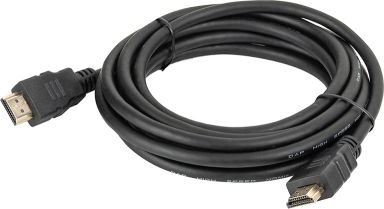
Cable plugs & distributors

Professional Cables, Plugs and Distributors for Events: Reliable power distribution is the backbone of every successful event. Whether you are setting up a festival stage, a corporate presentation or a touring production, the quality of your cables, plugs and distributors determines whether your show runs smoothly or faces costly downtime. LTT offers a comprehensive range of professional power distribution solutions designed specifically for the demands of stage and event technology. From heavy-duty rubber...
Read more »
Cable plugs & distributors
Close window
Cable plugs & distributors

Professional Cables, Plugs and Distributors for Events

Reliable power distribution is the backbone of every successful event. Whether you are setting up a festival stage, a corporate presentation or a touring production, the quality of your cables, plugs and distributors determines whether your show runs smoothly or faces costly downtime. LTT offers a comprehensive range of professional power distribution solutions designed specifically for the demands of stage and event technology. From heavy-duty rubber cables and CEE connectors to touring-grade distribution boxes and weatherproof systems, you will find everything you need to power your event safely and efficiently.

What Are Cables, Plugs and Distributors?

Cables, plugs and distributors form the essential infrastructure for electrical power distribution in professional event and stage environments. Cables are the conductors that carry electrical current from the power source to your equipment. In event technology, these are typically heavy-duty rubber cables (H07RN-F) or touring-grade PUR cables with cross-sections ranging from 1.5 mm² for small lighting fixtures up to 16 mm² or more for high-power applications such as large sound systems or lighting rigs. The cable type determines flexibility, durability and load capacity.

Plugs and connectors provide the interface between cables and equipment or power sources. The most common types in event technology are Schuko plugs (standard 230V household plugs rated up to 16A), CEE connectors (industrial plugs available in 16A, 32A and 63A variants for single-phase and three-phase power), and specialised systems such as Powerlock, True1 or Camlock connectors for high-current touring applications. Each connector type is designed for specific voltage, amperage and environmental conditions, with IP ratings indicating their protection against dust and water ingress.

Distributors (also called distribution boxes or power splitters) allow you to split a single power source into multiple outputs, enabling you to run several devices from one connection. These range from simple Y-splitters and rubber hanging distributors with three to six outputs, to sophisticated touring distribution systems with built-in circuit breakers, residual current devices (RCDs) and metering. Professional distributors are built to withstand the rigours of touring, with robust housings rated IP44 or higher for outdoor use, and often feature quick-lock systems for rapid setup and teardown.

Unlike industrial or solar power distribution systems, event technology demands extreme flexibility, rapid deployment, and the ability to withstand constant handling, transport and exposure to varying environmental conditions. This is why touring-grade components are engineered to higher mechanical standards and often feature reinforced strain relief, impact-resistant housings and corrosion-resistant contacts.

Applications in Stage and Event Technology

Professional cables, plugs and distributors are used across the entire spectrum of event production. Stage lighting is one of the most power-intensive applications, with moving heads, LED wash fixtures and conventional spotlights requiring reliable three-phase distribution. A typical mid-size touring rig might draw 63A or more per phase, necessitating heavy-duty CEE 63A connectors and 10 mm² or 16 mm² cables to handle the load safely without voltage drop.

Sound reinforcement systems demand equally robust power distribution. Line array systems, subwoofers and amplifier racks can easily exceed 32A per phase, and any interruption in power supply can damage sensitive equipment or ruin a performance. Touring sound engineers rely on distribution boxes with integrated circuit protection and multiple CEE outputs to feed different zones of the PA system independently.

Outdoor festivals and temporary events present additional challenges. Weatherproof distribution systems with IP65 or IP67 ratings are essential to protect against rain, dust and mechanical impact. Cable runs can extend hundreds of metres from generator sources to stage positions, requiring careful calculation of voltage drop and the use of appropriately sized conductors. Rubber cables with H07RN-F specification are the industry standard for outdoor use due to their flexibility in cold conditions and resistance to oil, water and abrasion.

Corporate events and exhibitions often require discreet cable management and rapid setup. Flat ribbon cables, cable ramps and compact distribution boxes allow power to be delivered safely without creating trip hazards or visual clutter. For trade show booths and exhibition stands, modular distribution systems with multiple Schuko outputs provide flexible power access for lighting, displays and multimedia equipment.

Broadcast and film production environments demand ultra-reliable power distribution with minimal electromagnetic interference. Shielded cables, star-grounding distribution systems and isolated circuits prevent hum and noise in audio and video signals. Mobile production units often use custom-built distribution racks with metering and remote monitoring capabilities.

Quality Standards and Professional Buying Criteria

When selecting cables, plugs and distributors for professional use, several critical factors determine reliability and safety. Cable cross-section and current rating must be matched to the load. A 1.5 mm² cable is suitable for loads up to approximately 16A (3.6 kW at 230V), while 2.5 mm² handles up to 25A (5.75 kW), and 6 mm² or larger is required for high-power applications exceeding 32A. Always calculate voltage drop over long cable runs — a 50-metre run at 32A may require upgrading from 4 mm² to 6 mm² to maintain acceptable voltage at the load.

IP protection ratings are crucial for outdoor and touring applications. IP44 provides basic splash protection suitable for covered outdoor stages, while IP65 offers dust-tight and water-jet protection for exposed festival environments. IP67-rated connectors can withstand temporary immersion and are essential for ground-level installations in wet conditions. Note that IP ratings apply only when connectors are properly mated and covers are closed.

Connector quality and brand make a significant difference in durability and safety. Leading manufacturers such as Neutrik, PCE, Mennekes and Wieland produce connectors with superior contact materials, reinforced housings and reliable strain relief. Cheap unbranded connectors may meet basic electrical standards but often fail mechanically after repeated use, with cracked housings, loose contacts or failed cable grips. For touring applications, the additional cost of premium connectors is recovered many times over through reduced failures and maintenance.

Distribution box features to consider include the number and type of outputs (Schuko, CEE 16A, CEE 32A), integrated circuit protection (MCBs and RCDs), metering displays, and mechanical robustness. Professional touring distributors feature impact-resistant polyethylene or die-cast aluminium housings, recessed connectors to prevent damage, and quick-lock lids for rapid access. Expect to invest €150–€400 for a basic 6-way Schuko distributor with RCD protection, €400–€800 for a CEE 32A touring distributor with multiple outputs, and €1,200–€3,000 or more for high-current 63A or 125A systems with metering and remote monitoring.

Cable flexibility and temperature rating are often overlooked. Standard H07RN-F rubber cables remain flexible down to approximately -25°C, but for extreme cold conditions (outdoor winter events, alpine installations), H07BQ-F or specialised Arctic-grade cables maintain flexibility to -40°C. PUR-jacketed cables offer superior abrasion resistance and are preferred for permanent installations or high-traffic areas where cables are subject to constant movement or mechanical stress.

Manufacturers such as Sommer Cable, Titanex, Adam Hall Cables and Cordial produce touring-grade cables that meet or exceed industry standards, with reinforced strain relief, colour-coded jackets for phase identification, and clear marking of specifications. Always verify that cables and connectors carry CE marking and comply with relevant EN standards (EN 60309 for industrial connectors, EN 60320 for appliance couplers).

Understanding Three-Phase Power Distribution

Three-phase power distribution is fundamental to professional event technology, yet it is often misunderstood. A three-phase supply (commonly called "CEE" or "Drehstrom" in German-speaking regions) provides three separate live conductors (L1, L2, L3), a neutral (N) and a protective earth (PE), typically delivered via a five-pin CEE connector. Each phase carries 230V relative to neutral, and 400V exists between any two phases.

The key advantage of three-phase distribution is load balancing. By distributing equipment across the three phases, you can draw up to three times the current of a single-phase supply from the same connector. A 32A three-phase supply can theoretically deliver up to 96A total (32A per phase), equivalent to approximately 22 kW of power. In practice, loads are rarely perfectly balanced, so a safety margin is essential.

Phase distribution strategy is critical for reliable operation. Lighting fixtures should be distributed evenly across phases to prevent overloading any single phase. For example, if you have 18 moving heads each drawing 3A, assign six fixtures to each phase (18A per phase) rather than connecting all to L1. Similarly, sound system amplifiers should be spread across phases, with left and right channels on different phases to maintain operation even if one phase fails.

Neutral and earth requirements must be understood. Single-phase equipment connected between a phase and neutral draws return current through the neutral conductor. If loads are unbalanced, the neutral can carry significant current — up to the full load of the most heavily loaded phase. This is why the neutral conductor must have the same cross-section as the phase conductors in most installations. The protective earth (PE) carries no current under normal operation but provides a safety path in case of insulation failure, and must never be undersized or omitted.

Voltage drop calculations become more complex with three-phase systems. For balanced three-phase loads, voltage drop is approximately 1.73 times lower than for an equivalent single-phase load at the same total power, due to the more efficient use of conductor material. However, for unbalanced loads or single-phase equipment fed from a three-phase supply, calculate voltage drop for the most heavily loaded phase.

Connector pin configurations vary by current rating. CEE 16A connectors use 4 mm diameter pins, CEE 32A use 6 mm pins, and CEE 63A use 8 mm pins. These are not interchangeable — attempting to force a 32A plug into a 16A socket will damage both. Colour coding indicates voltage: blue for 230V single-phase, red for 400V three-phase, and yellow for 110V (common in North America and some industrial applications).

For complex events, a distribution plan should be drawn up in advance, mapping which equipment connects to which phase, calculating total load per phase, and ensuring that critical equipment has redundant power paths where possible. Professional touring productions often use A/B power distribution, where two independent three-phase supplies feed separate distribution systems, allowing seamless switchover in case of failure.

LTT – Your Specialist for Event Technology

LTT has been your trusted partner for professional event technology for over 25 years, combining the expertise of a specialist retailer with the precision of a German manufacturer. Our range of cables, plugs and distributors includes everything from basic Schuko extensions to sophisticated touring distribution systems, all selected to meet the exacting demands of professional stage and event production.

We stock leading brands including Neutrik, PCE, Sommer Cable, Titanex, Adam Hall and many others, ensuring you have access to components that deliver reliable performance under the toughest conditions. Every product is backed by our 3-year LTT warranty, and we offer free shipping on orders over €69 throughout Europe. For urgent projects, express shipping ensures your equipment arrives when you need it.

Our team understands the unique challenges of event production — from calculating load requirements and voltage drop to selecting the right IP rating for outdoor installations. Whether you are building a touring rig, equipping a fixed installation, or managing a one-off event, LTT provides the quality products and expert advice to ensure your power distribution is safe, efficient and reliable. With shipping from our facility in Bocholt, Germany, and an international dealer network, LTT is your reliable partner wherever your events take you.

Cable Management and Safety Best Practices

Proper cable management is not just about aesthetics — it is fundamental to safety, reliability and compliance with regulations. Cable routing should minimise trip hazards, avoid sharp bends (which can damage conductors and insulation), and protect cables from mechanical damage. Use cable ramps or bridges where cables cross walkways, and secure cables with appropriate fixings to prevent movement. Never route cables through doorways where they can be crushed, or near heat sources such as spotlights or pyrotechnic equipment.

Load Calculation and Circuit Protection

Every distribution system must include appropriate overcurrent protection. Circuit breakers (MCBs) protect cables from overload and short circuits, and should be sized according to the cable cross-section: 16A breakers for 1.5 mm² cables, 25A for 2.5 mm², 32A for 4 mm², and so on. Residual current devices (RCDs) detect earth leakage and disconnect the supply within milliseconds, preventing electric shock. For event applications, 30 mA RCDs are standard for socket outlets, while 300 mA RCDs may be used for distribution circuits where nuisance tripping from equipment leakage current would be problematic.

Inspection and Testing

All cables, plugs and distributors should be visually inspected before each use. Check for damaged insulation, cracked housings, bent pins, loose cable grips and signs of overheating (discolouration, melting). Any damaged equipment must be withdrawn from service immediately. For rental and touring equipment, implement a formal Portable Appliance Testing (PAT) regime, with electrical safety testing at regular intervals (typically every 3–6 months for heavily used touring equipment). Record test results and mark equipment with test dates.

Environmental Considerations

Outdoor events require additional precautions. Ensure all connectors are rated for outdoor use (minimum IP44, preferably IP65 or higher), and that connections are made above ground level where possible to avoid water ingress. In wet conditions, use ground fault circuit interrupters (GFCIs) or RCDs on all circuits, and consider using isolation transformers for sensitive audio and video equipment to prevent ground loops and reduce shock risk.

Documentation and Compliance

Maintain records of your power distribution system, including cable schedules, load calculations and protection device ratings. For large or complex events, a qualified electrical engineer should review the design to ensure compliance with local regulations and standards. In the UK, the IET Wiring Regulations (BS 7671) apply to temporary electrical installations, while in Germany, DGUV Vorschrift 3 (formerly BGV A3) mandates regular testing of electrical equipment. Always work within the scope of your competence, and engage qualified electricians for design, installation and testing of complex systems.

FAQ – Questions & Answers

Which cable should I use for power distributors?

For professional event and stage applications, use H07RN-F rubber cables for general outdoor use and touring applications. Choose the cross-section based on load: 1.5 mm² for up to 16A (3.6 kW), 2.5 mm² for up to 25A (5.75 kW), 4 mm² for up to 32A (7.4 kW), and 6 mm² or larger for high-power applications exceeding 32A. For extreme cold conditions or high-abrasion environments, consider H07BQ-F or PUR-jacketed cables. Always ensure cables are rated for the voltage and current of your application, and calculate voltage drop for long cable runs to determine if a larger cross-section is needed.

What types of power distributors are available for events?

Power distributors for events range from simple rubber hanging distributors with three to six Schuko outputs (suitable for basic lighting and small equipment) to professional touring distribution boxes with multiple CEE 16A, 32A or 63A outputs, integrated circuit breakers and RCD protection. Weatherproof distributors with IP65 or IP67 ratings are essential for outdoor festivals and exposed installations. High-end touring systems feature metering displays, remote monitoring capabilities, and quick-lock housings for rapid setup. Choose the distributor type based on your power requirements, number of devices, environmental conditions and the level of circuit protection needed.

What are the three main types of cable connectors used in stage technology?

The three main connector types in professional stage and event technology are Schuko plugs (standard 230V household connectors rated up to 16A, used for general equipment), CEE connectors (industrial plugs available in 16A, 32A and 63A ratings for single-phase and three-phase power, colour-coded by voltage), and specialised high-current systems such as Powerlock, True1 or Camlock connectors (used in touring applications for currents exceeding 63A). Each type is designed for specific voltage, amperage and environmental conditions, with IP ratings indicating protection against dust and water. Always match the connector type to your power requirements and installation environment.

What is a distributor socket and how is it used?

A distributor socket (also called a distribution box or power splitter) is a device that allows you to split a single power source into multiple outputs, enabling several devices to be powered from one connection. In event technology, distributor sockets range from basic rubber units with three to six Schuko outlets to sophisticated touring distribution systems with multiple CEE outputs, integrated circuit breakers and residual current devices. They are used to power lighting fixtures, sound equipment and other stage technology from a central power supply, with professional models featuring weatherproof housings rated IP44 or higher for outdoor use and quick-lock systems for rapid deployment.

What IP rating do I need for outdoor event power distribution?

For outdoor events, use power distribution equipment with a minimum IP rating of IP44, which provides basic splash protection suitable for covered stages. For exposed outdoor installations such as festival stages or ground-level distribution points, IP65 is recommended — this rating ensures dust-tight protection and resistance to water jets from any direction. For equipment that may be exposed to temporary immersion (such as ground-level boxes in areas prone to flooding), IP67-rated connectors and distributors are essential. Remember that IP ratings apply only when connectors are properly mated and protective covers are closed, so always ensure connections are secure and covers are in place during operation.

How do I calculate the correct cable cross-section for my event?

To calculate the correct cable cross-section, first determine the total load in amperes that the cable must carry. As a general guide, 1.5 mm² cable handles up to 16A (3.6 kW at 230V), 2.5 mm² handles up to 25A (5.75 kW), 4 mm² handles up to 32A (7.4 kW), and 6 mm² or larger is required for loads exceeding 32A. For long cable runs, calculate voltage drop using the formula: voltage drop (V) = 2 × length (m) × current (A) × resistance per metre (Ω/m). Voltage drop should not exceed 3% for lighting circuits (approximately 7V at 230V) or 5% for power circuits (approximately 11.5V). If voltage drop is excessive, increase the cable cross-section.

What is the difference between single-phase and three-phase power distribution?

Single-phase power distribution uses one live conductor (phase), one neutral and one protective earth, typically delivered via a Schuko plug or CEE single-phase connector, providing 230V and up to 16A or 32A depending on the connector rating. Three-phase power distribution uses three live conductors (L1, L2, L3), one neutral and one protective earth, typically delivered via a five-pin CEE connector, providing 230V between each phase and neutral, and 400V between phases. Three-phase systems allow much higher total power delivery — a 32A three-phase supply can provide up to 22 kW compared to approximately 7.4 kW for a 32A single-phase supply. Three-phase distribution is essential for professional stage and event applications with high power requirements.

Which cables and distributors should I buy for touring productions?

For touring productions, invest in heavy-duty H07RN-F rubber cables with cross-sections of 2.5 mm² or larger, premium connectors from manufacturers such as Neutrik, PCE or Mennekes, and professional touring distribution boxes with IP65 or higher ratings, integrated circuit protection and quick-lock housings. Choose cables with reinforced strain relief and clear specification marking, and ensure all connectors have impact-resistant housings and reliable cable grips. Budget €150–€400 for basic 6-way Schuko distributors with RCD protection, €400–€800 for CEE 32A touring distributors, and €1,200–€3,000 or more for high-current 63A systems. The additional cost of touring-grade equipment is recovered through reduced failures, lower maintenance and longer service life under the rigours of constant transport and setup.

Categories
227 Articles
Close filters
 
  •  
  •  
  •  
  •  
  •  
  •  
  •  
  •  
  •  
  •  
  •  
  •  
  •  
  •  
  •  
  •  
  •  
  •  
  •  
  •  
from to
2 From 10 pages
No results were found for the filter!
DAP FL26 - 2 RCA Male L/R > 2 XLR/M 3 p. 3 m
DAP-Audio FL26 - 2 RCA male L/R to 2 XLR/M 3P 3 m
3 m : Flashover Voltage: 30 V • Connector 1: XLR 3P • Connector 2: RCA • Cable Length: 3 m • Pins: 2 • Outer Cable Diameter: 9 mm • Weight: 0.204 kg • Material:...
€9.50 *
incl. tax, plus shipping costs
Availability:
Delivery time: 3-5 days
FV41 HDMI 2.0 Cable 6m
DAP-Audio FV41 HDMI 2.0 Cable 6 m
48-bit/pix maximum colour depth • 4096 x 2160p / 60 Hz maximum single link resolution • 1920 x 1080p / 60 Hz maximum 3D resolution over single link • HDMI 2.0 increases the maximum...
€31.90 *
incl. tax, plus shipping costs
Availability:
Delivery time: 3-5 days
FV41 HDMI 2.0 Cable 10m
DAP-Audio FV41 HDMI 2.0 Cable 10 m
48-bit/pix maximum colour depth • 4096 x 2160p / 60 Hz maximum single link resolution • 1920 x 1080p / 60 Hz maximum 3D resolution over single link • HDMI 2.0 increases the maximum...
€56.50 *
incl. tax, plus shipping costs
Availability:
Delivery time: 3-5 days
DAP FL33 - mono Klinke > 2 RCA Male L/R  1,5 m
DAP-Audio FL33 - mono Jack to 2 RCA male L/R 1.5 m
1.5 m : Flashover Voltage: 30 V • Connector 1: TS 6.3 mm unbalanced • Connector 2: RCA • Cable Length: 1.5 m • Pins: 2 • Outer Cable Diameter: 9 mm • Weight: 0.09 kg...
€4.29 *
incl. tax, plus shipping costs
Availability:
Delivery time: 3-5 days
DAP 5 pin XLR Male 3 pin zu XLR Female 25 cm
DAP-Audio FLA36 - XLR 5P male to XLR 3P female 25 cm
25 cm, black. : Impedance: 110 Ω • Pins: 5 • Cable Length: 0.25 m • Length (mm): 250 mm • Height (mm): 250 mm • Width (mm): 25 mm • Weight: 0.1 kg • Colour:...
€6.85 *
incl. tax, plus shipping costs
Availability:
Delivery time: 3-5 days
DAP FL33 - mono Klinke > 2 RCA Male L/R 3 m
DAP-Audio FL33 - mono Jack to 2 RCA male L/R 3 m
3 m : Flashover Voltage: 30 V • Connector 1: TS 6.3 mm unbalanced • Connector 2: RCA • Cable Length: 3 m • Pins: 2 • Outer Cable Diameter: 9 mm • Weight: 0.162 kg...
€6.25 *
incl. tax, plus shipping costs
Availability:
Low stock; Delivery time: 1-3 days
Delivery time: 1-3 days
OMNITRONIC Adapterkabel XLR(F)/2xXLR(M) 0,5m sw
OMNITRONIC Adaptercable XLR(F)/2xXLR(M) 0,5m bk
Package contents 1 x XLR cable • Cable construction: Audio cable • Cable length: 0,5 m • Plug A: 1 x 3-pin XLR (F) • Plug B: 2 x 3-pin XLR (M) • Color: Black • Weight:...
€5.90 *
incl. tax, plus shipping costs
Availability:
Delivery time: 1-3 days
DAP-Audio FL46 - stereo mini Jack > 2 XLR/M 3 p. 1,5 m
DAP-Audio FL46 - stereo mini-jack to 2 XLR/M 3P 1.5 m
: Flashover Voltage: 30 V • Connector 1: TRS 3.5 mm balanced • Connector 2: XLR 3P • Cable Length: 1.5 m • Pins: 3 • Outer Cable Diameter: 9 mm • Weight: 0.13 kg...
€7.85 *
incl. tax, plus shipping costs
Availability:
Delivery time: 3-5 days
OMNITRONIC Adapterkabel XLR(M)/XLR(M) 0,2m sw
OMNITRONIC Adaptercable XLR(M)/XLR(M) 0.2m bk
Advantage of the Short Adapter Cables:When an adapter is plugged in an output socket and a cable is connected to the adapter, a leverage is emerging on the socket due to the combined length of...
€6.90 *
incl. tax, plus shipping costs
Availability:
Delivery time: 1-3 days
OMNITRONIC Adapterkabel XLR(F)/XLR(F) 0,2m sw
OMNITRONIC Adaptercable XLR(F)/XLR(F) 0.2m bk
Advantage of the Short Adapter Cables:When an adapter is plugged in an output socket and a cable is connected to the adapter, a leverage is emerging on the socket due to the combined length of...
€7.50 *
incl. tax, plus shipping costs
Availability:
Delivery time: 1-3 days
DAP FL04 - bal. XLR/M 3 p. > Jack stereo 1,5 m
DAP-Audio FL04 - bal. XLR/M 3P to Jack stereo 1.5 m
1.5 m : Flashover Voltage: 30 V • Impedance: 110 Ω • Connector 1: XLR 3P • Connector 2: TRS 6.3 mm balanced • Cable Length: 1.5 m • Pins: 3 • Conductor...
€8.25 *
incl. tax, plus shipping costs
Availability:
Delivery time: 3-5 days
DAP FL25 - 2 RCA Male L/R > 2 XLR/F 3 p.  1,5 m
DAP-Audio FL25 - 2 RCA male L/R to 2 XLR/F 3P 1.5 m
1.5 m : Flashover Voltage: 30 V • Connector 1: XLR 3P • Connector 2: RCA • Cable Length: 1.5 m • Pins: 2 • Outer Cable Diameter: 9 mm • Weight: 0.138 kg...
€8.44 *
incl. tax, plus shipping costs
Availability:
Delivery time: 1-3 days
DAP FL44 - 2 unbal. Klinke mono L/R > 2 XLR/M 3 p. 3 m
DAP-Audio FL44 - 2 unbal. Jack mono L/R to 2 XLR/M 3P 3 m
3 m : Flashover Voltage: 30 V • Connector 1: XLR 3P • Connector 2: TS 6.3 mm unbalanced • Cable Length: 3 m • Pins: 2 • Outer Cable Diameter: 9 mm • Weight: 0.11 kg...
€8.45 *
incl. tax, plus shipping costs
Availability:
Delivery time: 3-5 days
DAP FL35 - Stereo Klinke > 2 RCA Male L/R 3 m
DAP-Audio FL35 - Stereo Jack to 2 RCA male L/R 3 m
3 m : Flashover Voltage: 30 V • Connector 1: TRS 6.3 mm balanced • Connector 2: RCA • Cable Length: 3 m • Pins: 3 • Outer Cable Diameter: 9 mm • Weight: 0.16 kg...
€7.40 *
incl. tax, plus shipping costs
Availability:
Delivery time: 3-5 days
OMNITRONIC Adapterkabel 3,5 Klinke/2xCinch 1m sw
OMNITRONIC Adaptercable 3.5 Jack/2xRCA 1m bk
Cable construction: Audio cable • Cable length: 1 m • Plug A: 1 x 3.5 mm jack (stereo) • Plug B: 2 x RCA (M) • Color: Black • Weight: 0,06 kg •
€5.90 *
incl. tax, plus shipping costs
Availability:
Delivery time: 1-3 days
DAP FL03 - bal. XLR/F 3 p. > Jack stereo 1,5 m
DAP-Audio FL03 - bal. XLR/F 3P to Jack stereo 1.5 m
1.5 m : Flashover Voltage: 30 V • Impedance: 110 Ω • Connector 1: XLR 3P • Connector 2: TRS 6.3 mm balanced • Cable Length: 1.5 m • Pins: 3 • Conductor...
€8.59 *
incl. tax, plus shipping costs
Availability:
Delivery time: 3-5 days
DAP FL26 - 2 RCA Male L/R > 2 XLR/M 3 p. 1,5 m
DAP-Audio FL26 - 2 RCA male L/R to 2 XLR/M 3P 1.5 m
1.5 m : Flashover Voltage: 30 V • Connector 1: XLR 3P • Connector 2: RCA • Cable Length: 1.5 m • Pins: 2 • Outer Cable Diameter: 9 mm • Weight: 0.136 kg...
€6.45 *
incl. tax, plus shipping costs
Availability:
Delivery time: 3-5 days
DAP 3 pin XLR Male zu 5 pin XLR Female  25 cm
DAP-Audio FLA37 - XLR 3P male to XLR 5P female 25 cm
25 cm, black. : Impedance: 110 Ω • Connector 1: XLR 3P Male • Connector 2: XLR 5P Female • Pins: 5 • Cable Length: 0.25 m • Length (mm): 250 mm • Height (mm):...
€6.75 *
incl. tax, plus shipping costs
Availability:
Delivery time: 3-5 days
DAP FL35 - Stereo Klinke > 2 RCA Male L/R 1,5 m
DAP-Audio FL35 - Stereo Jack to 2 RCA male L/R 1.5 m
1.5 m : Flashover Voltage: 30 V • Connector 1: TRS 6.3 mm balanced • Connector 2: RCA • Cable Length: 1.5 m • Pins: 3 • Outer Cable Diameter: 9 mm • Weight: 0.1 kg...
€5.40 *
incl. tax, plus shipping costs
Availability:
Delivery time: 1-3 days
OMNITRONIC Adapterkabel 2xXLR(M)/2xCinch 1,0m sw
OMNITRONIC Adaptercable 2xXLR(M)/2xRCA 1.0m bk
Package contents 1 x adapter cable • Cable construction: Audio cable • Cable length: 1 m • Plug A: 2 x 3-pin XLR (M) • Plug B: 2 x RCA (M) • Color: Black • Weight:...
€5.79 *
incl. tax, plus shipping costs
Availability:
Delivery time: 1-3 days
MONACOR ACA-15/3 Audio-Kabel-Adapter
MONACOR ACA-15/3 Stereo audio/video cable adapter
Stereo audio/video cable adapter 5-pole DIN plug to 2 x RCA inline jack • Length: 15 cm • : Intended use: AV, adapter • Connectors: 1 x 5-pole DIN plug, 180°, 2 x RCA inline jack...
€3.00 *
incl. tax, plus shipping costs
Availability:
Delivery time: 3-5 days
DAP FL13 - unbal. XLR/M 3 p. > Klinke mono  1,5 m
DAP-Audio FL13 - unbal. XLR 3P, male to Jack mono 1.5 m
1.5 m : Flashover Voltage: 30 V • Connector 1: XLR 3P • Connector 2: TS 6.3 mm unbalanced • Cable Length: 1.5 m • Pins: 2 • Outer Cable Diameter: 6 mm • Weight: 0.13...
€9.20 *
incl. tax, plus shipping costs
Availability:
Delivery time: 3-5 days
MONACOR MCA-204 Audio-Verbindungskabel, 2m
MONACOR MCA-204 Adapter cable
Adapter cable For connecting e.g. a PC sound card to a mixer or amplifier • 1 x 3.5 mm stereo plug to 2 x 6.3 mm mono plug • Length: 2 m • : Intended use: audio, adapter...
€5.00 *
incl. tax, plus shipping costs
Availability:
Delivery time: 3-5 days
Cameo DMX ADAPTER OUT Adapterkabel für IP65 Outdoor Scheinwerfer IP65 Stec
Cameo DMX ADAPTER OUT - Adapter Cable for IP65 Outdoor Projector IP65 Plug to XLR female 3 Pin
Adapter Cable for IP65 Outdoor Projector IP65 Plug to XLR female 3 Pin DMX Adapter Output for CLPSTTRI12IP, CLFLOODIP65TRI, CLFLOODIP65WW, CLPFLATPRO12IP65, CLPFLATPRO18IP65, CLPFLATPRO7IP65. :...
€6.25 *
incl. tax, plus shipping costs
Availability:
Delivery time: 1-3 days
2 From 10 pages
Facts
Professional Cables, Plugs and Distributors for Events: Reliable power distribution is the backbone of every successful event. Whether you are setting up a festival stage, a corporate presentation or a touring production, the quality of your cables, plugs and distributors determines whether your show runs smoothly or faces costly downtime. LTT offers a comprehensive range of professional power distribution solutions designed specifically... Read more »
Viewed
Facts

Professional Cables, Plugs and Distributors for Events

Reliable power distribution is the backbone of every successful event. Whether you are setting up a festival stage, a corporate presentation or a touring production, the quality of your cables, plugs and distributors determines whether your show runs smoothly or faces costly downtime. LTT offers a comprehensive range of professional power distribution solutions designed specifically for the demands of stage and event technology. From heavy-duty rubber cables and CEE connectors to touring-grade distribution boxes and weatherproof systems, you will find everything you need to power your event safely and efficiently.

What Are Cables, Plugs and Distributors?

Cables, plugs and distributors form the essential infrastructure for electrical power distribution in professional event and stage environments. Cables are the conductors that carry electrical current from the power source to your equipment. In event technology, these are typically heavy-duty rubber cables (H07RN-F) or touring-grade PUR cables with cross-sections ranging from 1.5 mm² for small lighting fixtures up to 16 mm² or more for high-power applications such as large sound systems or lighting rigs. The cable type determines flexibility, durability and load capacity.

Plugs and connectors provide the interface between cables and equipment or power sources. The most common types in event technology are Schuko plugs (standard 230V household plugs rated up to 16A), CEE connectors (industrial plugs available in 16A, 32A and 63A variants for single-phase and three-phase power), and specialised systems such as Powerlock, True1 or Camlock connectors for high-current touring applications. Each connector type is designed for specific voltage, amperage and environmental conditions, with IP ratings indicating their protection against dust and water ingress.

Distributors (also called distribution boxes or power splitters) allow you to split a single power source into multiple outputs, enabling you to run several devices from one connection. These range from simple Y-splitters and rubber hanging distributors with three to six outputs, to sophisticated touring distribution systems with built-in circuit breakers, residual current devices (RCDs) and metering. Professional distributors are built to withstand the rigours of touring, with robust housings rated IP44 or higher for outdoor use, and often feature quick-lock systems for rapid setup and teardown.

Unlike industrial or solar power distribution systems, event technology demands extreme flexibility, rapid deployment, and the ability to withstand constant handling, transport and exposure to varying environmental conditions. This is why touring-grade components are engineered to higher mechanical standards and often feature reinforced strain relief, impact-resistant housings and corrosion-resistant contacts.

Applications in Stage and Event Technology

Professional cables, plugs and distributors are used across the entire spectrum of event production. Stage lighting is one of the most power-intensive applications, with moving heads, LED wash fixtures and conventional spotlights requiring reliable three-phase distribution. A typical mid-size touring rig might draw 63A or more per phase, necessitating heavy-duty CEE 63A connectors and 10 mm² or 16 mm² cables to handle the load safely without voltage drop.

Sound reinforcement systems demand equally robust power distribution. Line array systems, subwoofers and amplifier racks can easily exceed 32A per phase, and any interruption in power supply can damage sensitive equipment or ruin a performance. Touring sound engineers rely on distribution boxes with integrated circuit protection and multiple CEE outputs to feed different zones of the PA system independently.

Outdoor festivals and temporary events present additional challenges. Weatherproof distribution systems with IP65 or IP67 ratings are essential to protect against rain, dust and mechanical impact. Cable runs can extend hundreds of metres from generator sources to stage positions, requiring careful calculation of voltage drop and the use of appropriately sized conductors. Rubber cables with H07RN-F specification are the industry standard for outdoor use due to their flexibility in cold conditions and resistance to oil, water and abrasion.

Corporate events and exhibitions often require discreet cable management and rapid setup. Flat ribbon cables, cable ramps and compact distribution boxes allow power to be delivered safely without creating trip hazards or visual clutter. For trade show booths and exhibition stands, modular distribution systems with multiple Schuko outputs provide flexible power access for lighting, displays and multimedia equipment.

Broadcast and film production environments demand ultra-reliable power distribution with minimal electromagnetic interference. Shielded cables, star-grounding distribution systems and isolated circuits prevent hum and noise in audio and video signals. Mobile production units often use custom-built distribution racks with metering and remote monitoring capabilities.

Quality Standards and Professional Buying Criteria

When selecting cables, plugs and distributors for professional use, several critical factors determine reliability and safety. Cable cross-section and current rating must be matched to the load. A 1.5 mm² cable is suitable for loads up to approximately 16A (3.6 kW at 230V), while 2.5 mm² handles up to 25A (5.75 kW), and 6 mm² or larger is required for high-power applications exceeding 32A. Always calculate voltage drop over long cable runs — a 50-metre run at 32A may require upgrading from 4 mm² to 6 mm² to maintain acceptable voltage at the load.

IP protection ratings are crucial for outdoor and touring applications. IP44 provides basic splash protection suitable for covered outdoor stages, while IP65 offers dust-tight and water-jet protection for exposed festival environments. IP67-rated connectors can withstand temporary immersion and are essential for ground-level installations in wet conditions. Note that IP ratings apply only when connectors are properly mated and covers are closed.

Connector quality and brand make a significant difference in durability and safety. Leading manufacturers such as Neutrik, PCE, Mennekes and Wieland produce connectors with superior contact materials, reinforced housings and reliable strain relief. Cheap unbranded connectors may meet basic electrical standards but often fail mechanically after repeated use, with cracked housings, loose contacts or failed cable grips. For touring applications, the additional cost of premium connectors is recovered many times over through reduced failures and maintenance.

Distribution box features to consider include the number and type of outputs (Schuko, CEE 16A, CEE 32A), integrated circuit protection (MCBs and RCDs), metering displays, and mechanical robustness. Professional touring distributors feature impact-resistant polyethylene or die-cast aluminium housings, recessed connectors to prevent damage, and quick-lock lids for rapid access. Expect to invest €150–€400 for a basic 6-way Schuko distributor with RCD protection, €400–€800 for a CEE 32A touring distributor with multiple outputs, and €1,200–€3,000 or more for high-current 63A or 125A systems with metering and remote monitoring.

Cable flexibility and temperature rating are often overlooked. Standard H07RN-F rubber cables remain flexible down to approximately -25°C, but for extreme cold conditions (outdoor winter events, alpine installations), H07BQ-F or specialised Arctic-grade cables maintain flexibility to -40°C. PUR-jacketed cables offer superior abrasion resistance and are preferred for permanent installations or high-traffic areas where cables are subject to constant movement or mechanical stress.

Manufacturers such as Sommer Cable, Titanex, Adam Hall Cables and Cordial produce touring-grade cables that meet or exceed industry standards, with reinforced strain relief, colour-coded jackets for phase identification, and clear marking of specifications. Always verify that cables and connectors carry CE marking and comply with relevant EN standards (EN 60309 for industrial connectors, EN 60320 for appliance couplers).

Understanding Three-Phase Power Distribution

Three-phase power distribution is fundamental to professional event technology, yet it is often misunderstood. A three-phase supply (commonly called "CEE" or "Drehstrom" in German-speaking regions) provides three separate live conductors (L1, L2, L3), a neutral (N) and a protective earth (PE), typically delivered via a five-pin CEE connector. Each phase carries 230V relative to neutral, and 400V exists between any two phases.

The key advantage of three-phase distribution is load balancing. By distributing equipment across the three phases, you can draw up to three times the current of a single-phase supply from the same connector. A 32A three-phase supply can theoretically deliver up to 96A total (32A per phase), equivalent to approximately 22 kW of power. In practice, loads are rarely perfectly balanced, so a safety margin is essential.

Phase distribution strategy is critical for reliable operation. Lighting fixtures should be distributed evenly across phases to prevent overloading any single phase. For example, if you have 18 moving heads each drawing 3A, assign six fixtures to each phase (18A per phase) rather than connecting all to L1. Similarly, sound system amplifiers should be spread across phases, with left and right channels on different phases to maintain operation even if one phase fails.

Neutral and earth requirements must be understood. Single-phase equipment connected between a phase and neutral draws return current through the neutral conductor. If loads are unbalanced, the neutral can carry significant current — up to the full load of the most heavily loaded phase. This is why the neutral conductor must have the same cross-section as the phase conductors in most installations. The protective earth (PE) carries no current under normal operation but provides a safety path in case of insulation failure, and must never be undersized or omitted.

Voltage drop calculations become more complex with three-phase systems. For balanced three-phase loads, voltage drop is approximately 1.73 times lower than for an equivalent single-phase load at the same total power, due to the more efficient use of conductor material. However, for unbalanced loads or single-phase equipment fed from a three-phase supply, calculate voltage drop for the most heavily loaded phase.

Connector pin configurations vary by current rating. CEE 16A connectors use 4 mm diameter pins, CEE 32A use 6 mm pins, and CEE 63A use 8 mm pins. These are not interchangeable — attempting to force a 32A plug into a 16A socket will damage both. Colour coding indicates voltage: blue for 230V single-phase, red for 400V three-phase, and yellow for 110V (common in North America and some industrial applications).

For complex events, a distribution plan should be drawn up in advance, mapping which equipment connects to which phase, calculating total load per phase, and ensuring that critical equipment has redundant power paths where possible. Professional touring productions often use A/B power distribution, where two independent three-phase supplies feed separate distribution systems, allowing seamless switchover in case of failure.

LTT – Your Specialist for Event Technology

LTT has been your trusted partner for professional event technology for over 25 years, combining the expertise of a specialist retailer with the precision of a German manufacturer. Our range of cables, plugs and distributors includes everything from basic Schuko extensions to sophisticated touring distribution systems, all selected to meet the exacting demands of professional stage and event production.

We stock leading brands including Neutrik, PCE, Sommer Cable, Titanex, Adam Hall and many others, ensuring you have access to components that deliver reliable performance under the toughest conditions. Every product is backed by our 3-year LTT warranty, and we offer free shipping on orders over €69 throughout Europe. For urgent projects, express shipping ensures your equipment arrives when you need it.

Our team understands the unique challenges of event production — from calculating load requirements and voltage drop to selecting the right IP rating for outdoor installations. Whether you are building a touring rig, equipping a fixed installation, or managing a one-off event, LTT provides the quality products and expert advice to ensure your power distribution is safe, efficient and reliable. With shipping from our facility in Bocholt, Germany, and an international dealer network, LTT is your reliable partner wherever your events take you.

Cable Management and Safety Best Practices

Proper cable management is not just about aesthetics — it is fundamental to safety, reliability and compliance with regulations. Cable routing should minimise trip hazards, avoid sharp bends (which can damage conductors and insulation), and protect cables from mechanical damage. Use cable ramps or bridges where cables cross walkways, and secure cables with appropriate fixings to prevent movement. Never route cables through doorways where they can be crushed, or near heat sources such as spotlights or pyrotechnic equipment.

Load Calculation and Circuit Protection

Every distribution system must include appropriate overcurrent protection. Circuit breakers (MCBs) protect cables from overload and short circuits, and should be sized according to the cable cross-section: 16A breakers for 1.5 mm² cables, 25A for 2.5 mm², 32A for 4 mm², and so on. Residual current devices (RCDs) detect earth leakage and disconnect the supply within milliseconds, preventing electric shock. For event applications, 30 mA RCDs are standard for socket outlets, while 300 mA RCDs may be used for distribution circuits where nuisance tripping from equipment leakage current would be problematic.

Inspection and Testing

All cables, plugs and distributors should be visually inspected before each use. Check for damaged insulation, cracked housings, bent pins, loose cable grips and signs of overheating (discolouration, melting). Any damaged equipment must be withdrawn from service immediately. For rental and touring equipment, implement a formal Portable Appliance Testing (PAT) regime, with electrical safety testing at regular intervals (typically every 3–6 months for heavily used touring equipment). Record test results and mark equipment with test dates.

Environmental Considerations

Outdoor events require additional precautions. Ensure all connectors are rated for outdoor use (minimum IP44, preferably IP65 or higher), and that connections are made above ground level where possible to avoid water ingress. In wet conditions, use ground fault circuit interrupters (GFCIs) or RCDs on all circuits, and consider using isolation transformers for sensitive audio and video equipment to prevent ground loops and reduce shock risk.

Documentation and Compliance

Maintain records of your power distribution system, including cable schedules, load calculations and protection device ratings. For large or complex events, a qualified electrical engineer should review the design to ensure compliance with local regulations and standards. In the UK, the IET Wiring Regulations (BS 7671) apply to temporary electrical installations, while in Germany, DGUV Vorschrift 3 (formerly BGV A3) mandates regular testing of electrical equipment. Always work within the scope of your competence, and engage qualified electricians for design, installation and testing of complex systems.

FAQ – Questions & Answers

Which cable should I use for power distributors?

For professional event and stage applications, use H07RN-F rubber cables for general outdoor use and touring applications. Choose the cross-section based on load: 1.5 mm² for up to 16A (3.6 kW), 2.5 mm² for up to 25A (5.75 kW), 4 mm² for up to 32A (7.4 kW), and 6 mm² or larger for high-power applications exceeding 32A. For extreme cold conditions or high-abrasion environments, consider H07BQ-F or PUR-jacketed cables. Always ensure cables are rated for the voltage and current of your application, and calculate voltage drop for long cable runs to determine if a larger cross-section is needed.

What types of power distributors are available for events?

Power distributors for events range from simple rubber hanging distributors with three to six Schuko outputs (suitable for basic lighting and small equipment) to professional touring distribution boxes with multiple CEE 16A, 32A or 63A outputs, integrated circuit breakers and RCD protection. Weatherproof distributors with IP65 or IP67 ratings are essential for outdoor festivals and exposed installations. High-end touring systems feature metering displays, remote monitoring capabilities, and quick-lock housings for rapid setup. Choose the distributor type based on your power requirements, number of devices, environmental conditions and the level of circuit protection needed.

What are the three main types of cable connectors used in stage technology?

The three main connector types in professional stage and event technology are Schuko plugs (standard 230V household connectors rated up to 16A, used for general equipment), CEE connectors (industrial plugs available in 16A, 32A and 63A ratings for single-phase and three-phase power, colour-coded by voltage), and specialised high-current systems such as Powerlock, True1 or Camlock connectors (used in touring applications for currents exceeding 63A). Each type is designed for specific voltage, amperage and environmental conditions, with IP ratings indicating protection against dust and water. Always match the connector type to your power requirements and installation environment.

What is a distributor socket and how is it used?

A distributor socket (also called a distribution box or power splitter) is a device that allows you to split a single power source into multiple outputs, enabling several devices to be powered from one connection. In event technology, distributor sockets range from basic rubber units with three to six Schuko outlets to sophisticated touring distribution systems with multiple CEE outputs, integrated circuit breakers and residual current devices. They are used to power lighting fixtures, sound equipment and other stage technology from a central power supply, with professional models featuring weatherproof housings rated IP44 or higher for outdoor use and quick-lock systems for rapid deployment.

What IP rating do I need for outdoor event power distribution?

For outdoor events, use power distribution equipment with a minimum IP rating of IP44, which provides basic splash protection suitable for covered stages. For exposed outdoor installations such as festival stages or ground-level distribution points, IP65 is recommended — this rating ensures dust-tight protection and resistance to water jets from any direction. For equipment that may be exposed to temporary immersion (such as ground-level boxes in areas prone to flooding), IP67-rated connectors and distributors are essential. Remember that IP ratings apply only when connectors are properly mated and protective covers are closed, so always ensure connections are secure and covers are in place during operation.

How do I calculate the correct cable cross-section for my event?

To calculate the correct cable cross-section, first determine the total load in amperes that the cable must carry. As a general guide, 1.5 mm² cable handles up to 16A (3.6 kW at 230V), 2.5 mm² handles up to 25A (5.75 kW), 4 mm² handles up to 32A (7.4 kW), and 6 mm² or larger is required for loads exceeding 32A. For long cable runs, calculate voltage drop using the formula: voltage drop (V) = 2 × length (m) × current (A) × resistance per metre (Ω/m). Voltage drop should not exceed 3% for lighting circuits (approximately 7V at 230V) or 5% for power circuits (approximately 11.5V). If voltage drop is excessive, increase the cable cross-section.

What is the difference between single-phase and three-phase power distribution?

Single-phase power distribution uses one live conductor (phase), one neutral and one protective earth, typically delivered via a Schuko plug or CEE single-phase connector, providing 230V and up to 16A or 32A depending on the connector rating. Three-phase power distribution uses three live conductors (L1, L2, L3), one neutral and one protective earth, typically delivered via a five-pin CEE connector, providing 230V between each phase and neutral, and 400V between phases. Three-phase systems allow much higher total power delivery — a 32A three-phase supply can provide up to 22 kW compared to approximately 7.4 kW for a 32A single-phase supply. Three-phase distribution is essential for professional stage and event applications with high power requirements.

Which cables and distributors should I buy for touring productions?

For touring productions, invest in heavy-duty H07RN-F rubber cables with cross-sections of 2.5 mm² or larger, premium connectors from manufacturers such as Neutrik, PCE or Mennekes, and professional touring distribution boxes with IP65 or higher ratings, integrated circuit protection and quick-lock housings. Choose cables with reinforced strain relief and clear specification marking, and ensure all connectors have impact-resistant housings and reliable cable grips. Budget €150–€400 for basic 6-way Schuko distributors with RCD protection, €400–€800 for CEE 32A touring distributors, and €1,200–€3,000 or more for high-current 63A systems. The additional cost of touring-grade equipment is recovered through reduced failures, lower maintenance and longer service life under the rigours of constant transport and setup.

// Countdown for Black Deals