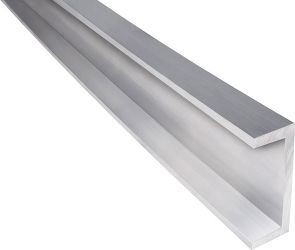
Aluminium U-profiles

Professional Aluminium U-Profiles for Event Technology: Aluminium U-profiles are essential structural components in professional event technology, stage construction and exhibition booth assembly. At LTT, you will find a comprehensive range of U-channels engineered specifically for load-bearing applications in the event industry. Whether you are building modular stage structures, reinforcing truss connections or creating custom exhibition stands, our aluminium U-profiles deliver the strength, precision and...
Read more »
Aluminium U-profiles
Close window
Aluminium U-profiles

Professional Aluminium U-Profiles for Event Technology

Aluminium U-profiles are essential structural components in professional event technology, stage construction and exhibition booth assembly. At LTT, you will find a comprehensive range of U-channels engineered specifically for load-bearing applications in the event industry. Whether you are building modular stage structures, reinforcing truss connections or creating custom exhibition stands, our aluminium U-profiles deliver the strength, precision and reliability that professional technicians demand. With certified load capacities, multiple size options and compatibility with leading truss systems, these profiles form the backbone of safe and efficient event installations across the UK and international markets.

What Are Aluminium U-Profiles and How Do They Work?

An aluminium U-profile is a structural extrusion with a characteristic U-shaped cross-section, consisting of two parallel flanges connected by a perpendicular web. This geometry creates an open channel that excels at resisting bending forces while maintaining a low weight-to-strength ratio — a critical advantage in event technology where structures must be both robust and portable.

In professional applications, aluminium U-profiles serve multiple functions: they act as edge protection for stage decks, provide mounting channels for lighting fixtures and audio equipment, reinforce large-format display panels, and function as load-distributing members in truss assemblies. The open channel design allows cables and connectors to run neatly within the profile, maintaining clean sightlines on stage.

Unlike closed box sections or solid bars, U-profiles offer exceptional torsional stiffness in one plane while remaining easy to fasten and modify. The flanges provide generous surface area for bolting or welding connections, whilst the web resists shear forces. This makes them ideal for creating rigid frames that must withstand dynamic loads during live events.

Manufactured primarily from 6060 or 6082 aluminium alloys (AlMgSi0.5), these profiles combine excellent machinability with natural corrosion resistance. The 6060 alloy is particularly suited to anodising — a surface treatment that enhances both durability and aesthetics. With a typical tensile strength of 215 N/mm², these alloys meet the structural demands of professional rigging whilst remaining significantly lighter than steel equivalents. For event technicians working under DGUV Vorschrift 17 (formerly BGV C1) regulations, this strength-to-weight ratio translates directly into safer handling and more efficient load calculations.

Applications in Stage Construction and Exhibition Booth Assembly

Aluminium U-profiles are workhorses in professional event environments, appearing in applications from small corporate presentations to large-scale festival stages. In stage construction, they serve as perimeter reinforcement for modular deck systems, preventing edge deflection under concentrated loads. When building multi-level stages, U-profiles act as stair stringers and handrail supports, providing structural integrity whilst meeting safety standards.

Exhibition booth builders rely on U-profiles to create lightweight yet rigid frameworks for display walls, product shelving and overhead signage. The channel geometry allows for concealed fastening systems, maintaining clean visual lines that are essential in trade fair environments. Larger profiles — such as 19 mm × 19 mm sections with 3.2 mm wall thickness — can span significant distances without intermediate support, enabling open, uncluttered booth layouts.

In rigging applications, U-profiles function as custom truss connectors and load-distribution plates. They bridge between standard truss sections and bespoke structural elements, allowing technicians to adapt modular systems to unique venue requirements. The profiles also serve as mounting rails for moving lights, LED panels and projection screens, with the channel providing a secure path for power and data cabling.

Mobile event operators value U-profiles for their versatility in transport case construction. The profiles form protective edges for flight cases, create internal mounting rails for equipment, and reinforce case corners subjected to repeated handling. For outdoor events, anodised aluminium U-profiles resist weathering whilst maintaining structural performance — a critical factor for festival infrastructure that must endure multiple load-in and strike cycles throughout a season.

Technical Specifications and Load-Bearing Capacities

Understanding the technical specifications of aluminium U-profiles is essential for safe and compliant event installations. At LTT, our range spans from compact 8 mm × 10.1 mm sections with 1.3 mm wall thickness — ideal for lightweight trim and cable management — up to heavy-duty 19 mm × 19 mm profiles with 3.2 mm walls capable of supporting significant structural loads.

Wall thickness directly determines load capacity. A 15.5 mm × 15.5 mm profile with 1.6 mm walls is suitable for non-critical applications such as display framing, whilst the same external dimensions with 3.2 mm walls can function as a load-bearing member in truss assemblies. When specifying profiles for rigging applications, always calculate working load limits (WLL) based on span length, support conditions and safety factors mandated by DGUV Vorschrift 17.

The 6060 alloy (AlMgSi0.5) used in most event-grade U-profiles offers a minimum tensile strength of 215 N/mm², with a yield strength typically around 160 N/mm². For critical structural applications, 6082 alloy profiles provide enhanced strength — up to 290 N/mm² tensile strength — making them suitable for longer spans or higher load concentrations. Both alloys exhibit excellent fatigue resistance, essential for structures subjected to repeated assembly and disassembly.

Dimensional tolerances follow DIN EN 755 standards for extruded aluminium profiles. Flange width, web height and wall thickness are held to tight tolerances, ensuring consistent fit when profiles interface with truss systems or mounting hardware. At LTT, we guarantee a cutting tolerance of ±1 mm on custom lengths, allowing precise integration into your designs.

EN 1090 Certification and Safety Standards

For load-bearing applications in event technology, EN 1090 certification is not optional — it is a legal requirement across the EU and UK. This standard governs the fabrication and assembly of steel and aluminium structures, ensuring that materials, welding procedures and quality control meet stringent safety criteria. When you purchase aluminium U-profiles from LTT for structural use, verify that your fabrication processes comply with EN 1090-2 (for steel) or EN 1090-3 (for aluminium).

Under DGUV Vorschrift 17 (the German occupational safety regulation for stages and production areas, formerly BGV C1), all load-bearing components must be designed, tested and documented by qualified personnel. This includes calculating bending moments, shear forces and deflection limits for U-profile members. TÜV SÜD and similar certification bodies provide third-party verification of structural calculations, a service increasingly required by event insurers and venue operators.

When integrating aluminium U-profiles with truss systems from manufacturers such as Naxpro-Truss, Prolyte or Global Truss, ensure that connection methods preserve the certified load ratings of both components. Bolted connections using high-strength fasteners (minimum grade 8.8) are standard practice, with torque specifications documented in your rigging plan. Welded connections require qualified welders certified to EN ISO 9606-2 for aluminium, with weld procedures approved under EN 1090-3.

Available Sizes, Finishes and Custom Cutting Services

LTT stocks aluminium U-profiles in a comprehensive size range to suit diverse event technology applications. Our inventory includes compact 8 mm × 10.1 mm sections ideal for trim work and cable routing, mid-range 10 mm × 13.5 mm and 15.5 mm × 15.5 mm profiles for general structural framing, and robust 19 mm × 19 mm channels for heavy-duty load-bearing applications. Wall thicknesses range from 1.3 mm for lightweight decorative use up to 3.2 mm for structural members requiring maximum strength.

Standard lengths of 1 metre, 2 metres and 2.5 metres are kept in stock for immediate dispatch, but the real advantage lies in our custom cutting service. Specify your exact required length in millimetres, and we will cut profiles to your dimensions with a guaranteed tolerance of ±1 mm. This precision eliminates on-site cutting, reduces waste and ensures that your components fit together perfectly during event build-up — a significant time-saver when working to tight production schedules.

For projects requiring angled connections, our mitre-cutting service delivers precise 45-degree cuts, enabling clean corner joints in frame assemblies. This is particularly valuable in exhibition booth construction, where visible joints must meet exacting aesthetic standards. Custom cutting also allows you to optimise material usage: order exactly the lengths you need rather than cutting down standard stock and discarding offcuts.

Surface Finishes: Mill, Anodised and Polished Options

Surface finish affects both appearance and performance. Mill finish (also called natural or press-bright) aluminium retains the as-extruded surface, suitable for applications where the profile will be concealed or painted. However, mill finish aluminium can show handling marks and is more susceptible to surface corrosion in harsh environments.

Anodised finishes — typically silver but also available in bronze, black and custom colours — provide a hard, wear-resistant surface layer that protects against corrosion and abrasion. Anodising also creates a uniform, professional appearance essential for visible structural elements in high-profile events. The anodic layer is electrically non-conductive, an important consideration when profiles are used near electrical equipment.

Brushed or polished finishes elevate aluminium U-profiles into the realm of architectural detailing. A brushed finish creates a satin texture that conceals minor scratches whilst maintaining a refined look, ideal for exhibition stands and corporate event installations. Mirror-polished profiles deliver a high-gloss appearance suited to premium brand activations, though they require more careful handling to avoid fingerprints and surface marks.

For outdoor festival infrastructure or touring production equipment, powder-coated finishes offer the ultimate protection. Powder coating applies a thick, durable polymer layer in virtually any colour, providing superior UV resistance and impact protection compared to anodising alone. When specifying powder-coated profiles, ensure that the coating process includes proper surface preparation and curing to meet outdoor exposure standards.

Compatibility with Truss Systems and Professional Rigging Hardware

One of the most critical yet often overlooked aspects of aluminium U-profiles in event technology is their integration with modular truss systems. At LTT, our profiles are dimensioned to work seamlessly with industry-standard truss from Naxpro-Truss, Prolyte, Global Truss, Litec and other leading manufacturers, enabling you to create custom structural solutions that extend beyond catalogue components.

When connecting U-profiles to truss sections, the flange width and bolt-hole spacing become paramount. A 15.5 mm × 15.5 mm profile with 3.2 mm walls provides sufficient material thickness for M8 or M10 bolts, matching the connection standards used in FD21 and FD31 truss systems. For heavier-duty applications interfacing with HD31 or GS94 truss, 19 mm × 19 mm profiles with 3.2 mm walls offer the necessary bearing area to distribute loads without localised deformation.

Riggatec rigging hardware — clamps, connectors and mounting plates — is engineered to interface with both standard truss and custom aluminium profiles. Half-couplers and swivel couplers designed for 50 mm truss tubes can be adapted to U-profile flanges using backing plates, creating versatile connection points for lighting bars, speaker arrays and scenic elements. When designing these connections, always calculate the shear and bearing stresses to ensure that the profile material can safely transfer the applied loads.

Load Distribution and Structural Integrity

In complex rigging scenarios, aluminium U-profiles function as load-distribution beams, spreading concentrated forces from hoists or motors across multiple truss pick points. For example, when flying a heavy LED wall from a truss grid, U-profiles bolted perpendicular to the main truss members create a secondary load path, reducing point loads and preventing localised overstress. This technique is standard practice in large-scale concert production, where structural redundancy is essential for safety.

The open channel geometry of U-profiles also facilitates cable management within rigged structures. Power and data cables can run within the channel, secured with cable ties or adhesive-backed clips, maintaining a clean appearance whilst protecting cables from snagging during truss movement. This is particularly valuable in automated rigging systems where truss sections move during the show — organised cabling prevents entanglement and reduces the risk of cable damage.

When specifying U-profiles for truss integration, consult the structural documentation for your truss system. Manufacturers such as Naxpro-Truss provide detailed load tables and connection guidelines that must be followed to maintain warranty coverage and insurance compliance. Any custom connections should be reviewed by a qualified structural engineer and documented in your rigging plan, particularly for installations subject to public safety regulations.

LTT – Your Specialist for Event Technology Solutions

At LTT, we understand that professional event technology demands more than just products — it requires expertise, reliability and a partner who speaks your language. With over 25 years of experience in the industry, we have built our reputation by supporting event technicians, stage builders and exhibition professionals with high-quality materials and knowledgeable service.

Our aluminium U-profiles are part of a comprehensive ecosystem that includes Naxpro-Truss systems, Riggatec rigging hardware, Bullstage modular decking and a vast inventory of lighting, audio and effects equipment. This integrated approach means you can source complete event solutions from a single supplier, streamlining procurement and ensuring component compatibility. When you order U-profiles alongside truss sections and connectors, you can be confident that everything will work together seamlessly on site.

Shipping from our facility in Bocholt, Germany, we serve customers across the UK, Ireland and international markets with fast, reliable delivery. Orders over €69 qualify for free shipping, and express options are available when your production schedule demands rapid turnaround. Our 3-year LTT guarantee covers manufacturing defects, giving you peace of mind on every purchase.

For trade customers and hire companies, we offer wholesale pricing and dedicated account management. Our B2B programme provides volume discounts, extended payment terms and priority access to new products — essential benefits for businesses operating in the competitive event services market. With over 100,000 positive customer reviews, LTT has earned the trust of professionals who depend on us to deliver quality products on time, every time.

Whether you are building a festival main stage, outfitting a touring production or creating a bespoke exhibition stand, LTT provides the aluminium U-profiles and technical support you need to bring your vision to life. Explore our full range online, or contact our team for personalised advice on selecting the right profiles for your specific application.

FAQ – Questions & Answers

What sizes of aluminium U-profiles are available at LTT?

LTT stocks aluminium U-profiles in multiple sizes to suit diverse event technology applications. Common dimensions include 8 mm × 10.1 mm with 1.3 mm wall thickness for lightweight trim work, 10 mm × 13.5 mm for general framing, 15.5 mm × 15.5 mm in both 1.6 mm and 3.2 mm wall thicknesses for medium-duty structural use, and 19 mm × 19 mm with 3.2 mm walls for heavy-duty load-bearing applications. Standard stock lengths are 1 metre, 2 metres and 2.5 metres, with custom cutting available to your exact specifications with ±1 mm tolerance. All profiles are manufactured from 6060 or 6082 aluminium alloy (AlMgSi0.5) and are available in mill finish, anodised silver or custom surface treatments.

Can aluminium U-profiles be used for load-bearing stage construction?

Yes, aluminium U-profiles are widely used for load-bearing applications in professional stage construction, provided they are correctly specified and installed. Profiles manufactured from 6060 or 6082 alloy with appropriate wall thickness (typically 2 mm to 3.2 mm) can support significant structural loads when properly engineered. For compliance with DGUV Vorschrift 17 (formerly BGV C1) and EN 1090 standards, all load-bearing applications must include structural calculations performed by qualified personnel, documenting working load limits, safety factors and connection methods. At LTT, we recommend consulting a structural engineer for critical rigging applications to ensure that profile dimensions, span lengths and support conditions meet safety requirements.

What is the difference between 6060 and 6082 aluminium alloys in U-profiles?

The primary difference between 6060 and 6082 aluminium alloys lies in their strength characteristics. 6060 alloy (AlMgSi0.5) offers a minimum tensile strength of 215 N/mm² and is highly suitable for anodising, making it ideal for visible structural elements and decorative applications in event technology. The 6082 alloy provides enhanced strength — up to 290 N/mm² tensile strength — making it preferable for longer spans, higher load concentrations or critical structural members. Both alloys exhibit excellent corrosion resistance and machinability, but 6082 is the better choice when maximum load capacity is required. For most stage construction and exhibition booth applications, 6060 alloy U-profiles provide adequate strength whilst offering superior surface finish options.

How do I connect aluminium U-profiles to truss systems?

Connecting aluminium U-profiles to truss systems requires careful attention to bolt sizing, hole spacing and load distribution. The most common method uses high-strength bolts (minimum grade 8.8) passing through pre-drilled holes in the profile flanges and matching holes in truss connection plates or chords. For profiles interfacing with Naxpro-Truss, Prolyte or Global Truss systems, M8 or M10 bolts are standard, with torque specifications documented in your rigging plan. Backing plates or washers distribute bearing stresses and prevent localised deformation of the aluminium. When designing custom connections, always calculate shear and bearing stresses to verify that the profile material can safely transfer applied loads. For critical rigging applications, consult the truss manufacturer's structural documentation and have connections reviewed by a qualified engineer.

What surface finish should I choose for aluminium U-profiles in event applications?

The choice of surface finish for aluminium U-profiles depends on visibility, environmental exposure and aesthetic requirements. Mill finish (natural aluminium) is cost-effective for concealed applications or components that will be painted, but it shows handling marks and offers limited corrosion protection. Anodised finishes — typically silver, but also available in bronze, black or custom colours — provide a hard, wear-resistant surface ideal for visible structural elements, with enhanced corrosion resistance for outdoor use. Brushed or polished finishes elevate profiles to architectural quality, suitable for high-profile exhibition stands and corporate events. For touring equipment or outdoor festival infrastructure, powder-coated finishes deliver the ultimate durability, with thick polymer layers providing superior UV and impact resistance. At LTT, we can advise on the most appropriate finish for your specific application.

Are custom cutting services available for aluminium U-profiles?

Yes, LTT offers a comprehensive custom cutting service for aluminium U-profiles, allowing you to order exact lengths tailored to your project requirements. Specify your desired length in millimetres, and we will cut profiles with a guaranteed tolerance of ±1 mm, eliminating the need for on-site cutting and reducing material waste. Our service also includes mitre cutting for angled connections, delivering precise 45-degree cuts for clean corner joints in frame assemblies. Custom cutting is particularly valuable in exhibition booth construction and stage builds where components must fit together perfectly during tight production schedules. This service is available on all profile sizes in our range, with no minimum order quantity, and profiles are dispatched ready to install.

What load capacity do aluminium U-profiles have for rigging applications?

The load capacity of aluminium U-profiles in rigging applications depends on profile dimensions, wall thickness, span length, support conditions and the alloy used. As a general guideline, a 15.5 mm × 15.5 mm profile with 3.2 mm walls in 6060 alloy can support moderate loads over short spans (under 1 metre), whilst a 19 mm × 19 mm profile with 3.2 mm walls in 6082 alloy is suitable for heavier loads or longer spans. However, precise working load limits (WLL) must be calculated for each specific application, taking into account bending moments, shear forces, deflection limits and safety factors mandated by DGUV Vorschrift 17. At LTT, we strongly recommend that all load-bearing rigging designs be reviewed by a qualified structural engineer, with calculations documented in your rigging plan to ensure compliance with safety regulations and insurance requirements.

Can aluminium U-profiles be used outdoors for festival stages?

Aluminium U-profiles are well-suited to outdoor festival applications due to the natural corrosion resistance of aluminium alloys. The 6060 and 6082 alloys used in event-grade profiles resist weathering and do not rust, making them ideal for structures exposed to rain, humidity and temperature fluctuations. For extended outdoor use or coastal environments with salt exposure, anodised or powder-coated finishes provide additional protection, significantly extending service life. When designing outdoor stage structures with U-profiles, ensure that all connections use stainless steel or zinc-plated fasteners to prevent galvanic corrosion, and incorporate drainage paths to prevent water accumulation in the channel. With proper surface treatment and maintenance, aluminium U-profiles can deliver many seasons of reliable performance in demanding outdoor festival environments.

Top seller
Riggatec Alu U-Profil 120x45x10 mm Länge 2,0 m
Riggatec Alu U-Profile 120x45x10 mm
from €28.90 *
incl. tax, plus shipping costs
Availability:
Delivery time: 1-3 days
Riggatec Alu U-Profil 160x80x10 mm Länge 2,0 m
Riggatec Alu U-Profile 160x80x10 mm
from €49.00 *
incl. tax, plus shipping costs
Availability:
Delivery time: 3-5 days
2 Articles
Close filters
 
  •  
from to
No results were found for the filter!
Riggatec Alu U-Profil 120x45x10 mm Länge 2,0 m
Riggatec Alu U-Profile 120x45x10 mm
Riggatec Alu U-Profile 120x45x10 mm The Riggatec Alu U-Profile offers a perfect balance of rigidity, flexibility and ease of use. With a sturdy construction made of high-quality aluminum, it offers...
from €28.90 *
incl. tax, plus shipping costs
Availability:
Delivery time: 1-3 days
Riggatec Alu U-Profil 160x80x10 mm Länge 2,0 m
Riggatec Alu U-Profile 160x80x10 mm
Riggatec Alu U-Profile 160x80x10 mm The Riggatec Alu U-Profile offers a perfect balance of rigidity, flexibility and ease of use. With a sturdy construction made of high-quality aluminum, it offers...
from €49.00 *
incl. tax, plus shipping costs
Availability:
Delivery time: 3-5 days
Facts
Professional Aluminium U-Profiles for Event Technology: Aluminium U-profiles are essential structural components in professional event technology, stage construction and exhibition booth assembly. At LTT, you will find a comprehensive range of U-channels engineered specifically for load-bearing applications in the event industry. Whether you are building modular stage structures, reinforcing truss connections or creating custom exhibition... Read more »
Viewed
Facts

Professional Aluminium U-Profiles for Event Technology

Aluminium U-profiles are essential structural components in professional event technology, stage construction and exhibition booth assembly. At LTT, you will find a comprehensive range of U-channels engineered specifically for load-bearing applications in the event industry. Whether you are building modular stage structures, reinforcing truss connections or creating custom exhibition stands, our aluminium U-profiles deliver the strength, precision and reliability that professional technicians demand. With certified load capacities, multiple size options and compatibility with leading truss systems, these profiles form the backbone of safe and efficient event installations across the UK and international markets.

What Are Aluminium U-Profiles and How Do They Work?

An aluminium U-profile is a structural extrusion with a characteristic U-shaped cross-section, consisting of two parallel flanges connected by a perpendicular web. This geometry creates an open channel that excels at resisting bending forces while maintaining a low weight-to-strength ratio — a critical advantage in event technology where structures must be both robust and portable.

In professional applications, aluminium U-profiles serve multiple functions: they act as edge protection for stage decks, provide mounting channels for lighting fixtures and audio equipment, reinforce large-format display panels, and function as load-distributing members in truss assemblies. The open channel design allows cables and connectors to run neatly within the profile, maintaining clean sightlines on stage.

Unlike closed box sections or solid bars, U-profiles offer exceptional torsional stiffness in one plane while remaining easy to fasten and modify. The flanges provide generous surface area for bolting or welding connections, whilst the web resists shear forces. This makes them ideal for creating rigid frames that must withstand dynamic loads during live events.

Manufactured primarily from 6060 or 6082 aluminium alloys (AlMgSi0.5), these profiles combine excellent machinability with natural corrosion resistance. The 6060 alloy is particularly suited to anodising — a surface treatment that enhances both durability and aesthetics. With a typical tensile strength of 215 N/mm², these alloys meet the structural demands of professional rigging whilst remaining significantly lighter than steel equivalents. For event technicians working under DGUV Vorschrift 17 (formerly BGV C1) regulations, this strength-to-weight ratio translates directly into safer handling and more efficient load calculations.

Applications in Stage Construction and Exhibition Booth Assembly

Aluminium U-profiles are workhorses in professional event environments, appearing in applications from small corporate presentations to large-scale festival stages. In stage construction, they serve as perimeter reinforcement for modular deck systems, preventing edge deflection under concentrated loads. When building multi-level stages, U-profiles act as stair stringers and handrail supports, providing structural integrity whilst meeting safety standards.

Exhibition booth builders rely on U-profiles to create lightweight yet rigid frameworks for display walls, product shelving and overhead signage. The channel geometry allows for concealed fastening systems, maintaining clean visual lines that are essential in trade fair environments. Larger profiles — such as 19 mm × 19 mm sections with 3.2 mm wall thickness — can span significant distances without intermediate support, enabling open, uncluttered booth layouts.

In rigging applications, U-profiles function as custom truss connectors and load-distribution plates. They bridge between standard truss sections and bespoke structural elements, allowing technicians to adapt modular systems to unique venue requirements. The profiles also serve as mounting rails for moving lights, LED panels and projection screens, with the channel providing a secure path for power and data cabling.

Mobile event operators value U-profiles for their versatility in transport case construction. The profiles form protective edges for flight cases, create internal mounting rails for equipment, and reinforce case corners subjected to repeated handling. For outdoor events, anodised aluminium U-profiles resist weathering whilst maintaining structural performance — a critical factor for festival infrastructure that must endure multiple load-in and strike cycles throughout a season.

Technical Specifications and Load-Bearing Capacities

Understanding the technical specifications of aluminium U-profiles is essential for safe and compliant event installations. At LTT, our range spans from compact 8 mm × 10.1 mm sections with 1.3 mm wall thickness — ideal for lightweight trim and cable management — up to heavy-duty 19 mm × 19 mm profiles with 3.2 mm walls capable of supporting significant structural loads.

Wall thickness directly determines load capacity. A 15.5 mm × 15.5 mm profile with 1.6 mm walls is suitable for non-critical applications such as display framing, whilst the same external dimensions with 3.2 mm walls can function as a load-bearing member in truss assemblies. When specifying profiles for rigging applications, always calculate working load limits (WLL) based on span length, support conditions and safety factors mandated by DGUV Vorschrift 17.

The 6060 alloy (AlMgSi0.5) used in most event-grade U-profiles offers a minimum tensile strength of 215 N/mm², with a yield strength typically around 160 N/mm². For critical structural applications, 6082 alloy profiles provide enhanced strength — up to 290 N/mm² tensile strength — making them suitable for longer spans or higher load concentrations. Both alloys exhibit excellent fatigue resistance, essential for structures subjected to repeated assembly and disassembly.

Dimensional tolerances follow DIN EN 755 standards for extruded aluminium profiles. Flange width, web height and wall thickness are held to tight tolerances, ensuring consistent fit when profiles interface with truss systems or mounting hardware. At LTT, we guarantee a cutting tolerance of ±1 mm on custom lengths, allowing precise integration into your designs.

EN 1090 Certification and Safety Standards

For load-bearing applications in event technology, EN 1090 certification is not optional — it is a legal requirement across the EU and UK. This standard governs the fabrication and assembly of steel and aluminium structures, ensuring that materials, welding procedures and quality control meet stringent safety criteria. When you purchase aluminium U-profiles from LTT for structural use, verify that your fabrication processes comply with EN 1090-2 (for steel) or EN 1090-3 (for aluminium).

Under DGUV Vorschrift 17 (the German occupational safety regulation for stages and production areas, formerly BGV C1), all load-bearing components must be designed, tested and documented by qualified personnel. This includes calculating bending moments, shear forces and deflection limits for U-profile members. TÜV SÜD and similar certification bodies provide third-party verification of structural calculations, a service increasingly required by event insurers and venue operators.

When integrating aluminium U-profiles with truss systems from manufacturers such as Naxpro-Truss, Prolyte or Global Truss, ensure that connection methods preserve the certified load ratings of both components. Bolted connections using high-strength fasteners (minimum grade 8.8) are standard practice, with torque specifications documented in your rigging plan. Welded connections require qualified welders certified to EN ISO 9606-2 for aluminium, with weld procedures approved under EN 1090-3.

Available Sizes, Finishes and Custom Cutting Services

LTT stocks aluminium U-profiles in a comprehensive size range to suit diverse event technology applications. Our inventory includes compact 8 mm × 10.1 mm sections ideal for trim work and cable routing, mid-range 10 mm × 13.5 mm and 15.5 mm × 15.5 mm profiles for general structural framing, and robust 19 mm × 19 mm channels for heavy-duty load-bearing applications. Wall thicknesses range from 1.3 mm for lightweight decorative use up to 3.2 mm for structural members requiring maximum strength.

Standard lengths of 1 metre, 2 metres and 2.5 metres are kept in stock for immediate dispatch, but the real advantage lies in our custom cutting service. Specify your exact required length in millimetres, and we will cut profiles to your dimensions with a guaranteed tolerance of ±1 mm. This precision eliminates on-site cutting, reduces waste and ensures that your components fit together perfectly during event build-up — a significant time-saver when working to tight production schedules.

For projects requiring angled connections, our mitre-cutting service delivers precise 45-degree cuts, enabling clean corner joints in frame assemblies. This is particularly valuable in exhibition booth construction, where visible joints must meet exacting aesthetic standards. Custom cutting also allows you to optimise material usage: order exactly the lengths you need rather than cutting down standard stock and discarding offcuts.

Surface Finishes: Mill, Anodised and Polished Options

Surface finish affects both appearance and performance. Mill finish (also called natural or press-bright) aluminium retains the as-extruded surface, suitable for applications where the profile will be concealed or painted. However, mill finish aluminium can show handling marks and is more susceptible to surface corrosion in harsh environments.

Anodised finishes — typically silver but also available in bronze, black and custom colours — provide a hard, wear-resistant surface layer that protects against corrosion and abrasion. Anodising also creates a uniform, professional appearance essential for visible structural elements in high-profile events. The anodic layer is electrically non-conductive, an important consideration when profiles are used near electrical equipment.

Brushed or polished finishes elevate aluminium U-profiles into the realm of architectural detailing. A brushed finish creates a satin texture that conceals minor scratches whilst maintaining a refined look, ideal for exhibition stands and corporate event installations. Mirror-polished profiles deliver a high-gloss appearance suited to premium brand activations, though they require more careful handling to avoid fingerprints and surface marks.

For outdoor festival infrastructure or touring production equipment, powder-coated finishes offer the ultimate protection. Powder coating applies a thick, durable polymer layer in virtually any colour, providing superior UV resistance and impact protection compared to anodising alone. When specifying powder-coated profiles, ensure that the coating process includes proper surface preparation and curing to meet outdoor exposure standards.

Compatibility with Truss Systems and Professional Rigging Hardware

One of the most critical yet often overlooked aspects of aluminium U-profiles in event technology is their integration with modular truss systems. At LTT, our profiles are dimensioned to work seamlessly with industry-standard truss from Naxpro-Truss, Prolyte, Global Truss, Litec and other leading manufacturers, enabling you to create custom structural solutions that extend beyond catalogue components.

When connecting U-profiles to truss sections, the flange width and bolt-hole spacing become paramount. A 15.5 mm × 15.5 mm profile with 3.2 mm walls provides sufficient material thickness for M8 or M10 bolts, matching the connection standards used in FD21 and FD31 truss systems. For heavier-duty applications interfacing with HD31 or GS94 truss, 19 mm × 19 mm profiles with 3.2 mm walls offer the necessary bearing area to distribute loads without localised deformation.

Riggatec rigging hardware — clamps, connectors and mounting plates — is engineered to interface with both standard truss and custom aluminium profiles. Half-couplers and swivel couplers designed for 50 mm truss tubes can be adapted to U-profile flanges using backing plates, creating versatile connection points for lighting bars, speaker arrays and scenic elements. When designing these connections, always calculate the shear and bearing stresses to ensure that the profile material can safely transfer the applied loads.

Load Distribution and Structural Integrity

In complex rigging scenarios, aluminium U-profiles function as load-distribution beams, spreading concentrated forces from hoists or motors across multiple truss pick points. For example, when flying a heavy LED wall from a truss grid, U-profiles bolted perpendicular to the main truss members create a secondary load path, reducing point loads and preventing localised overstress. This technique is standard practice in large-scale concert production, where structural redundancy is essential for safety.

The open channel geometry of U-profiles also facilitates cable management within rigged structures. Power and data cables can run within the channel, secured with cable ties or adhesive-backed clips, maintaining a clean appearance whilst protecting cables from snagging during truss movement. This is particularly valuable in automated rigging systems where truss sections move during the show — organised cabling prevents entanglement and reduces the risk of cable damage.

When specifying U-profiles for truss integration, consult the structural documentation for your truss system. Manufacturers such as Naxpro-Truss provide detailed load tables and connection guidelines that must be followed to maintain warranty coverage and insurance compliance. Any custom connections should be reviewed by a qualified structural engineer and documented in your rigging plan, particularly for installations subject to public safety regulations.

LTT – Your Specialist for Event Technology Solutions

At LTT, we understand that professional event technology demands more than just products — it requires expertise, reliability and a partner who speaks your language. With over 25 years of experience in the industry, we have built our reputation by supporting event technicians, stage builders and exhibition professionals with high-quality materials and knowledgeable service.

Our aluminium U-profiles are part of a comprehensive ecosystem that includes Naxpro-Truss systems, Riggatec rigging hardware, Bullstage modular decking and a vast inventory of lighting, audio and effects equipment. This integrated approach means you can source complete event solutions from a single supplier, streamlining procurement and ensuring component compatibility. When you order U-profiles alongside truss sections and connectors, you can be confident that everything will work together seamlessly on site.

Shipping from our facility in Bocholt, Germany, we serve customers across the UK, Ireland and international markets with fast, reliable delivery. Orders over €69 qualify for free shipping, and express options are available when your production schedule demands rapid turnaround. Our 3-year LTT guarantee covers manufacturing defects, giving you peace of mind on every purchase.

For trade customers and hire companies, we offer wholesale pricing and dedicated account management. Our B2B programme provides volume discounts, extended payment terms and priority access to new products — essential benefits for businesses operating in the competitive event services market. With over 100,000 positive customer reviews, LTT has earned the trust of professionals who depend on us to deliver quality products on time, every time.

Whether you are building a festival main stage, outfitting a touring production or creating a bespoke exhibition stand, LTT provides the aluminium U-profiles and technical support you need to bring your vision to life. Explore our full range online, or contact our team for personalised advice on selecting the right profiles for your specific application.

FAQ – Questions & Answers

What sizes of aluminium U-profiles are available at LTT?

LTT stocks aluminium U-profiles in multiple sizes to suit diverse event technology applications. Common dimensions include 8 mm × 10.1 mm with 1.3 mm wall thickness for lightweight trim work, 10 mm × 13.5 mm for general framing, 15.5 mm × 15.5 mm in both 1.6 mm and 3.2 mm wall thicknesses for medium-duty structural use, and 19 mm × 19 mm with 3.2 mm walls for heavy-duty load-bearing applications. Standard stock lengths are 1 metre, 2 metres and 2.5 metres, with custom cutting available to your exact specifications with ±1 mm tolerance. All profiles are manufactured from 6060 or 6082 aluminium alloy (AlMgSi0.5) and are available in mill finish, anodised silver or custom surface treatments.

Can aluminium U-profiles be used for load-bearing stage construction?

Yes, aluminium U-profiles are widely used for load-bearing applications in professional stage construction, provided they are correctly specified and installed. Profiles manufactured from 6060 or 6082 alloy with appropriate wall thickness (typically 2 mm to 3.2 mm) can support significant structural loads when properly engineered. For compliance with DGUV Vorschrift 17 (formerly BGV C1) and EN 1090 standards, all load-bearing applications must include structural calculations performed by qualified personnel, documenting working load limits, safety factors and connection methods. At LTT, we recommend consulting a structural engineer for critical rigging applications to ensure that profile dimensions, span lengths and support conditions meet safety requirements.

What is the difference between 6060 and 6082 aluminium alloys in U-profiles?

The primary difference between 6060 and 6082 aluminium alloys lies in their strength characteristics. 6060 alloy (AlMgSi0.5) offers a minimum tensile strength of 215 N/mm² and is highly suitable for anodising, making it ideal for visible structural elements and decorative applications in event technology. The 6082 alloy provides enhanced strength — up to 290 N/mm² tensile strength — making it preferable for longer spans, higher load concentrations or critical structural members. Both alloys exhibit excellent corrosion resistance and machinability, but 6082 is the better choice when maximum load capacity is required. For most stage construction and exhibition booth applications, 6060 alloy U-profiles provide adequate strength whilst offering superior surface finish options.

How do I connect aluminium U-profiles to truss systems?

Connecting aluminium U-profiles to truss systems requires careful attention to bolt sizing, hole spacing and load distribution. The most common method uses high-strength bolts (minimum grade 8.8) passing through pre-drilled holes in the profile flanges and matching holes in truss connection plates or chords. For profiles interfacing with Naxpro-Truss, Prolyte or Global Truss systems, M8 or M10 bolts are standard, with torque specifications documented in your rigging plan. Backing plates or washers distribute bearing stresses and prevent localised deformation of the aluminium. When designing custom connections, always calculate shear and bearing stresses to verify that the profile material can safely transfer applied loads. For critical rigging applications, consult the truss manufacturer's structural documentation and have connections reviewed by a qualified engineer.

What surface finish should I choose for aluminium U-profiles in event applications?

The choice of surface finish for aluminium U-profiles depends on visibility, environmental exposure and aesthetic requirements. Mill finish (natural aluminium) is cost-effective for concealed applications or components that will be painted, but it shows handling marks and offers limited corrosion protection. Anodised finishes — typically silver, but also available in bronze, black or custom colours — provide a hard, wear-resistant surface ideal for visible structural elements, with enhanced corrosion resistance for outdoor use. Brushed or polished finishes elevate profiles to architectural quality, suitable for high-profile exhibition stands and corporate events. For touring equipment or outdoor festival infrastructure, powder-coated finishes deliver the ultimate durability, with thick polymer layers providing superior UV and impact resistance. At LTT, we can advise on the most appropriate finish for your specific application.

Are custom cutting services available for aluminium U-profiles?

Yes, LTT offers a comprehensive custom cutting service for aluminium U-profiles, allowing you to order exact lengths tailored to your project requirements. Specify your desired length in millimetres, and we will cut profiles with a guaranteed tolerance of ±1 mm, eliminating the need for on-site cutting and reducing material waste. Our service also includes mitre cutting for angled connections, delivering precise 45-degree cuts for clean corner joints in frame assemblies. Custom cutting is particularly valuable in exhibition booth construction and stage builds where components must fit together perfectly during tight production schedules. This service is available on all profile sizes in our range, with no minimum order quantity, and profiles are dispatched ready to install.

What load capacity do aluminium U-profiles have for rigging applications?

The load capacity of aluminium U-profiles in rigging applications depends on profile dimensions, wall thickness, span length, support conditions and the alloy used. As a general guideline, a 15.5 mm × 15.5 mm profile with 3.2 mm walls in 6060 alloy can support moderate loads over short spans (under 1 metre), whilst a 19 mm × 19 mm profile with 3.2 mm walls in 6082 alloy is suitable for heavier loads or longer spans. However, precise working load limits (WLL) must be calculated for each specific application, taking into account bending moments, shear forces, deflection limits and safety factors mandated by DGUV Vorschrift 17. At LTT, we strongly recommend that all load-bearing rigging designs be reviewed by a qualified structural engineer, with calculations documented in your rigging plan to ensure compliance with safety regulations and insurance requirements.

Can aluminium U-profiles be used outdoors for festival stages?

Aluminium U-profiles are well-suited to outdoor festival applications due to the natural corrosion resistance of aluminium alloys. The 6060 and 6082 alloys used in event-grade profiles resist weathering and do not rust, making them ideal for structures exposed to rain, humidity and temperature fluctuations. For extended outdoor use or coastal environments with salt exposure, anodised or powder-coated finishes provide additional protection, significantly extending service life. When designing outdoor stage structures with U-profiles, ensure that all connections use stainless steel or zinc-plated fasteners to prevent galvanic corrosion, and incorporate drainage paths to prevent water accumulation in the channel. With proper surface treatment and maintenance, aluminium U-profiles can deliver many seasons of reliable performance in demanding outdoor festival environments.