

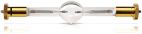
Discharge lamps

Professional Discharge Lamps for Events and Stage: Discharge lamps remain the backbone of professional stage and event lighting where high luminous intensity, precise colour rendering and reliable performance are non-negotiable. Whether you're illuminating a festival stage, a corporate event or a touring production, discharge lamp technology delivers the punch and beam quality that LED alternatives still struggle to match in certain applications. At LTT, you'll find a comprehensive range of metal halide...
Read more »
Discharge lamps
Close window
Discharge lamps

Professional Discharge Lamps for Events and Stage

Discharge lamps remain the backbone of professional stage and event lighting where high luminous intensity, precise colour rendering and reliable performance are non-negotiable. Whether you're illuminating a festival stage, a corporate event or a touring production, discharge lamp technology delivers the punch and beam quality that LED alternatives still struggle to match in certain applications. At LTT, you'll find a comprehensive range of metal halide lamps, high-pressure sodium systems and complete ballast solutions from leading manufacturers including Osram, Philips, GE and specialist brands trusted by touring professionals worldwide.

Discharge lamps generate light through an electrical arc between two electrodes inside a pressurised gas-filled tube. This fundamental principle produces exceptionally high luminous flux from a compact source — a 400 W metal halide lamp can deliver over 30,000 lumens with a colour temperature of 4,000 K, making it ideal for long-throw applications and moving-head fixtures. You benefit from proven technology that has powered countless productions, backed by LTT's 3-year warranty and expert technical support.

Whether you need replacement lamps for existing fixtures, ballasts and ignitors for new installations, or advice on the right wattage and colour temperature for your venue, LTT is your specialist partner. We ship worldwide from our warehouse in Bocholt, Germany, with free delivery on orders over €69 and express options available when you need lamps on-site fast.

What Are Discharge Lamps and How Do They Work?

Discharge lamps — also known as high-intensity discharge (HID) lamps or gas discharge lamps — produce light by creating an electrical arc between two electrodes (anode and cathode) inside a sealed tube filled with gas or metal vapour. Unlike incandescent bulbs that heat a filament, discharge lamps ionise the gas mixture, causing it to emit intense ultraviolet and visible radiation. This radiation either exits directly as visible light or is converted by a phosphor coating on the inner tube wall.

The operating pressure inside the discharge tube determines the lamp type. Low-pressure discharge lamps such as fluorescent tubes operate at near-atmospheric pressure and produce diffuse, energy-efficient light suitable for general illumination. High-pressure discharge lamps — the category most relevant for event technology — operate at several atmospheres and include metal halide (MH), high-pressure sodium (HPS) and mercury vapour lamps. These HID systems generate extremely high luminous flux from a small arc, creating the intense, directional beams essential for stage lighting, followspots and moving heads.

Metal halide lamps contain a mixture of mercury and metal halides (typically sodium, scandium or rare-earth compounds) that vaporise during operation, producing a broad spectrum with excellent colour rendering (CRI 65–95) and colour temperatures from 3,000 K to 6,500 K. High-pressure sodium lamps emit a characteristic warm yellow-orange light (2,000–2,500 K) with very high efficacy, though their poor colour rendering limits them to architectural floodlighting and outdoor events where colour accuracy is less critical.

Every discharge lamp requires a ballast to limit current flow once the arc strikes, and most HID types need an ignitor to generate the high-voltage pulse (2–5 kV) that initiates the arc. Modern electronic ballasts offer silent operation, flicker-free performance and often dimming capability, while traditional magnetic (electromagnetic) ballasts remain common in older fixtures. Understanding this interplay between lamp, ballast and ignitor is crucial when specifying replacement components or designing new installations.

Applications in Professional Event Production

Discharge lamps excel in applications where high output, long throw distances and compact source size are paramount. Moving-head fixtures — the workhorses of modern stage lighting — almost universally use metal halide discharge lamps in the 150 W to 1,200 W range. The small, intensely bright arc allows designers to create sharp gobos, tight beams and vivid aerial effects that remain visible even in large venues with high ambient light. Touring productions rely on discharge lamp moving heads because they deliver consistent colour and output night after night, with lamp lives of 750–2,000 hours depending on type and operating mode.

Followspots for theatre, concerts and live events typically use 1,000 W to 4,000 W metal halide or xenon discharge lamps to project a bright, controllable beam across distances of 30–100 metres. The high colour temperature (5,600–6,500 K for xenon, 4,000–6,000 K for metal halide) ensures that performers are lit with daylight-quality illumination that renders skin tones and costumes accurately.

Architectural and venue lighting often employs high-pressure sodium or metal halide discharge lamps in the 250 W to 1,000 W range for floodlighting facades, stages and outdoor events. While LED technology is gaining ground, discharge lamps still offer superior lumen-per-euro value for large-scale installations where colour rendering is less critical. Festival stages, corporate events and temporary structures benefit from the proven reliability and high output of HID systems.

Truss-mounted fixtures in touring rigs must meet strict safety standards. Discharge lamps and their housings are subject to DGUV Vorschrift 17 (formerly BGV C1) regulations in Germany, which mandate regular inspection and proper rigging practices. When mounting heavy discharge fixtures on aluminium truss — such as Naxpro-Truss FD31 or HD31 systems — always verify the working load limit (WLL) and use certified Riggatec rigging hardware. A typical 575 W moving head weighs 20–35 kg; ensure your truss and clamps are rated accordingly and that all rigging is inspected by a qualified technician.

Choosing the Right Wattage, Colour Temperature and Lamp Type

Selecting the correct discharge lamp begins with understanding your application's demands. Wattage determines luminous output: a 150 W metal halide lamp produces approximately 10,000–13,000 lumens, suitable for small to medium venues and club installations. A 250 W lamp yields 18,000–22,000 lumens, ideal for mid-sized stages and mobile DJ setups. The 400 W class (30,000–36,000 lumens) is the sweet spot for professional touring moving heads and medium-throw followspots. High-power 575 W, 700 W and 1,200 W lamps deliver 45,000–110,000 lumens for large venues, outdoor festivals and long-throw applications.

Colour temperature affects the visual atmosphere and how colours render on stage. Metal halide lamps are available in several colour temperatures: 3,000 K (warm white) suits theatrical productions and intimate events, 4,000 K (neutral white) is the industry standard for general stage lighting, offering good colour rendering and output, while 5,600–6,500 K (daylight) matches natural sunlight and is preferred for film, broadcast and applications requiring accurate colour reproduction. High-pressure sodium lamps (2,000–2,500 K) produce a warm amber glow suitable only for decorative or architectural effects where colour fidelity is unimportant.

Lamp base and socket type must match your fixture. Common bases include G12 (single-ended, used in many moving heads), E40 (Edison screw, common in architectural fixtures), Fc2 (double-ended, used in followspots) and proprietary bases for specific manufacturer fixtures. Always verify the exact lamp code — manufacturers like Osram, Philips and GE use alphanumeric designations (e.g. Osram HMI 575 W/SEL, Philips MSR Gold 700 SA) that specify wattage, base, colour temperature and performance class.

Pulse-start versus probe-start technology: Modern metal halide lamps increasingly use pulse-start ignition, which delivers faster warm-up (2–3 minutes to 90% output versus 5–10 minutes for probe-start), better lumen maintenance over lamp life and improved colour stability. Pulse-start lamps require compatible electronic ballasts; older magnetic ballasts designed for probe-start lamps cannot reliably ignite pulse-start types. When replacing lamps in existing fixtures, always check whether your ballast supports the new lamp technology — LTT's technical team can advise on compatibility and upgrade paths.

Ballasts, Ignitors and Control Gear Requirements

Every discharge lamp requires a ballast to regulate current once the arc is established. Without a ballast, the lamp would draw excessive current, overheat and fail within seconds. Magnetic (electromagnetic) ballasts use a heavy iron-core inductor to limit current; they are robust, long-lived and inexpensive, but generate audible hum (50 Hz mains frequency), produce flicker visible on camera and cannot dim the lamp. Magnetic ballasts remain common in older architectural fixtures and budget moving heads.

Electronic ballasts use high-frequency switching circuits (20–50 kHz) to regulate lamp current, offering silent operation, flicker-free light (essential for video and broadcast), reduced weight and often built-in dimming capability. High-quality electronic ballasts from manufacturers like Philips (PrimaVision, DynaVision), Osram and Venture Lighting can dim metal halide lamps down to 50–70% output without significant colour shift, though dimming below this threshold causes the arc to become unstable. Electronic ballasts cost more initially but save energy, reduce fixture weight and extend lamp life through optimised starting and running conditions.

Most HID lamps also require an ignitor (also called a starter or ignition unit) to generate the high-voltage pulse (typically 2–5 kV for metal halide, up to 20 kV for some xenon lamps) that ionises the gas and initiates the arc. Ignitors can be separate modules or integrated into the ballast. Pulse-start lamps use a brief, high-voltage pulse and do not require a starting electrode inside the lamp, resulting in faster warm-up and better performance. Probe-start lamps use a third electrode and a lower ignition voltage but take longer to reach full output.

Compatibility and Safety

Always match the ballast to the lamp wattage and type. A 400 W ballast designed for metal halide cannot safely operate a 250 W lamp or a high-pressure sodium lamp. Mismatched ballasts cause premature lamp failure, reduced output and potential safety hazards. When replacing a failed ballast, note the lamp type (MH, HPS, mercury vapour), wattage, and whether the lamp is pulse-start or probe-start. LTT stocks ballasts and ignitors from leading manufacturers, ensuring you get the correct control gear for your fixtures.

Installation must comply with local electrical codes and DGUV Vorschrift 17 where applicable. Ballasts generate heat and must be mounted with adequate ventilation. High-voltage ignition pulses can cause electromagnetic interference; use shielded cables and route lamp leads away from audio and DMX signal cables. If you're integrating discharge lamps into a DMX-controlled lighting system, ensure your ballast or fixture controller supports the required protocol — most modern moving heads handle this internally, but retrofit installations may need external DMX-to-ballast interfaces.

Lamp Life, Warm-Up Time and Maintenance for Professional Use

Discharge lamps do not fail suddenly like incandescent bulbs; instead, their output gradually declines over their rated life. A typical metal halide lamp is rated for 750–2,000 hours, depending on type and operating conditions. Rated lamp life is defined as the point at which 50% of a test batch has failed or when lumen output has dropped to 70% of initial value — whichever comes first. In practice, this means a 1,000-hour lamp may still light after 1,200 hours, but its output and colour temperature will have shifted noticeably.

Warm-up time is a critical consideration for live events. Metal halide lamps require 2–10 minutes to reach full output after ignition, as the metal halides must vaporise and stabilise. Pulse-start lamps warm up faster (2–3 minutes to 90% output) than probe-start types (5–10 minutes). Once extinguished, a hot discharge lamp cannot immediately restrike; the arc tube must cool for 5–15 minutes before the ignitor can re-establish the arc. This restrike time is a major limitation in applications requiring instant on/off control — one reason why LED moving heads are replacing discharge types in some touring rigs.

Lumen maintenance varies by lamp type. High-quality metal halide lamps from Osram, Philips and GE maintain 70–80% of initial output at rated life, while budget lamps may drop to 60% or lower. High-pressure sodium lamps have excellent lumen maintenance (80–90% at end of life) but their colour rendering is too poor for most stage applications. To maximise lamp life, avoid frequent on/off cycling — each start consumes roughly 15 minutes of rated life. Use fixtures with electronic ballasts that provide controlled, low-stress ignition.

Maintenance Schedule for Touring and Rental Applications

Professional touring companies and rental houses should implement a lamp tracking system to record operating hours for each fixture. Replace lamps at 70–80% of rated life to avoid on-stage failures and maintain consistent output across your rig. Inspect lamp sockets and connectors for corrosion or carbon buildup, which increases contact resistance and causes premature failure. Clean reflectors and lenses regularly — dust and haze residue can reduce output by 20–30%.

When handling discharge lamps, never touch the quartz arc tube with bare hands; skin oils cause hot spots that lead to tube failure. Use lint-free gloves or hold the lamp by its base. Store spare lamps in their original packaging to protect them from mechanical shock. Dispose of failed lamps according to local regulations — metal halide and high-pressure sodium lamps contain mercury and must not be discarded with general waste.

LTT – Your Specialist for Event Technology

LTT has been the trusted partner for professional event technicians, touring companies and venue operators for over 25 years. As both a specialist retailer and manufacturer with our own production facility in Germany, we understand the demands of live events where reliability, performance and fast delivery are non-negotiable. Our discharge lamp range includes metal halide, high-pressure sodium and complete ballast solutions from industry-leading brands including Osram, Philips, GE, Venture Lighting and specialist manufacturers trusted by professionals worldwide.

Every discharge lamp and ballast at LTT is backed by our 3-year warranty, and we offer free shipping on orders over €69 with express delivery options when you need components on-site urgently. Our international shipping network ensures that touring productions and overseas customers receive their lamps quickly and reliably, no matter where the show takes you. For resellers and rental companies, we provide wholesale pricing and dedicated account management.

Beyond discharge lamps, LTT is your complete source for professional event technology. Our Naxpro-Truss aluminium truss systems, Riggatec rigging hardware and Bullstage modular staging are designed and manufactured in Germany to the highest standards, meeting DGUV Vorschrift 17 and EN 1090 requirements. Whether you're building a festival main stage, rigging a corporate event or equipping a permanent installation, LTT delivers the quality, expertise and support that set the stage for impressive results.

Explore our full range of lighting, rigging and stage technology — and experience the LTT difference.

FAQ – Questions & Answers

What wattage discharge lamp do I need for my venue?

The required wattage for a discharge lamp depends on your venue size, throw distance and application. For small clubs and mobile DJ setups, 150 W to 250 W metal halide lamps (10,000–22,000 lumens) are typically sufficient. Medium-sized stages and corporate events benefit from 400 W lamps (30,000–36,000 lumens), which are the industry standard for professional moving heads. Large venues, outdoor festivals and long-throw followspots require 575 W to 1,200 W lamps (45,000–110,000 lumens). Calculate your required lux level at the target distance and consult fixture photometric data to determine the appropriate wattage. LTT's technical team can advise on lamp selection for your specific application.

How do discharge lamps compare to LED alternatives?

Discharge lamps and LED fixtures each have distinct advantages. Discharge lamps — particularly metal halide types — deliver higher peak intensity from a compact source, creating sharper beams and more vivid aerial effects, which is why they remain preferred for large-scale touring productions and long-throw applications. They also offer superior colour rendering (CRI 80–95 for quality metal halide lamps) compared to many LED fixtures. However, LED technology has advanced rapidly: modern LED moving heads eliminate warm-up and restrike delays, consume less power, generate less heat and have much longer lifespans (20,000–50,000 hours versus 750–2,000 hours for discharge lamps). For applications requiring instant on/off control, low power consumption or minimal maintenance, LED is often the better choice. For maximum punch and traditional beam quality, discharge lamps still lead.

What ballast is compatible with my discharge lamp?

Ballast compatibility depends on three factors: lamp wattage, lamp type (metal halide, high-pressure sodium or mercury vapour) and ignition technology (pulse-start or probe-start). A ballast designed for a 400 W metal halide lamp cannot safely operate a 250 W lamp or a high-pressure sodium lamp of any wattage. Additionally, pulse-start lamps require electronic ballasts with pulse-start ignition circuits; older magnetic ballasts designed for probe-start lamps will not reliably ignite pulse-start types. Always check the lamp manufacturer's datasheet for recommended ballast specifications, and verify that the ballast voltage and frequency match your mains supply. LTT stocks compatible ballasts and ignitors from Philips, Osram and Venture Lighting, and our technical team can confirm compatibility for your specific fixture.

How long is the warm-up time for discharge lamps?

Metal halide discharge lamps typically require 2 to 10 minutes to reach full luminous output after ignition, depending on the lamp type and ballast. Pulse-start metal halide lamps with modern electronic ballasts warm up fastest, reaching 90% output in 2–3 minutes. Older probe-start lamps with magnetic ballasts may take 5–10 minutes to stabilise. High-pressure sodium lamps warm up slightly faster (1–3 minutes) but are rarely used in stage lighting due to poor colour rendering. Once extinguished, a hot discharge lamp cannot immediately restrike; the arc tube must cool for 5–15 minutes before the ignitor can re-establish the arc. This restrike delay is a significant limitation in live event applications where instant on/off control is required, and it is one reason why LED moving heads are increasingly replacing discharge types in touring rigs.

What is the difference between pulse-start and probe-start discharge lamps?

Pulse-start and probe-start refer to the ignition method used to initiate the electrical arc in a metal halide discharge lamp. Probe-start lamps contain a third starting electrode inside the arc tube and require a lower ignition voltage (1–2 kV); they take longer to warm up (5–10 minutes) and exhibit more colour shift over their lifespan. Pulse-start lamps eliminate the starting electrode and use a brief, high-voltage pulse (3–5 kV) to ionise the gas; they warm up faster (2–3 minutes to 90% output), maintain more stable colour temperature and offer better lumen maintenance over their rated life. Pulse-start technology requires compatible electronic ballasts — older magnetic ballasts designed for probe-start lamps cannot reliably ignite pulse-start types. When replacing lamps, always verify that your ballast supports the ignition technology of the new lamp.

Which discharge lamp suits outdoor events and architectural lighting?

For outdoor events and architectural floodlighting, high-pressure sodium (HPS) lamps in the 250 W to 1,000 W range offer the highest efficacy (80–140 lumens per watt) and excellent lumen maintenance, making them cost-effective for large-scale installations where colour rendering is not critical. Their warm yellow-orange light (2,000–2,500 K) suits decorative facade lighting and outdoor festivals. Where accurate colour reproduction is required — such as lighting performers, stages or branded installations — metal halide lamps are the better choice. A 400 W metal halide lamp delivers 30,000–36,000 lumens with a colour rendering index (CRI) of 65–90 and colour temperatures from 3,000 K to 6,500 K. Ensure outdoor fixtures have appropriate IP ratings (IP65 or higher) and that all electrical installations comply with local codes and DGUV Vorschrift 17 where applicable.

How often should I replace discharge lamps in touring fixtures?

Professional touring companies and rental houses should replace discharge lamps at 70–80% of their rated lamp life to maintain consistent output and avoid on-stage failures. A lamp rated for 1,000 hours should be replaced after 700–800 operating hours, even if it still lights. Implement a lamp tracking system that records operating hours for each fixture, and mark lamps with installation dates. Lamps used in high-vibration environments (truck-mounted fixtures, outdoor festivals) or subjected to frequent on/off cycling may fail earlier than their rated life. Inspect lamp sockets and connectors regularly for corrosion or carbon buildup, which increases contact resistance and accelerates failure. Keep spare lamps on hand for critical fixtures, and always test replacements before the show. Proper maintenance ensures reliable performance night after night.

Can I dim a metal halide discharge lamp with a standard dimmer?

No, you cannot dim a metal halide discharge lamp using a standard phase-control dimmer designed for incandescent or halogen lamps. Discharge lamps require constant current to maintain the arc; reducing voltage with a conventional dimmer causes the arc to become unstable or extinguish completely. To dim a metal halide lamp, you must use an electronic ballast with built-in dimming capability, such as Philips DynaVision or Osram Powertronic models. These ballasts can dim metal halide lamps down to 50–70% of full output while maintaining arc stability, though some colour shift may occur at lower levels. Dimming below 50% is generally not recommended as the arc becomes unreliable. Most professional moving-head fixtures with discharge lamps use mechanical shutters or iris diaphragms for intensity control rather than electronic dimming, preserving colour consistency and arc stability.

Categories
215 Articles
Close filters
 
  •  
  •  
  •  
  •  
  •  
  •  
  •  
  •  
  •  
  •  
  •  
  •  
  •  
  •  
  •  
  •  
  •  
  •  
  •  
  •  
  •  
  •  
  •  
  •  
  •  
  •  
  •  
from to
from to
from to
from to
  •  
  •  
  •  
  •  
  •  
 
  •  
  •  
  •  
  •  
  •  
from to
  •  
  •  
9 From 9 pages
No results were found for the filter!
Osram NAV-E 70 W SUPER 4Y
OSRAM VIALOX® NAV®-E SUPER 4Y® 70 W SUPER 4Y
High-pressure sodium vapor lamps for open and enclosed luminaires. Product features: Lamp survival factor: 95 % after 16,000 h burning time • Lamp maintenance factor: = 80 % after 16,000 h...
€9.56 *
incl. tax, plus shipping costs
Availability:
Currently not available
OSRAM HSD-150/70 G12
HSD-150/70 G12 Osram Discharge Lamp 150 W
Discharge Lamp 150 W : Light Source Type: Discharge • Light Source Power: 150 W • Light Socket: G12 • CCT: 7500 K • Dimmable: No • Power Supply: 95 VAC • Power...
€103.07 *
incl. tax, free shipping to Germany
[International shipping costs]
Availability:
Currently not available
Osram SHARXS HTI 700 W/D4/75  SFc10-4
Osram SHARXS HTI 700 W/D4/75 SFc10-4
Safety advice Because of their high luminance, UV radiation and high internal pressure during operation, Baby SharXS HTI, SharXS HTI and Maxi SharXS HTI lamps may only be operated in enclosed lamp...
€169.00 *
incl. tax, free shipping to Germany
[International shipping costs]
Availability:
Not in stock
Delivery time: approx. 2 weeks
Osram HMI 2500 W/S XS SFa21-12
OSRAM HMI 2500 W/S XS SFa21-12
Safety advice Because of their high luminance, UV radiation and high internal pressure during operation, HMI lamps may only be operated in enclosed lamp casings specially constructed for the...
€631.39 *
incl. tax, free shipping to Germany
[International shipping costs]
Availability:
Not in stock
Delivery time: approx. 2 weeks
Osram Baby SharXS HTI 250 W/D5/80, SFc10-4
Osram Baby SharXS HTI 250 W/D5/80
High average luminance (30…50 kcd/cm2) • Product features Color temperature: approx. 6,000 K (Daylight) • Hot restart capability • AC current • Average life:...
€139.91 *
incl. tax, free shipping to Germany
[International shipping costs]
Availability:
Not in stock
Delivery time: approx. 2 weeks
Osram Lok-it! HTI 1500 W/60/P50
Lamp and holder from a single source • Rapid relamping with bayonet lock • Product features eXtreme Seal technology for discharge lamps • Safety advice Because of their high...
€240.00 *
incl. tax, free shipping to Germany
[International shipping costs]
Availability:
Currently not available;
Article is coming soon
Currently not available
Osram SHARXS HTI 700 W/D4/60 SFc10-4
Safety advice Because of their high luminance, UV radiation and high internal pressure during operation, Baby SharXS HTI, SharXS HTI and Maxi SharXS HTI lamps may only be operated in enclosed lamp...
€139.00 *
incl. tax, free shipping to Germany
[International shipping costs]
Availability:
Not in stock
Delivery time: approx. 2 weeks
Osram SIRIUS HRI 330 W 2X1 Entladungslampe
Osram SIRIUS HRI 330 W
High luminance due to very short arc and high internal pressure • Bright light for brilliant light effects • Long lifetime • Lightweight and compact reflector lamps with ECG...
€185.00 *
incl. tax, free shipping to Germany
[International shipping costs]
Availability:
Not in stock
Delivery time: approx. 2 weeks
Osram SIRIUS HRI 330 W XL 2X1 Entladungslampe
Osram SIRIUS HRI 330 W XL 2X1
High luminance due to very short arc and high internal pressure • Bright light for brilliant light effects • Long lifetime • Lightweight and compact reflector lamps with ECG...
€257.47 *
incl. tax, free shipping to Germany
[International shipping costs]
Availability:
Not in stock
Delivery time: approx. 2 weeks
OSRAM HMI DIGITAL 575W
Rated voltage: 95,0 V • Burning voltage: 95 V • Rated current: 7 A • Rated power: 575 W • Photometric data • Nominal luminous flux: 49000 lm • Color temperature: 6400...
€84.90 *
incl. tax, free shipping to Germany
[International shipping costs]
Availability:
Not in stock
Delivery time: approx. 2 weeks
OSRAM HMI DIGITAL 1800W
Rated voltage: 140 V • Burning voltage: 140 V • Rated current: 12,9 A • Rated power: 1800 W • Photometric data • Nominal luminous flux: 165000 lm • Color temperature:...
€248.68 *
incl. tax, free shipping to Germany
[International shipping costs]
Availability:
Not in stock
Delivery time: approx. 2 weeks
OSRAM HMI DIGITAL 4000W
Rated voltage: 200 V • Burning voltage: 200 V • Rated current: 24,0 A • Rated power: 4000 W • Photometric data • Nominal luminous flux: 380000 lm • Color temperature:...
€264.62 *
incl. tax, free shipping to Germany
[International shipping costs]
Availability:
Not in stock
Delivery time: approx. 2 weeks
Philips E27 SON Pro 70W-I
Natriumdampf-Hochdrucklampe SON-I Pro • Artikelnr 18186230 • Hersteller Philips Licht • Artikelbezeichnung Entladungslampe • Typen-Bezeichnung SON Pro 70W-I...
€19.75 *
incl. tax, plus shipping costs
Availability:
Currently not available
Philips MASTER CosmoWhite CPO-TW Xtra 60W/728 PGZ12
Cap-Base: PGZ12 [ PGZ12] • Operating Position: UNIVERSAL [ Any or Universal (U)] • Life to 5% Failures (Nom): 21500 h • Life to 10% Failures (Nom): 24000 h • Life to 20%...
€83.34 *
incl. tax, free shipping to Germany
[International shipping costs]
Availability:
Currently not available
Philips MASTER CosmoWhite CPO-TW Xtra 90W/728 PGZ12
Cap-Base: PGZ12 [ PGZ12] • Operating Position: UNIVERSAL [ Any or Universal (U)] • Life to 5% Failures (Nom): 21500 h • Life to 10% Failures (Nom): 24000 h • Life to 20%...
€74.75 *
incl. tax, free shipping to Germany
[International shipping costs]
Availability:
Currently not available
OMNILUX 230V/2000W GY-16 400h 3200K
Dimmable • Very high color rendering index (CRI) • Operating voltage: 230, 220 - 240 V • Nominal wattage: 2000 W • Base: GY16 • Lamp type: Incandescent lamp; halogen lamp...
€26.90 *
incl. tax, plus shipping costs
Availability:
Currently not available
SYLVANIA BA575/2SE NHR 575W GX-9,5 8500K
SYLVANIA BA575/2SE NHR 575W GX-9.5 8500K
Made in Europe • Base: GX-9.5 • Voltage: 95 V • Lamp current: 6.95 A • Nominal wattage: 575 W • Life: 1000 h • Color temperature: 8500 K • Luminous flux: 44000 lm...
€94.90 *
incl. tax, free shipping to Germany
[International shipping costs]
Availability:
Currently not available
OMNILUX CDM-T 150W/830 G12 3000K
OMNILUX CDM-T 150W/830 G-12 3000K
Very high color rendering index (CRI) • Operating voltage: 198 • Nominal wattage: 150 W • Base: G-12 • Lamp type: Discharge lamp • Color temperature: 3000K • Color...
€26.00 *
incl. tax, plus shipping costs
Availability:
Currently not available
OMNILUX ODM 150W G-12 6000h 6400K
Discharge lamp Low power consumption • Easy handling • Voltage (lamps): 90 V • Nominal wattage: 150 W • Base: G-12 • Lamp type: Discharge lamp • Color temperature:...
€21.90 *
incl. tax, plus shipping costs
Availability:
Currently not available
beamZ 7R Ersatzbirne 230W
beamZ 7R Replacement Bulb 230W
This 7R, high-end reflector lamp, produces a sparkling, bright light that eliminates shadows and reproduces brilliant and vivid colour. These benefits can be enjoyed over the 1,500 hours lifetime....
€189.95 * €99.00 *
incl. tax, free shipping to Germany
[International shipping costs]
Availability:
Currently not available
beamZ 2R Ersatzbirne
beamZ 2R Replacement Bulb
This 2R, high-end reflector lamp, produces a sparkling, bright light that eliminates shadows and reproduces brilliant and vivid color. The light output is equivalent to an MSD lamp of 300W, yet...
€149.95 *
incl. tax, free shipping to Germany
[International shipping costs]
Availability:
Currently not available
OSRAM VIALOX® NAV®-T SUPER 4Y® 50…400 W 50 W SUPER 4Y
High-pressure sodium vapor lamps for open and enclosed luminaires. Product features: Lamp survival factor: 95 % after 16,000 h burning time • Lamp maintenance factor: = 80 % after 16,000 h...
€10.59 *
incl. tax, plus shipping costs
Availability:
Currently not available;
Article is coming soon
Currently not available
PHILIPS MASTER CityWh CDO-TT Plus 70W/942 E27
PHILIPS MASTER CityWh CDO-TT Plus 70W/942 E27 Ceramic metal halide Outdoor with clear tubular outer bulb : Length: 152 mm • Width: 35 mm • Height: 35 mm • Diameter: 35 mm...
€41.34 *
incl. tax, plus shipping costs
Availability:
Currently not available
9 From 9 pages
Facts
Professional Discharge Lamps for Events and Stage: Discharge lamps remain the backbone of professional stage and event lighting where high luminous intensity, precise colour rendering and reliable performance are non-negotiable. Whether you're illuminating a festival stage, a corporate event or a touring production, discharge lamp technology delivers the punch and beam quality that LED alternatives still struggle to match in certain... Read more »
Viewed
Facts

Professional Discharge Lamps for Events and Stage

Discharge lamps remain the backbone of professional stage and event lighting where high luminous intensity, precise colour rendering and reliable performance are non-negotiable. Whether you're illuminating a festival stage, a corporate event or a touring production, discharge lamp technology delivers the punch and beam quality that LED alternatives still struggle to match in certain applications. At LTT, you'll find a comprehensive range of metal halide lamps, high-pressure sodium systems and complete ballast solutions from leading manufacturers including Osram, Philips, GE and specialist brands trusted by touring professionals worldwide.

Discharge lamps generate light through an electrical arc between two electrodes inside a pressurised gas-filled tube. This fundamental principle produces exceptionally high luminous flux from a compact source — a 400 W metal halide lamp can deliver over 30,000 lumens with a colour temperature of 4,000 K, making it ideal for long-throw applications and moving-head fixtures. You benefit from proven technology that has powered countless productions, backed by LTT's 3-year warranty and expert technical support.

Whether you need replacement lamps for existing fixtures, ballasts and ignitors for new installations, or advice on the right wattage and colour temperature for your venue, LTT is your specialist partner. We ship worldwide from our warehouse in Bocholt, Germany, with free delivery on orders over €69 and express options available when you need lamps on-site fast.

What Are Discharge Lamps and How Do They Work?

Discharge lamps — also known as high-intensity discharge (HID) lamps or gas discharge lamps — produce light by creating an electrical arc between two electrodes (anode and cathode) inside a sealed tube filled with gas or metal vapour. Unlike incandescent bulbs that heat a filament, discharge lamps ionise the gas mixture, causing it to emit intense ultraviolet and visible radiation. This radiation either exits directly as visible light or is converted by a phosphor coating on the inner tube wall.

The operating pressure inside the discharge tube determines the lamp type. Low-pressure discharge lamps such as fluorescent tubes operate at near-atmospheric pressure and produce diffuse, energy-efficient light suitable for general illumination. High-pressure discharge lamps — the category most relevant for event technology — operate at several atmospheres and include metal halide (MH), high-pressure sodium (HPS) and mercury vapour lamps. These HID systems generate extremely high luminous flux from a small arc, creating the intense, directional beams essential for stage lighting, followspots and moving heads.

Metal halide lamps contain a mixture of mercury and metal halides (typically sodium, scandium or rare-earth compounds) that vaporise during operation, producing a broad spectrum with excellent colour rendering (CRI 65–95) and colour temperatures from 3,000 K to 6,500 K. High-pressure sodium lamps emit a characteristic warm yellow-orange light (2,000–2,500 K) with very high efficacy, though their poor colour rendering limits them to architectural floodlighting and outdoor events where colour accuracy is less critical.

Every discharge lamp requires a ballast to limit current flow once the arc strikes, and most HID types need an ignitor to generate the high-voltage pulse (2–5 kV) that initiates the arc. Modern electronic ballasts offer silent operation, flicker-free performance and often dimming capability, while traditional magnetic (electromagnetic) ballasts remain common in older fixtures. Understanding this interplay between lamp, ballast and ignitor is crucial when specifying replacement components or designing new installations.

Applications in Professional Event Production

Discharge lamps excel in applications where high output, long throw distances and compact source size are paramount. Moving-head fixtures — the workhorses of modern stage lighting — almost universally use metal halide discharge lamps in the 150 W to 1,200 W range. The small, intensely bright arc allows designers to create sharp gobos, tight beams and vivid aerial effects that remain visible even in large venues with high ambient light. Touring productions rely on discharge lamp moving heads because they deliver consistent colour and output night after night, with lamp lives of 750–2,000 hours depending on type and operating mode.

Followspots for theatre, concerts and live events typically use 1,000 W to 4,000 W metal halide or xenon discharge lamps to project a bright, controllable beam across distances of 30–100 metres. The high colour temperature (5,600–6,500 K for xenon, 4,000–6,000 K for metal halide) ensures that performers are lit with daylight-quality illumination that renders skin tones and costumes accurately.

Architectural and venue lighting often employs high-pressure sodium or metal halide discharge lamps in the 250 W to 1,000 W range for floodlighting facades, stages and outdoor events. While LED technology is gaining ground, discharge lamps still offer superior lumen-per-euro value for large-scale installations where colour rendering is less critical. Festival stages, corporate events and temporary structures benefit from the proven reliability and high output of HID systems.

Truss-mounted fixtures in touring rigs must meet strict safety standards. Discharge lamps and their housings are subject to DGUV Vorschrift 17 (formerly BGV C1) regulations in Germany, which mandate regular inspection and proper rigging practices. When mounting heavy discharge fixtures on aluminium truss — such as Naxpro-Truss FD31 or HD31 systems — always verify the working load limit (WLL) and use certified Riggatec rigging hardware. A typical 575 W moving head weighs 20–35 kg; ensure your truss and clamps are rated accordingly and that all rigging is inspected by a qualified technician.

Choosing the Right Wattage, Colour Temperature and Lamp Type

Selecting the correct discharge lamp begins with understanding your application's demands. Wattage determines luminous output: a 150 W metal halide lamp produces approximately 10,000–13,000 lumens, suitable for small to medium venues and club installations. A 250 W lamp yields 18,000–22,000 lumens, ideal for mid-sized stages and mobile DJ setups. The 400 W class (30,000–36,000 lumens) is the sweet spot for professional touring moving heads and medium-throw followspots. High-power 575 W, 700 W and 1,200 W lamps deliver 45,000–110,000 lumens for large venues, outdoor festivals and long-throw applications.

Colour temperature affects the visual atmosphere and how colours render on stage. Metal halide lamps are available in several colour temperatures: 3,000 K (warm white) suits theatrical productions and intimate events, 4,000 K (neutral white) is the industry standard for general stage lighting, offering good colour rendering and output, while 5,600–6,500 K (daylight) matches natural sunlight and is preferred for film, broadcast and applications requiring accurate colour reproduction. High-pressure sodium lamps (2,000–2,500 K) produce a warm amber glow suitable only for decorative or architectural effects where colour fidelity is unimportant.

Lamp base and socket type must match your fixture. Common bases include G12 (single-ended, used in many moving heads), E40 (Edison screw, common in architectural fixtures), Fc2 (double-ended, used in followspots) and proprietary bases for specific manufacturer fixtures. Always verify the exact lamp code — manufacturers like Osram, Philips and GE use alphanumeric designations (e.g. Osram HMI 575 W/SEL, Philips MSR Gold 700 SA) that specify wattage, base, colour temperature and performance class.

Pulse-start versus probe-start technology: Modern metal halide lamps increasingly use pulse-start ignition, which delivers faster warm-up (2–3 minutes to 90% output versus 5–10 minutes for probe-start), better lumen maintenance over lamp life and improved colour stability. Pulse-start lamps require compatible electronic ballasts; older magnetic ballasts designed for probe-start lamps cannot reliably ignite pulse-start types. When replacing lamps in existing fixtures, always check whether your ballast supports the new lamp technology — LTT's technical team can advise on compatibility and upgrade paths.

Ballasts, Ignitors and Control Gear Requirements

Every discharge lamp requires a ballast to regulate current once the arc is established. Without a ballast, the lamp would draw excessive current, overheat and fail within seconds. Magnetic (electromagnetic) ballasts use a heavy iron-core inductor to limit current; they are robust, long-lived and inexpensive, but generate audible hum (50 Hz mains frequency), produce flicker visible on camera and cannot dim the lamp. Magnetic ballasts remain common in older architectural fixtures and budget moving heads.

Electronic ballasts use high-frequency switching circuits (20–50 kHz) to regulate lamp current, offering silent operation, flicker-free light (essential for video and broadcast), reduced weight and often built-in dimming capability. High-quality electronic ballasts from manufacturers like Philips (PrimaVision, DynaVision), Osram and Venture Lighting can dim metal halide lamps down to 50–70% output without significant colour shift, though dimming below this threshold causes the arc to become unstable. Electronic ballasts cost more initially but save energy, reduce fixture weight and extend lamp life through optimised starting and running conditions.

Most HID lamps also require an ignitor (also called a starter or ignition unit) to generate the high-voltage pulse (typically 2–5 kV for metal halide, up to 20 kV for some xenon lamps) that ionises the gas and initiates the arc. Ignitors can be separate modules or integrated into the ballast. Pulse-start lamps use a brief, high-voltage pulse and do not require a starting electrode inside the lamp, resulting in faster warm-up and better performance. Probe-start lamps use a third electrode and a lower ignition voltage but take longer to reach full output.

Compatibility and Safety

Always match the ballast to the lamp wattage and type. A 400 W ballast designed for metal halide cannot safely operate a 250 W lamp or a high-pressure sodium lamp. Mismatched ballasts cause premature lamp failure, reduced output and potential safety hazards. When replacing a failed ballast, note the lamp type (MH, HPS, mercury vapour), wattage, and whether the lamp is pulse-start or probe-start. LTT stocks ballasts and ignitors from leading manufacturers, ensuring you get the correct control gear for your fixtures.

Installation must comply with local electrical codes and DGUV Vorschrift 17 where applicable. Ballasts generate heat and must be mounted with adequate ventilation. High-voltage ignition pulses can cause electromagnetic interference; use shielded cables and route lamp leads away from audio and DMX signal cables. If you're integrating discharge lamps into a DMX-controlled lighting system, ensure your ballast or fixture controller supports the required protocol — most modern moving heads handle this internally, but retrofit installations may need external DMX-to-ballast interfaces.

Lamp Life, Warm-Up Time and Maintenance for Professional Use

Discharge lamps do not fail suddenly like incandescent bulbs; instead, their output gradually declines over their rated life. A typical metal halide lamp is rated for 750–2,000 hours, depending on type and operating conditions. Rated lamp life is defined as the point at which 50% of a test batch has failed or when lumen output has dropped to 70% of initial value — whichever comes first. In practice, this means a 1,000-hour lamp may still light after 1,200 hours, but its output and colour temperature will have shifted noticeably.

Warm-up time is a critical consideration for live events. Metal halide lamps require 2–10 minutes to reach full output after ignition, as the metal halides must vaporise and stabilise. Pulse-start lamps warm up faster (2–3 minutes to 90% output) than probe-start types (5–10 minutes). Once extinguished, a hot discharge lamp cannot immediately restrike; the arc tube must cool for 5–15 minutes before the ignitor can re-establish the arc. This restrike time is a major limitation in applications requiring instant on/off control — one reason why LED moving heads are replacing discharge types in some touring rigs.

Lumen maintenance varies by lamp type. High-quality metal halide lamps from Osram, Philips and GE maintain 70–80% of initial output at rated life, while budget lamps may drop to 60% or lower. High-pressure sodium lamps have excellent lumen maintenance (80–90% at end of life) but their colour rendering is too poor for most stage applications. To maximise lamp life, avoid frequent on/off cycling — each start consumes roughly 15 minutes of rated life. Use fixtures with electronic ballasts that provide controlled, low-stress ignition.

Maintenance Schedule for Touring and Rental Applications

Professional touring companies and rental houses should implement a lamp tracking system to record operating hours for each fixture. Replace lamps at 70–80% of rated life to avoid on-stage failures and maintain consistent output across your rig. Inspect lamp sockets and connectors for corrosion or carbon buildup, which increases contact resistance and causes premature failure. Clean reflectors and lenses regularly — dust and haze residue can reduce output by 20–30%.

When handling discharge lamps, never touch the quartz arc tube with bare hands; skin oils cause hot spots that lead to tube failure. Use lint-free gloves or hold the lamp by its base. Store spare lamps in their original packaging to protect them from mechanical shock. Dispose of failed lamps according to local regulations — metal halide and high-pressure sodium lamps contain mercury and must not be discarded with general waste.

LTT – Your Specialist for Event Technology

LTT has been the trusted partner for professional event technicians, touring companies and venue operators for over 25 years. As both a specialist retailer and manufacturer with our own production facility in Germany, we understand the demands of live events where reliability, performance and fast delivery are non-negotiable. Our discharge lamp range includes metal halide, high-pressure sodium and complete ballast solutions from industry-leading brands including Osram, Philips, GE, Venture Lighting and specialist manufacturers trusted by professionals worldwide.

Every discharge lamp and ballast at LTT is backed by our 3-year warranty, and we offer free shipping on orders over €69 with express delivery options when you need components on-site urgently. Our international shipping network ensures that touring productions and overseas customers receive their lamps quickly and reliably, no matter where the show takes you. For resellers and rental companies, we provide wholesale pricing and dedicated account management.

Beyond discharge lamps, LTT is your complete source for professional event technology. Our Naxpro-Truss aluminium truss systems, Riggatec rigging hardware and Bullstage modular staging are designed and manufactured in Germany to the highest standards, meeting DGUV Vorschrift 17 and EN 1090 requirements. Whether you're building a festival main stage, rigging a corporate event or equipping a permanent installation, LTT delivers the quality, expertise and support that set the stage for impressive results.

Explore our full range of lighting, rigging and stage technology — and experience the LTT difference.

FAQ – Questions & Answers

What wattage discharge lamp do I need for my venue?

The required wattage for a discharge lamp depends on your venue size, throw distance and application. For small clubs and mobile DJ setups, 150 W to 250 W metal halide lamps (10,000–22,000 lumens) are typically sufficient. Medium-sized stages and corporate events benefit from 400 W lamps (30,000–36,000 lumens), which are the industry standard for professional moving heads. Large venues, outdoor festivals and long-throw followspots require 575 W to 1,200 W lamps (45,000–110,000 lumens). Calculate your required lux level at the target distance and consult fixture photometric data to determine the appropriate wattage. LTT's technical team can advise on lamp selection for your specific application.

How do discharge lamps compare to LED alternatives?

Discharge lamps and LED fixtures each have distinct advantages. Discharge lamps — particularly metal halide types — deliver higher peak intensity from a compact source, creating sharper beams and more vivid aerial effects, which is why they remain preferred for large-scale touring productions and long-throw applications. They also offer superior colour rendering (CRI 80–95 for quality metal halide lamps) compared to many LED fixtures. However, LED technology has advanced rapidly: modern LED moving heads eliminate warm-up and restrike delays, consume less power, generate less heat and have much longer lifespans (20,000–50,000 hours versus 750–2,000 hours for discharge lamps). For applications requiring instant on/off control, low power consumption or minimal maintenance, LED is often the better choice. For maximum punch and traditional beam quality, discharge lamps still lead.

What ballast is compatible with my discharge lamp?

Ballast compatibility depends on three factors: lamp wattage, lamp type (metal halide, high-pressure sodium or mercury vapour) and ignition technology (pulse-start or probe-start). A ballast designed for a 400 W metal halide lamp cannot safely operate a 250 W lamp or a high-pressure sodium lamp of any wattage. Additionally, pulse-start lamps require electronic ballasts with pulse-start ignition circuits; older magnetic ballasts designed for probe-start lamps will not reliably ignite pulse-start types. Always check the lamp manufacturer's datasheet for recommended ballast specifications, and verify that the ballast voltage and frequency match your mains supply. LTT stocks compatible ballasts and ignitors from Philips, Osram and Venture Lighting, and our technical team can confirm compatibility for your specific fixture.

How long is the warm-up time for discharge lamps?

Metal halide discharge lamps typically require 2 to 10 minutes to reach full luminous output after ignition, depending on the lamp type and ballast. Pulse-start metal halide lamps with modern electronic ballasts warm up fastest, reaching 90% output in 2–3 minutes. Older probe-start lamps with magnetic ballasts may take 5–10 minutes to stabilise. High-pressure sodium lamps warm up slightly faster (1–3 minutes) but are rarely used in stage lighting due to poor colour rendering. Once extinguished, a hot discharge lamp cannot immediately restrike; the arc tube must cool for 5–15 minutes before the ignitor can re-establish the arc. This restrike delay is a significant limitation in live event applications where instant on/off control is required, and it is one reason why LED moving heads are increasingly replacing discharge types in touring rigs.

What is the difference between pulse-start and probe-start discharge lamps?

Pulse-start and probe-start refer to the ignition method used to initiate the electrical arc in a metal halide discharge lamp. Probe-start lamps contain a third starting electrode inside the arc tube and require a lower ignition voltage (1–2 kV); they take longer to warm up (5–10 minutes) and exhibit more colour shift over their lifespan. Pulse-start lamps eliminate the starting electrode and use a brief, high-voltage pulse (3–5 kV) to ionise the gas; they warm up faster (2–3 minutes to 90% output), maintain more stable colour temperature and offer better lumen maintenance over their rated life. Pulse-start technology requires compatible electronic ballasts — older magnetic ballasts designed for probe-start lamps cannot reliably ignite pulse-start types. When replacing lamps, always verify that your ballast supports the ignition technology of the new lamp.

Which discharge lamp suits outdoor events and architectural lighting?

For outdoor events and architectural floodlighting, high-pressure sodium (HPS) lamps in the 250 W to 1,000 W range offer the highest efficacy (80–140 lumens per watt) and excellent lumen maintenance, making them cost-effective for large-scale installations where colour rendering is not critical. Their warm yellow-orange light (2,000–2,500 K) suits decorative facade lighting and outdoor festivals. Where accurate colour reproduction is required — such as lighting performers, stages or branded installations — metal halide lamps are the better choice. A 400 W metal halide lamp delivers 30,000–36,000 lumens with a colour rendering index (CRI) of 65–90 and colour temperatures from 3,000 K to 6,500 K. Ensure outdoor fixtures have appropriate IP ratings (IP65 or higher) and that all electrical installations comply with local codes and DGUV Vorschrift 17 where applicable.

How often should I replace discharge lamps in touring fixtures?

Professional touring companies and rental houses should replace discharge lamps at 70–80% of their rated lamp life to maintain consistent output and avoid on-stage failures. A lamp rated for 1,000 hours should be replaced after 700–800 operating hours, even if it still lights. Implement a lamp tracking system that records operating hours for each fixture, and mark lamps with installation dates. Lamps used in high-vibration environments (truck-mounted fixtures, outdoor festivals) or subjected to frequent on/off cycling may fail earlier than their rated life. Inspect lamp sockets and connectors regularly for corrosion or carbon buildup, which increases contact resistance and accelerates failure. Keep spare lamps on hand for critical fixtures, and always test replacements before the show. Proper maintenance ensures reliable performance night after night.

Can I dim a metal halide discharge lamp with a standard dimmer?

No, you cannot dim a metal halide discharge lamp using a standard phase-control dimmer designed for incandescent or halogen lamps. Discharge lamps require constant current to maintain the arc; reducing voltage with a conventional dimmer causes the arc to become unstable or extinguish completely. To dim a metal halide lamp, you must use an electronic ballast with built-in dimming capability, such as Philips DynaVision or Osram Powertronic models. These ballasts can dim metal halide lamps down to 50–70% of full output while maintaining arc stability, though some colour shift may occur at lower levels. Dimming below 50% is generally not recommended as the arc becomes unreliable. Most professional moving-head fixtures with discharge lamps use mechanical shutters or iris diaphragms for intensity control rather than electronic dimming, preserving colour consistency and arc stability.

// Countdown for Black Deals