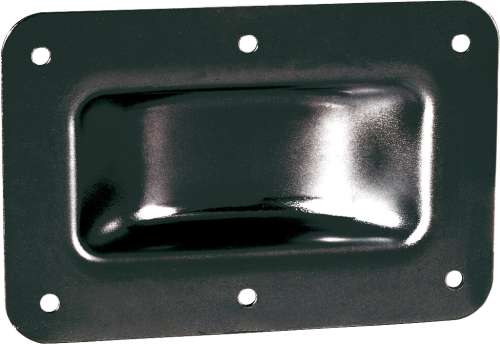
Handles

Professional Flight Case Handles – Robust Hardware for Stage Equipment: When you're building or equipping flight cases and racks for professional stage and event technology, the right handles make all the difference. At LTT, you'll find a comprehensive range of handles designed specifically for the demanding requirements of touring equipment, transport cases and 19-inch racks. Whether you need recessed handles for flush mounting, spring-loaded handles for ergonomic grip, or heavy-duty surface handles for...
Read more »
Handles
Close window
Handles

Professional Flight Case Handles – Robust Hardware for Stage Equipment

When you're building or equipping flight cases and racks for professional stage and event technology, the right handles make all the difference. At LTT, you'll find a comprehensive range of handles designed specifically for the demanding requirements of touring equipment, transport cases and 19-inch racks. Whether you need recessed handles for flush mounting, spring-loaded handles for ergonomic grip, or heavy-duty surface handles for maximum load capacity – our selection covers every application in the event technology sector. With over 25 years of experience in stage equipment, we know exactly what matters when it comes to professional case construction.

What Are Flight Case Handles and How Do They Work?

Handles for flight cases and racks are specialised hardware components that enable safe and ergonomic transport of professional stage equipment. Unlike standard furniture handles, these components are engineered to withstand the extreme stresses of touring life – from constant loading and unloading to vibration during transport and impact from stacking.

The fundamental design principle distinguishes between three main categories: recessed handles sit flush with the case surface when not in use, protecting them from damage and preventing snagging during transport. They typically feature a spring mechanism that allows the handle to fold out when needed. Surface-mounted handles are permanently fixed to the case exterior, offering the highest load capacity and most direct force transmission – ideal for heavy equipment racks. Spring-loaded handles combine the benefits of both worlds: they retract automatically after use but offer excellent grip ergonomics when deployed.

The construction typically involves aluminium or steel bodies with zinc plating or powder coating for corrosion resistance. Mounting is achieved through pre-drilled holes with specific bolt patterns – most professional handles use M6 or M8 threaded inserts that distribute load across the case panel. The load rating depends on material thickness, mounting method and handle geometry: professional-grade handles for touring cases typically support between 30 kg and 150 kg per handle, with some heavy-duty models rated even higher.

Material Science and Durability

The choice between aluminium and steel handles reflects different priorities: aluminium offers excellent weight-to-strength ratios and natural corrosion resistance, making it ideal for flight cases where every kilogram matters. Steel handles provide superior ultimate strength and are preferred for stationary racks or cases housing extremely heavy equipment like amplifier racks or lighting control systems. Surface treatments – whether zinc electroplating, powder coating or anodising – extend service life significantly in harsh touring environments where salt, moisture and temperature fluctuations are constant challenges.

Applications – Where Professional Handles Make the Difference

Professional handles are indispensable across the entire spectrum of event technology. In flight case construction, they enable safe transport of sensitive equipment – from DJ mixers and lighting controllers to delicate measurement instruments and video technology. The handles must withstand not only the static weight of the equipment but also the dynamic loads that occur during loading, stacking and transport over uneven surfaces.

For 19-inch racks, handles serve a dual purpose: they facilitate movement of heavy amplifier racks, server cabinets and effects processors, while also providing mounting points for rack accessories. Many touring professionals prefer recessed handles on the front panel to maintain a clean, professional appearance and prevent accidental activation of controls during transport. Side-mounted surface handles, by contrast, offer the grip strength needed when two technicians are manoeuvring a fully loaded rack weighing 80 kg or more.

In mobile DJ and band setups, handles are the interface between your valuable equipment and countless venue load-ins. Spring-loaded handles on mixer cases, for example, allow quick access while protecting the hardware during transport in vans or trailers. For trade fair and exhibition construction, robust handles on display cases and transport containers ensure that setup crews can work efficiently even under time pressure.

Integration with Complete Case Systems

Handles are just one element in a comprehensive case hardware system. They work in concert with corner protectors, butterfly latches, ball corners and edge profiles to create transport solutions that protect your investment over years of intensive use. When planning your case construction, consider how handle placement interacts with internal foam padding, cable management and equipment mounting – proper ergonomic design reduces physical strain and speeds up your workflow at every event.

Quality Criteria and Professional Standards – What Matters When Buying

When selecting handles for professional applications, several technical criteria determine whether a component will survive years of touring or fail prematurely. Load capacity is the primary specification: a handle rated for 50 kg should safely support that weight with an appropriate safety factor – typically 3:1 for professional equipment. This means the handle is tested to 150 kg before failure, providing confidence even under shock loads.

Material quality separates professional hardware from consumer-grade alternatives. Leading manufacturers like Adam Hall Hardware, Riggatec and Penn Elcom use high-grade aluminium alloys (typically 6061-T6 or similar) or cold-rolled steel with minimum 2 mm wall thickness. The difference is immediately apparent in weight, surface finish and mechanical precision – professional handles feature tight tolerances, smooth spring action and consistent mounting hole patterns.

Surface treatment directly affects service life. Zinc electroplating provides basic corrosion protection suitable for indoor use and occasional outdoor events. Powder coating offers superior durability and aesthetic options, with textured finishes providing better grip even with wet hands. Black powder-coated handles are particularly popular in professional touring because they maintain appearance despite heavy use and don't show minor scratches as readily as polished finishes.

Technical Specifications to Check

Before purchasing, verify the mounting pattern: hole spacing, bolt diameter and panel thickness compatibility. Most professional handles specify minimum panel thickness (typically 9 mm for standard cases, 12 mm for heavy-duty applications) and require specific bolt types – often M6 × 16 mm or M8 × 20 mm with large-diameter washers to distribute load. The spring mechanism in retractable handles should operate smoothly through at least 10,000 cycles without weakening – quality manufacturers test this rigorously.

Price ranges reflect these quality differences: basic recessed handles start around €3–5 per unit, mid-range professional handles with proven durability cost €8–15, while heavy-duty steel handles for extreme applications can reach €20–30. For a complete flight case, budget approximately €30–80 for handles depending on size and specification – a worthwhile investment when protecting equipment worth thousands.

Handle Types in Detail – Finding the Right Solution for Your Application

Understanding the specific characteristics of each handle type helps you make informed decisions for your case construction projects. Recessed spring-loaded handles are the workhorses of modern flight case design. They mount into a rectangular cutout in the case panel, sitting flush when not in use. The spring mechanism – typically a torsion spring or leaf spring design – provides enough tension to keep the handle retracted but allows easy deployment with a simple pull. These handles excel in applications where space efficiency matters: stacked cases in transport vehicles, equipment stored in tight spaces, or cases that must slide into custom racks.

The deployment angle is a critical specification often overlooked: handles that extend 90 degrees or more provide better leverage and more comfortable grip angles, especially when lifting from ground level. Quality models feature ergonomic grip profiles – either moulded plastic inserts or contoured metal surfaces that distribute pressure across your palm and reduce fatigue during extended load-ins.

Surface-mounted handles sacrifice the flush profile for maximum strength and simplicity. Bolted directly to the case exterior with visible fasteners, they offer the most direct load path and highest capacity. Two-point mounting (one bolt at each end) is standard for loads up to 60 kg; heavy-duty models use four-point mounting with reinforcement plates inside the case panel. These handles are preferred for amplifier racks, lighting dimmer cases and any application where weight exceeds 40 kg per case.

Specialised Handle Designs

For specific applications, specialised designs offer advantages: telescoping handles extend outward to provide leverage when moving large cases on wheels, then retract for compact storage. Folding handles rotate flat against the case surface rather than retracting into it, offering a compromise between flush mounting and surface strength. Cushioned grip handles feature rubber or foam sleeves that improve comfort during extended carrying – particularly valuable for cases carried by hand rather than rolled.

When building custom cases, consider handle positioning carefully: side handles should align with the case's centre of gravity for balanced lifting. For two-person carries, handles on opposite ends should be at the same height. Front-panel handles on rack cases are typically positioned in the top 4U to 6U for comfortable access without bending.

Installation and Mounting – Professional Techniques for Lasting Results

Proper installation is as important as handle quality for achieving professional results. The process begins with accurate marking: use the handle itself as a template, ensuring that mounting holes are precisely positioned and that the handle will sit square to the case edge. For recessed handles, the cutout dimensions are critical – too large and the handle rattles or pulls through under load; too tight and the spring mechanism binds.

Panel preparation depends on material: for plywood cases (typically 9 mm or 12 mm birch multiply), drill pilot holes slightly smaller than the bolt diameter to prevent splitting, then use a countersink bit on the interior surface to allow bolt heads or nuts to sit flush. For aluminium cases or rack panels, use stepped drill bits to create clean holes without burrs, and deburr all edges thoroughly to prevent injury and ensure the handle seats properly.

Fastener selection matters enormously: use bolts with large-diameter washers (minimum 20 mm diameter) on the interior to distribute load across a wider area of the panel. Nylon-insert lock nuts (Nylock) prevent loosening from vibration during transport. For critical applications, apply medium-strength threadlocker (Loctite 243 or equivalent) to ensure fasteners remain secure even after thousands of load cycles.

Load Distribution and Reinforcement

For handles supporting heavy loads (above 30 kg per handle), consider reinforcement plates: aluminium or steel plates on the interior surface, larger than the handle footprint, that spread load across a greater panel area. This is particularly important when mounting handles on thin panels or near panel edges where material strength is compromised. Some professional case builders use rivnuts (threaded inserts) rather than through-bolts, creating a cleaner interior and allowing handle replacement without interior access.

Testing after installation is essential: apply gradual load to each handle, checking for movement, creaking or panel flexing. A properly installed handle should show no movement at its rated load. If you observe panel deflection, add reinforcement before using the case – failure during transport can damage both equipment and personnel.

LTT – Your Specialist for Event Technology

At LTT, we understand that professional case construction demands more than just handles – it requires expertise, quality components and reliable supply. With over 25 years of experience in event technology, we've built our reputation by supporting professionals who demand the best. Our range includes handles from leading manufacturers alongside our own Riggatec brand, engineered specifically for the rigours of touring and live production.

Every handle in our catalogue is selected for professional applications – we don't stock consumer-grade hardware that won't survive a single tour. Whether you're building custom cases for a touring production, equipping a rental inventory, or maintaining existing flight cases, you'll find the right solution in our range. We ship worldwide from our facility in Bocholt, Germany, with free shipping on orders over €69 and express options when you're working to tight deadlines.

Our technical team knows case construction inside out – if you're unsure which handle type suits your application, or need advice on load calculations and reinforcement, we're here to help. We're not just a supplier; we're your partner in creating transport solutions that protect your investment and support your professional reputation. Discover the LTT difference: quality components, expert advice, and the service that keeps your projects moving forward.

Material Selection and Surface Treatments – Engineering for Durability

The material science behind professional handles directly determines their performance over years of intensive use. Aluminium alloys dominate the professional market because they offer an optimal balance of strength, weight and corrosion resistance. The most common alloy, 6061-T6, provides tensile strength around 310 MPa with excellent fatigue resistance – critical for handles subjected to repeated loading cycles. The T6 temper designation indicates solution heat treatment and artificial aging, processes that maximise strength while maintaining workability for precision machining.

For applications demanding maximum strength, steel handles are the professional choice. Cold-rolled steel with 2 mm to 3 mm wall thickness provides ultimate load capacity for heavy amplifier racks and equipment cases exceeding 100 kg total weight. The trade-off is weight: a steel handle typically weighs 2–3 times more than an equivalent aluminium design, adding up across a full case set but providing unmatched durability in extreme touring conditions.

Surface Engineering for Harsh Environments

Zinc electroplating is the baseline protection for steel components, providing a sacrificial barrier that corrodes preferentially to the base metal. Thickness specifications matter: professional-grade plating should meet 8–12 microns minimum for adequate protection in touring environments. Powder coating offers superior durability and aesthetic options – the thermally cured finish is significantly more resistant to chipping and scratching than conventional paint. Black textured powder coat is the industry standard for professional touring equipment because it maintains appearance despite heavy use and provides excellent grip even with damp hands.

Anodising for aluminium handles creates a hard oxide layer that's integral to the metal surface rather than a coating. Type II anodising (typically 10–25 microns) provides good corrosion and wear resistance; Type III hard anodising (50+ microns) offers exceptional durability for extreme applications. The process also allows colour options while maintaining the material's natural feel and thermal properties.

When specifying handles for outdoor events, marine applications or tropical climates, prioritise stainless steel (grade 304 or 316) or heavily anodised aluminium – the additional cost is justified by dramatically extended service life in corrosive environments.

FAQ – Questions & Answers

What types of handles are available for flight cases and racks?

Flight case handles come in three main types: recessed spring-loaded handles that sit flush with the case surface when not in use, protecting them during transport; surface-mounted handles that bolt directly to the case exterior and offer the highest load capacity (typically 60–150 kg); and folding handles that rotate flat against the surface. Recessed handles are ideal for stacked transport and space-efficient storage, while surface handles are preferred for heavy amplifier racks and equipment exceeding 40 kg. Spring-loaded mechanisms ensure recessed handles deploy easily when needed but stay protected during transport. Material options include aluminium alloys for optimal weight-to-strength ratio and steel for maximum durability in extreme touring applications.

How much weight can professional case handles support?

Professional flight case handles typically support between 30 kg and 150 kg per handle, depending on design, material and mounting method. Standard recessed aluminium handles are rated for 30–60 kg, suitable for most DJ equipment, lighting controllers and audio gear. Heavy-duty surface-mounted steel handles can support 80–150 kg, necessary for amplifier racks and large equipment cases. The load rating includes a safety factor (typically 3:1), meaning a 50 kg rated handle is tested to 150 kg before failure. Actual safe working load also depends on proper installation: handles must be mounted with appropriate fasteners, reinforcement plates for thin panels, and positioned to align with the case's centre of gravity for balanced lifting by one or two persons.

What is the correct way to install handles on flight cases?

Proper handle installation begins with accurate marking using the handle as a template, ensuring mounting holes are precisely positioned and square to the case edge. For recessed handles, cut the panel opening to exact dimensions specified by the manufacturer – typically with 1–2 mm clearance. Drill pilot holes slightly smaller than bolt diameter to prevent plywood splitting, and use a countersink bit on the interior for flush bolt heads. Fasten with bolts and large-diameter washers (minimum 20 mm) on the interior to distribute load across the panel. Use nylon-insert lock nuts to prevent loosening from vibration, and apply medium-strength threadlocker for critical applications. For loads above 30 kg per handle, install reinforcement plates on the interior surface. Test each handle under gradual load after installation to verify secure mounting without panel flexing.

What materials are professional case handles made from?

Professional case handles are manufactured primarily from aluminium alloys (typically 6061-T6) or steel. Aluminium handles offer excellent strength-to-weight ratio (tensile strength around 310 MPa), natural corrosion resistance and are preferred for touring cases where weight matters. Steel handles provide superior ultimate strength for heavy-duty applications like amplifier racks exceeding 80 kg, though they weigh 2–3 times more than aluminium equivalents. Surface treatments include zinc electroplating (8–12 microns minimum) for basic corrosion protection, powder coating for superior durability and aesthetic options, and anodising for aluminium (Type II or Type III hard anodising) that creates an integral oxide layer. For outdoor events or marine environments, stainless steel (grade 304 or 316) or heavily anodised aluminium ensures extended service life in corrosive conditions.

How do I choose the right handle for my flight case?

Handle selection depends on several factors: load capacity (total equipment weight divided by number of handles, plus safety margin), mounting space (recessed handles require panel cutouts; surface handles need only bolt holes), transport method (stacked cases benefit from flush recessed handles; wheeled cases may use surface handles), and aesthetic requirements (front-panel rack handles often use recessed designs for clean appearance). For cases under 30 kg total weight, standard aluminium recessed handles suffice. Cases between 30–60 kg need heavy-duty aluminium or light steel handles with reinforced mounting. Above 60 kg, specify steel surface-mounted handles with four-point mounting. Consider ergonomics: handles with cushioned grips reduce fatigue during extended carrying. Verify panel thickness compatibility (typically 9 mm minimum, 12 mm for heavy loads) and mounting bolt pattern before purchasing.

What is the difference between recessed and surface-mounted handles?

Recessed handles mount into a cutout in the case panel and sit flush with the surface when not in use, deploying via a spring mechanism when needed. They protect the handle from damage during transport, prevent snagging when cases are stacked, and provide space-efficient storage. Load capacity typically ranges from 30–60 kg per handle. Surface-mounted handles bolt directly to the case exterior with visible fasteners, offering the most direct load path and highest capacity (60–150 kg per handle). They require no panel cutout, simplifying installation, but protrude from the case surface permanently. Recessed handles are preferred for touring cases, stacked transport and applications where space efficiency matters. Surface handles are chosen for stationary racks, extremely heavy equipment, or when maximum strength is the priority over compact storage.

Can I replace handles on existing flight cases?

Yes, handles on existing flight cases can be replaced, provided the new handles match the original mounting pattern or you're willing to drill new holes. For recessed handles, measure the cutout dimensions and hole spacing precisely – replacement handles must fit the existing opening or you'll need to enlarge it carefully with a jigsaw. For surface-mounted handles, new holes can be drilled if the mounting pattern differs, but consider whether existing holes weaken the panel. When replacing damaged handles, inspect the surrounding panel for cracks or delamination that might compromise the new installation. Upgrade opportunities exist: you can replace basic handles with heavy-duty models if panel thickness and reinforcement are adequate. Always use appropriate fasteners (bolts with large washers and lock nuts) and test the installation under load before returning the case to service. If the panel is damaged, reinforce with interior plates or consider professional case repair.

What are the advantages of spring-loaded handles for touring equipment?

Spring-loaded handles combine the benefits of recessed mounting with excellent ergonomics for professional touring applications. The spring mechanism keeps the handle retracted and protected during transport, preventing damage from impacts and eliminating snag points when cases are stacked in trucks or rolled through tight venue spaces. When deployed, the spring provides tactile feedback and holds the handle at an optimal angle (typically 90 degrees or more) for comfortable lifting without hand fatigue. This design reduces setup time – technicians can deploy handles quickly with one hand while positioning cases with the other. The flush profile when retracted also improves aesthetics for front-panel rack applications where visible hardware would detract from professional appearance. Quality spring mechanisms are tested for 10,000+ cycles, ensuring reliable operation throughout years of intensive touring. For rental companies and production houses, spring-loaded handles reduce maintenance costs by protecting the hardware investment.

Top seller
Adam Hall Hardware 34352 - Koffergriff Kunststoff schwarz
Adam Hall Hardware 34352 - Case Handle plastic black
€5.70 *
incl. tax, plus shipping costs
Availability:
Near-term available
Delivery time: approx. 1 week
Adam Hall Hardware 3427 Riemengriff Kunststoff schwarz 280 mm
Adam Hall Hardware 3427 - Strap Handle plastic black 280 mm
€2.15 *
incl. tax, plus shipping costs
Availability:
Near-term available
Delivery time: approx. 1 week
73 Articles
Close filters
 
  •  
  •  
  •  
  •  
  •  
  •  
from to
3 From 4 pages
No results were found for the filter!
Adam Hall Hardware 3416 Koffergriff Leder schwarz
Adam Hall Hardware 3416 - Case Handle Leather black
Case Handle Leather black With elastic inner stay • Nickel-plated mountings • : Product type: Handles • Type: Strap and Briefcase-type Handles • Handle material: leather...
€8.00 *
incl. tax, plus shipping costs
Availability:
Delivery time: 1-3 days
Adam Hall Hardware 3423 Riemengriff Kunststoff Endkappen schwarz
Adam Hall Hardware 3423 - Strap Handle plastic, End Caps black
Strap Handle plastic, End Caps black Heavy duty plastic covered Strap Handle with steel inner core. • End plates made of steel, black powder coated • : Product type: Handles • Type:...
€2.20 *
incl. tax, plus shipping costs
Availability:
Delivery time: 1-3 days
Adam Hall Hardware 3423 AH Riemengriff Kunststoff Endkappen schwarz im Beu
Adam Hall Hardware 3423 AH - Strap Handle Plastic, End Caps black in Bag
Strap Handle Plastic, End Caps black in Bag Heavy duty plastic covered Strap Handle with steel inner core. • End plates made of steel, black powder coated • : Product type: Handles...
€4.91 *
incl. tax, plus shipping costs
Availability:
Delivery time: 1-3 days
Adam Hall Hardware 3426 Riemengriff Kunststoff schwarz 300 mm
Adam Hall Hardware 3426 - Strap Handle plastic black 300 mm
Strap Handle plastic black 300 mm Black Plastic Strap Handle - Heavy Duty with steel insert • Polycarbonate end plates • : Product type: Handles • Type: Strap and Briefcase-type...
€2.15 *
incl. tax, plus shipping costs
Availability:
Near-term available
Delivery time: approx. 1 week
Adam Hall Hardware 3427 Riemengriff Kunststoff schwarz 280 mm
Adam Hall Hardware 3427 - Strap Handle plastic black 280 mm
Strap Handle plastic black 280 mm Black Plastic Strap Handle - Heavy Duty with steel insert • Polycarbonate end plates • : Product type: Handles • Type: Strap and Briefcase-type...
€2.15 *
incl. tax, plus shipping costs
Availability:
Near-term available
Delivery time: approx. 1 week
Adam Hall Hardware 3440 Klappgriff zweiteilig verzinkt
Adam Hall Hardware 3440 - Drop Handle Two-piece Galvanized
Drop Handle Two-piece Galvanized : Product type: Handles • Type: Folding Handles • Dish material: Steel • Dish surface: galvanized • Dish colour: silver • Handle height: 80...
€2.01 *
incl. tax, plus shipping costs
Availability:
Delivery time: 1-3 days
Adam Hall Hardware 3480 Kombinierter Griff/Fuß
Adam Hall Hardware 3480 - Combination Handle/Foot
Combination Handle/Foot enables case to be lifted from bottom. : Product type: Handles • Type: Strap and Briefcase-type Handles • Material: Polypropylene • Color: Black • Width:...
€2.15 *
incl. tax, plus shipping costs
Availability:
Near-term available
Delivery time: approx. 1 week
Adam Hall Hardware 3411 Gehäuse-Griff Stahl
Adam Hall Hardware 3411 - Shell Type handle steel
Shell Type handle steel 1,5 mm steel, zinc plated • Small recessed shell type handle, same height as 2U butterfly 1702, therefore perfectly to be used on 2U 19” cases or other...
€2.42 *
incl. tax, plus shipping costs
Availability:
Near-term available
Delivery time: approx. 1 week
Adam Hall Hardware 3411 P Gehäuse-Griff Kunststoff
Adam Hall Hardware 3411 P - Shell Type handle plastic
Shell Type handle plastic Small recessed shell type handle, same height as 2U butterfly 1702, therefore perfectly to be used on 2U 19” cases or other applications where a small and simple...
€1.49 *
incl. tax, plus shipping costs
Availability:
Near-term available
Delivery time: approx. 1 week
Adam Hall Hardware 34081 BLK Gefederter Klappgriff Medium
Adam Hall Hardware 34081 BLK - Medium Spring Loaded Flip Handle
Medium Spring Loaded Flip Handle 9 mm deep dish with rivet protection • Black powder coated steel, 5.1 mm mounting holes • : Product type: Handles • Type: Folding Handles • Dish...
€6.53 *
incl. tax, plus shipping costs
Availability:
Near-term available
Delivery time: approx. 1 week
Adam Hall Hardware 3443 BLK - Klappgriff Stahl, schwarz
Adam Hall Hardware 3443 BLK - Sprung Handle, Steel, black
Sprung Handle, Steel, black Sprung handle with black grip : Product type: Handles • Type: Folding Handles • Mounting plate material: Steel • Surface of mounting plate: galvanized...
€5.04 *
incl. tax, plus shipping costs
Availability:
Near-term available
Delivery time: approx. 1 week
Adam Hall Hardware 34352 - Koffergriff Kunststoff schwarz
Adam Hall Hardware 34352 - Case Handle plastic black
Case Handle plastic black Die-cast fixings chrome-plated with M4 thread • Incl. screws M4 x 12 • : Product type: Handles • Type: Strap and Briefcase-type Handles • Handle...
€5.70 *
incl. tax, plus shipping costs
Availability:
Near-term available
Delivery time: approx. 1 week
Adam Hall Hardware 34382 - Koffergriff Kunststoff schwarz / verchromt
Adam Hall Hardware 34382 - Case handle plastic black / chrome-plated
Case handle plastic black / chrome-plated Black with chrome insert • Mounting made of die-cast, chrome-plated • Incl. screws M5 x 12 • : Product type: Handles • Type: Strap and...
€2.86 *
incl. tax, plus shipping costs
Availability:
Delivery time: 1-3 days
Adam Hall Hardware 38083 BLK - Stapel-Einbausachale Stahl, schwarz
Adam Hall Hardware 38083 BLK - Castor Dish Steel, black
Castor Dish Steel, black Stacking dish for mounting in the case lid in order to stack a case with castors (up to 100 mm) on it. : Product type: Recessed Dishes • Dish material: Steel...
€5.00 *
incl. tax, plus shipping costs
Availability:
Delivery time: 1-3 days
Adam Hall Hardware 4905 BLK - Einbaustapelschale, schwarz
Adam Hall Hardware 4905 BLK - Recessed stacking dish, black
Recessed stacking dish, black Black stacking dish made of galvanised steel for rubber feet with a diameter of 38 mm. The 51 g dish has a diameter of 80 mm and a depth of 10 mm. : General Material:...
€3.54 *
incl. tax, plus shipping costs
Availability:
Near-term available
Delivery time: approx. 1 week
Adam Hall Hardware 34041 BLK - Kantengriff, schwarz
Adam Hall Hardware 34041 BLK - Case edge handle, black
Case edge handle, black Black powder-coated • Fits over aluminium edge extrusions up to 35 mm • Special Adam Hall design for fitting into the side edge of large, heavy flight cases or...
€14.50 *
incl. tax, plus shipping costs
Availability:
Near-term available
Delivery time: approx. 1 week
Adam Hall Hardware 340822 BLK - Klappgriff mit PVC-Griff, klein und gefedert
Adam Hall Hardware 340822 BLK - Folding handle with PVC grip, small and spring-loaded
Folding handle with PVC grip, small and spring-loaded, in 8 mm deep recessed dish, black Folding handle with PVC-coated grip • Spring-loaded design for secure fixing in resting position...
€14.90 *
incl. tax, plus shipping costs
Availability:
Near-term available
Delivery time: approx. 1 week
MONACOR MZF-1012 Tragegriff
MONACOR MZF-1012 Carrying handle
Carrying handle To be screwed on • Zinc-plated steel version • Robust spring-loaded drop handle with rubber grip • Dimensions: 140 x 40 x 15 mm • : Description: carrying handle...
€6.00 *
incl. tax, plus shipping costs
Availability:
Currently not available
Adam Hall Hardware 3401 Griffschale Kunststoff schwarz
Adam Hall Hardware 3401 - Insert Handle plastic black
Insert Handle plastic black : Product type: Handles • Type: Insert Handles • Material: Plastic • Surface: nature • Color: Black • Material thickness: 2 mm • Handle...
€1.75 *
incl. tax, plus shipping costs
Availability:
Currently not available
Adam Hall Hardware 3419 Riemengriff Kunststoff schwarz
Adam Hall Hardware 3419 - Strap Handle plastic black
Strap Handle plastic black Heavy duty plastic covered Strap Handle with steel inner core • steel fixing plates with nickel plated caps • : Product type: Handles • Type: Strap and...
€8.94 *
incl. tax, plus shipping costs
Availability:
Currently not available
Adam Hall Hardware 34084 Klappgriff gefedert in Einbauschale 9 mm tief
Adam Hall Hardware 34084 - Recessed sprung handle in dish 9 mm deep
Recessed sprung handle in dish 9 mm deep Recessed sprung handle for installation on an edge. Zinc plated steel with black PVC grip. : Product type: Handles • Type: Folding Handles • Dish...
€9.94 *
incl. tax, plus shipping costs
Availability:
Currently not available
Griff TMH-150 Lochabstand 11cm
Ersatzteil Handle TMH-150
Handle TMH-150 Hole spacing 11 cm
€3.92 *
incl. tax, plus shipping costs
Availability:
Delivery time: 3-5 days
Griff DMH-90/DMB-60 sw
Ersatzteil Handle DMH-90/DMB-60 sw
Handle DMH-90/DMB-60 sw
€8.16 *
incl. tax, plus shipping costs
Availability:
Delivery time: 3-5 days
Griff X-310 Lochabstand 12,7cm
Ersatzteil handle X-310 hole spacing 12,7cm
Handle X-310 Hole spacing 12.7 cm
€8.40 *
incl. tax, plus shipping costs
Availability:
Delivery time: 3-5 days
3 From 4 pages
Facts
Professional Flight Case Handles – Robust Hardware for Stage Equipment: When you're building or equipping flight cases and racks for professional stage and event technology, the right handles make all the difference. At LTT, you'll find a comprehensive range of handles designed specifically for the demanding requirements of touring equipment, transport cases and 19-inch racks. Whether you need recessed handles for flush mounting,... Read more »
Viewed
Facts

Professional Flight Case Handles – Robust Hardware for Stage Equipment

When you're building or equipping flight cases and racks for professional stage and event technology, the right handles make all the difference. At LTT, you'll find a comprehensive range of handles designed specifically for the demanding requirements of touring equipment, transport cases and 19-inch racks. Whether you need recessed handles for flush mounting, spring-loaded handles for ergonomic grip, or heavy-duty surface handles for maximum load capacity – our selection covers every application in the event technology sector. With over 25 years of experience in stage equipment, we know exactly what matters when it comes to professional case construction.

What Are Flight Case Handles and How Do They Work?

Handles for flight cases and racks are specialised hardware components that enable safe and ergonomic transport of professional stage equipment. Unlike standard furniture handles, these components are engineered to withstand the extreme stresses of touring life – from constant loading and unloading to vibration during transport and impact from stacking.

The fundamental design principle distinguishes between three main categories: recessed handles sit flush with the case surface when not in use, protecting them from damage and preventing snagging during transport. They typically feature a spring mechanism that allows the handle to fold out when needed. Surface-mounted handles are permanently fixed to the case exterior, offering the highest load capacity and most direct force transmission – ideal for heavy equipment racks. Spring-loaded handles combine the benefits of both worlds: they retract automatically after use but offer excellent grip ergonomics when deployed.

The construction typically involves aluminium or steel bodies with zinc plating or powder coating for corrosion resistance. Mounting is achieved through pre-drilled holes with specific bolt patterns – most professional handles use M6 or M8 threaded inserts that distribute load across the case panel. The load rating depends on material thickness, mounting method and handle geometry: professional-grade handles for touring cases typically support between 30 kg and 150 kg per handle, with some heavy-duty models rated even higher.

Material Science and Durability

The choice between aluminium and steel handles reflects different priorities: aluminium offers excellent weight-to-strength ratios and natural corrosion resistance, making it ideal for flight cases where every kilogram matters. Steel handles provide superior ultimate strength and are preferred for stationary racks or cases housing extremely heavy equipment like amplifier racks or lighting control systems. Surface treatments – whether zinc electroplating, powder coating or anodising – extend service life significantly in harsh touring environments where salt, moisture and temperature fluctuations are constant challenges.

Applications – Where Professional Handles Make the Difference

Professional handles are indispensable across the entire spectrum of event technology. In flight case construction, they enable safe transport of sensitive equipment – from DJ mixers and lighting controllers to delicate measurement instruments and video technology. The handles must withstand not only the static weight of the equipment but also the dynamic loads that occur during loading, stacking and transport over uneven surfaces.

For 19-inch racks, handles serve a dual purpose: they facilitate movement of heavy amplifier racks, server cabinets and effects processors, while also providing mounting points for rack accessories. Many touring professionals prefer recessed handles on the front panel to maintain a clean, professional appearance and prevent accidental activation of controls during transport. Side-mounted surface handles, by contrast, offer the grip strength needed when two technicians are manoeuvring a fully loaded rack weighing 80 kg or more.

In mobile DJ and band setups, handles are the interface between your valuable equipment and countless venue load-ins. Spring-loaded handles on mixer cases, for example, allow quick access while protecting the hardware during transport in vans or trailers. For trade fair and exhibition construction, robust handles on display cases and transport containers ensure that setup crews can work efficiently even under time pressure.

Integration with Complete Case Systems

Handles are just one element in a comprehensive case hardware system. They work in concert with corner protectors, butterfly latches, ball corners and edge profiles to create transport solutions that protect your investment over years of intensive use. When planning your case construction, consider how handle placement interacts with internal foam padding, cable management and equipment mounting – proper ergonomic design reduces physical strain and speeds up your workflow at every event.

Quality Criteria and Professional Standards – What Matters When Buying

When selecting handles for professional applications, several technical criteria determine whether a component will survive years of touring or fail prematurely. Load capacity is the primary specification: a handle rated for 50 kg should safely support that weight with an appropriate safety factor – typically 3:1 for professional equipment. This means the handle is tested to 150 kg before failure, providing confidence even under shock loads.

Material quality separates professional hardware from consumer-grade alternatives. Leading manufacturers like Adam Hall Hardware, Riggatec and Penn Elcom use high-grade aluminium alloys (typically 6061-T6 or similar) or cold-rolled steel with minimum 2 mm wall thickness. The difference is immediately apparent in weight, surface finish and mechanical precision – professional handles feature tight tolerances, smooth spring action and consistent mounting hole patterns.

Surface treatment directly affects service life. Zinc electroplating provides basic corrosion protection suitable for indoor use and occasional outdoor events. Powder coating offers superior durability and aesthetic options, with textured finishes providing better grip even with wet hands. Black powder-coated handles are particularly popular in professional touring because they maintain appearance despite heavy use and don't show minor scratches as readily as polished finishes.

Technical Specifications to Check

Before purchasing, verify the mounting pattern: hole spacing, bolt diameter and panel thickness compatibility. Most professional handles specify minimum panel thickness (typically 9 mm for standard cases, 12 mm for heavy-duty applications) and require specific bolt types – often M6 × 16 mm or M8 × 20 mm with large-diameter washers to distribute load. The spring mechanism in retractable handles should operate smoothly through at least 10,000 cycles without weakening – quality manufacturers test this rigorously.

Price ranges reflect these quality differences: basic recessed handles start around €3–5 per unit, mid-range professional handles with proven durability cost €8–15, while heavy-duty steel handles for extreme applications can reach €20–30. For a complete flight case, budget approximately €30–80 for handles depending on size and specification – a worthwhile investment when protecting equipment worth thousands.

Handle Types in Detail – Finding the Right Solution for Your Application

Understanding the specific characteristics of each handle type helps you make informed decisions for your case construction projects. Recessed spring-loaded handles are the workhorses of modern flight case design. They mount into a rectangular cutout in the case panel, sitting flush when not in use. The spring mechanism – typically a torsion spring or leaf spring design – provides enough tension to keep the handle retracted but allows easy deployment with a simple pull. These handles excel in applications where space efficiency matters: stacked cases in transport vehicles, equipment stored in tight spaces, or cases that must slide into custom racks.

The deployment angle is a critical specification often overlooked: handles that extend 90 degrees or more provide better leverage and more comfortable grip angles, especially when lifting from ground level. Quality models feature ergonomic grip profiles – either moulded plastic inserts or contoured metal surfaces that distribute pressure across your palm and reduce fatigue during extended load-ins.

Surface-mounted handles sacrifice the flush profile for maximum strength and simplicity. Bolted directly to the case exterior with visible fasteners, they offer the most direct load path and highest capacity. Two-point mounting (one bolt at each end) is standard for loads up to 60 kg; heavy-duty models use four-point mounting with reinforcement plates inside the case panel. These handles are preferred for amplifier racks, lighting dimmer cases and any application where weight exceeds 40 kg per case.

Specialised Handle Designs

For specific applications, specialised designs offer advantages: telescoping handles extend outward to provide leverage when moving large cases on wheels, then retract for compact storage. Folding handles rotate flat against the case surface rather than retracting into it, offering a compromise between flush mounting and surface strength. Cushioned grip handles feature rubber or foam sleeves that improve comfort during extended carrying – particularly valuable for cases carried by hand rather than rolled.

When building custom cases, consider handle positioning carefully: side handles should align with the case's centre of gravity for balanced lifting. For two-person carries, handles on opposite ends should be at the same height. Front-panel handles on rack cases are typically positioned in the top 4U to 6U for comfortable access without bending.

Installation and Mounting – Professional Techniques for Lasting Results

Proper installation is as important as handle quality for achieving professional results. The process begins with accurate marking: use the handle itself as a template, ensuring that mounting holes are precisely positioned and that the handle will sit square to the case edge. For recessed handles, the cutout dimensions are critical – too large and the handle rattles or pulls through under load; too tight and the spring mechanism binds.

Panel preparation depends on material: for plywood cases (typically 9 mm or 12 mm birch multiply), drill pilot holes slightly smaller than the bolt diameter to prevent splitting, then use a countersink bit on the interior surface to allow bolt heads or nuts to sit flush. For aluminium cases or rack panels, use stepped drill bits to create clean holes without burrs, and deburr all edges thoroughly to prevent injury and ensure the handle seats properly.

Fastener selection matters enormously: use bolts with large-diameter washers (minimum 20 mm diameter) on the interior to distribute load across a wider area of the panel. Nylon-insert lock nuts (Nylock) prevent loosening from vibration during transport. For critical applications, apply medium-strength threadlocker (Loctite 243 or equivalent) to ensure fasteners remain secure even after thousands of load cycles.

Load Distribution and Reinforcement

For handles supporting heavy loads (above 30 kg per handle), consider reinforcement plates: aluminium or steel plates on the interior surface, larger than the handle footprint, that spread load across a greater panel area. This is particularly important when mounting handles on thin panels or near panel edges where material strength is compromised. Some professional case builders use rivnuts (threaded inserts) rather than through-bolts, creating a cleaner interior and allowing handle replacement without interior access.

Testing after installation is essential: apply gradual load to each handle, checking for movement, creaking or panel flexing. A properly installed handle should show no movement at its rated load. If you observe panel deflection, add reinforcement before using the case – failure during transport can damage both equipment and personnel.

LTT – Your Specialist for Event Technology

At LTT, we understand that professional case construction demands more than just handles – it requires expertise, quality components and reliable supply. With over 25 years of experience in event technology, we've built our reputation by supporting professionals who demand the best. Our range includes handles from leading manufacturers alongside our own Riggatec brand, engineered specifically for the rigours of touring and live production.

Every handle in our catalogue is selected for professional applications – we don't stock consumer-grade hardware that won't survive a single tour. Whether you're building custom cases for a touring production, equipping a rental inventory, or maintaining existing flight cases, you'll find the right solution in our range. We ship worldwide from our facility in Bocholt, Germany, with free shipping on orders over €69 and express options when you're working to tight deadlines.

Our technical team knows case construction inside out – if you're unsure which handle type suits your application, or need advice on load calculations and reinforcement, we're here to help. We're not just a supplier; we're your partner in creating transport solutions that protect your investment and support your professional reputation. Discover the LTT difference: quality components, expert advice, and the service that keeps your projects moving forward.

Material Selection and Surface Treatments – Engineering for Durability

The material science behind professional handles directly determines their performance over years of intensive use. Aluminium alloys dominate the professional market because they offer an optimal balance of strength, weight and corrosion resistance. The most common alloy, 6061-T6, provides tensile strength around 310 MPa with excellent fatigue resistance – critical for handles subjected to repeated loading cycles. The T6 temper designation indicates solution heat treatment and artificial aging, processes that maximise strength while maintaining workability for precision machining.

For applications demanding maximum strength, steel handles are the professional choice. Cold-rolled steel with 2 mm to 3 mm wall thickness provides ultimate load capacity for heavy amplifier racks and equipment cases exceeding 100 kg total weight. The trade-off is weight: a steel handle typically weighs 2–3 times more than an equivalent aluminium design, adding up across a full case set but providing unmatched durability in extreme touring conditions.

Surface Engineering for Harsh Environments

Zinc electroplating is the baseline protection for steel components, providing a sacrificial barrier that corrodes preferentially to the base metal. Thickness specifications matter: professional-grade plating should meet 8–12 microns minimum for adequate protection in touring environments. Powder coating offers superior durability and aesthetic options – the thermally cured finish is significantly more resistant to chipping and scratching than conventional paint. Black textured powder coat is the industry standard for professional touring equipment because it maintains appearance despite heavy use and provides excellent grip even with damp hands.

Anodising for aluminium handles creates a hard oxide layer that's integral to the metal surface rather than a coating. Type II anodising (typically 10–25 microns) provides good corrosion and wear resistance; Type III hard anodising (50+ microns) offers exceptional durability for extreme applications. The process also allows colour options while maintaining the material's natural feel and thermal properties.

When specifying handles for outdoor events, marine applications or tropical climates, prioritise stainless steel (grade 304 or 316) or heavily anodised aluminium – the additional cost is justified by dramatically extended service life in corrosive environments.

FAQ – Questions & Answers

What types of handles are available for flight cases and racks?

Flight case handles come in three main types: recessed spring-loaded handles that sit flush with the case surface when not in use, protecting them during transport; surface-mounted handles that bolt directly to the case exterior and offer the highest load capacity (typically 60–150 kg); and folding handles that rotate flat against the surface. Recessed handles are ideal for stacked transport and space-efficient storage, while surface handles are preferred for heavy amplifier racks and equipment exceeding 40 kg. Spring-loaded mechanisms ensure recessed handles deploy easily when needed but stay protected during transport. Material options include aluminium alloys for optimal weight-to-strength ratio and steel for maximum durability in extreme touring applications.

How much weight can professional case handles support?

Professional flight case handles typically support between 30 kg and 150 kg per handle, depending on design, material and mounting method. Standard recessed aluminium handles are rated for 30–60 kg, suitable for most DJ equipment, lighting controllers and audio gear. Heavy-duty surface-mounted steel handles can support 80–150 kg, necessary for amplifier racks and large equipment cases. The load rating includes a safety factor (typically 3:1), meaning a 50 kg rated handle is tested to 150 kg before failure. Actual safe working load also depends on proper installation: handles must be mounted with appropriate fasteners, reinforcement plates for thin panels, and positioned to align with the case's centre of gravity for balanced lifting by one or two persons.

What is the correct way to install handles on flight cases?

Proper handle installation begins with accurate marking using the handle as a template, ensuring mounting holes are precisely positioned and square to the case edge. For recessed handles, cut the panel opening to exact dimensions specified by the manufacturer – typically with 1–2 mm clearance. Drill pilot holes slightly smaller than bolt diameter to prevent plywood splitting, and use a countersink bit on the interior for flush bolt heads. Fasten with bolts and large-diameter washers (minimum 20 mm) on the interior to distribute load across the panel. Use nylon-insert lock nuts to prevent loosening from vibration, and apply medium-strength threadlocker for critical applications. For loads above 30 kg per handle, install reinforcement plates on the interior surface. Test each handle under gradual load after installation to verify secure mounting without panel flexing.

What materials are professional case handles made from?

Professional case handles are manufactured primarily from aluminium alloys (typically 6061-T6) or steel. Aluminium handles offer excellent strength-to-weight ratio (tensile strength around 310 MPa), natural corrosion resistance and are preferred for touring cases where weight matters. Steel handles provide superior ultimate strength for heavy-duty applications like amplifier racks exceeding 80 kg, though they weigh 2–3 times more than aluminium equivalents. Surface treatments include zinc electroplating (8–12 microns minimum) for basic corrosion protection, powder coating for superior durability and aesthetic options, and anodising for aluminium (Type II or Type III hard anodising) that creates an integral oxide layer. For outdoor events or marine environments, stainless steel (grade 304 or 316) or heavily anodised aluminium ensures extended service life in corrosive conditions.

How do I choose the right handle for my flight case?

Handle selection depends on several factors: load capacity (total equipment weight divided by number of handles, plus safety margin), mounting space (recessed handles require panel cutouts; surface handles need only bolt holes), transport method (stacked cases benefit from flush recessed handles; wheeled cases may use surface handles), and aesthetic requirements (front-panel rack handles often use recessed designs for clean appearance). For cases under 30 kg total weight, standard aluminium recessed handles suffice. Cases between 30–60 kg need heavy-duty aluminium or light steel handles with reinforced mounting. Above 60 kg, specify steel surface-mounted handles with four-point mounting. Consider ergonomics: handles with cushioned grips reduce fatigue during extended carrying. Verify panel thickness compatibility (typically 9 mm minimum, 12 mm for heavy loads) and mounting bolt pattern before purchasing.

What is the difference between recessed and surface-mounted handles?

Recessed handles mount into a cutout in the case panel and sit flush with the surface when not in use, deploying via a spring mechanism when needed. They protect the handle from damage during transport, prevent snagging when cases are stacked, and provide space-efficient storage. Load capacity typically ranges from 30–60 kg per handle. Surface-mounted handles bolt directly to the case exterior with visible fasteners, offering the most direct load path and highest capacity (60–150 kg per handle). They require no panel cutout, simplifying installation, but protrude from the case surface permanently. Recessed handles are preferred for touring cases, stacked transport and applications where space efficiency matters. Surface handles are chosen for stationary racks, extremely heavy equipment, or when maximum strength is the priority over compact storage.

Can I replace handles on existing flight cases?

Yes, handles on existing flight cases can be replaced, provided the new handles match the original mounting pattern or you're willing to drill new holes. For recessed handles, measure the cutout dimensions and hole spacing precisely – replacement handles must fit the existing opening or you'll need to enlarge it carefully with a jigsaw. For surface-mounted handles, new holes can be drilled if the mounting pattern differs, but consider whether existing holes weaken the panel. When replacing damaged handles, inspect the surrounding panel for cracks or delamination that might compromise the new installation. Upgrade opportunities exist: you can replace basic handles with heavy-duty models if panel thickness and reinforcement are adequate. Always use appropriate fasteners (bolts with large washers and lock nuts) and test the installation under load before returning the case to service. If the panel is damaged, reinforce with interior plates or consider professional case repair.

What are the advantages of spring-loaded handles for touring equipment?

Spring-loaded handles combine the benefits of recessed mounting with excellent ergonomics for professional touring applications. The spring mechanism keeps the handle retracted and protected during transport, preventing damage from impacts and eliminating snag points when cases are stacked in trucks or rolled through tight venue spaces. When deployed, the spring provides tactile feedback and holds the handle at an optimal angle (typically 90 degrees or more) for comfortable lifting without hand fatigue. This design reduces setup time – technicians can deploy handles quickly with one hand while positioning cases with the other. The flush profile when retracted also improves aesthetics for front-panel rack applications where visible hardware would detract from professional appearance. Quality spring mechanisms are tested for 10,000+ cycles, ensuring reliable operation throughout years of intensive touring. For rental companies and production houses, spring-loaded handles reduce maintenance costs by protecting the hardware investment.

// Countdown for Black Deals