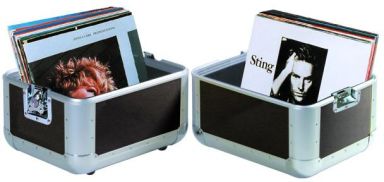
LP cases
LP Cases – Your Specialist for Professional Vinyl Storage
LP cases are the essential transport and storage solution for DJs, event technicians, and vinyl collectors who demand professional protection for their record collections. Whether you're a mobile DJ travelling between club gigs, an event technician managing equipment for festivals, or a collector safeguarding rare pressings, a robust LP case ensures your 12-inch and 7-inch records arrive safely and stay organised. LTT offers a comprehensive range of flight-case-quality LP cases with lockable latches, foam-lined interiors, and heavy-duty aluminium construction — designed to withstand the rigours of professional touring and event transport.
What Are LP Cases and How Do They Differ from Standard Storage?
An LP case is a purpose-built protective container designed to store and transport vinyl records — typically 12-inch LPs, though many models also accommodate 7-inch singles. Unlike decorative wooden crates or open shelving units intended for home display, professional LP cases are constructed as flight cases: they feature rigid aluminium or vinyl-wrapped plywood shells, reinforced metal corners, lockable butterfly latches, and foam-lined or flannel-lined interiors that cushion records against impact, vibration, and scratches during transport.
Key construction features include:
- Aluminium extrusion frames with riveted or welded corner protectors that absorb shocks
- Lockable latches (often dual or triple latches) to prevent accidental opening during handling
- Foam or flannel lining on the interior walls and base to protect record sleeves from abrasion
- Carry handles — typically spring-loaded or recessed — for ergonomic lifting and stacking
- Stackable design with interlocking lids or rubber feet, enabling secure vertical storage in vans or warehouses
LP cases differ fundamentally from CD cases or hard shell cases in their internal dimensions and capacity: a standard LP case holds between 30 and 100 records depending on the model, with dividers or adjustable foam inserts to prevent records from shifting. This makes them indispensable for professional applications where vinyl must survive repeated loading, unloading, and stacking — scenarios where decorative storage boxes or soft bags simply cannot deliver the necessary protection.
Applications – Where LP Cases Prove Essential
LP cases are the backbone of professional vinyl transport across a wide range of event and entertainment scenarios. Mobile DJs rely on them to carry curated record selections between club nights, weddings, and private events — often stacking multiple cases in a van alongside DJ tables and stands and mixer consoles. The lockable latches and foam lining ensure that rare pressings and limited editions arrive scratch-free, even after hours on the road.
Festival and touring sound engineers use LP cases to transport vinyl for live sets, integrating them into larger equipment racks and dollies for efficient load-in and load-out. The stackable design allows cases to be secured in flight-case stacks, reducing the risk of toppling during transit and simplifying inventory management when multiple artists or acts share a single transport vehicle.
Record collectors and archivists benefit from LP cases when relocating collections, attending record fairs, or storing vinyl in climate-controlled environments. The dust-proof seal created by the closed lid and the protective interior lining guard against environmental damage, making LP cases a practical choice for long-term storage as well as short-term transport.
For event production companies managing multi-day festivals or touring productions, LP cases integrate seamlessly with cases, racks and bags systems, enabling standardised packing lists and efficient crew workflows. The ability to label each case clearly and lock it securely reduces the risk of loss or damage in high-pressure load-in scenarios.
Quality Standards and Buying Criteria for Professional LP Cases
When selecting an LP case for professional use, several technical specifications and build-quality factors determine long-term reliability and protection performance. Capacity is the first consideration: entry-level cases typically hold 30–35 records, mid-range models accommodate 50–80 LPs, and heavy-duty flight cases can store 100 or more 12-inch records. Choose capacity based on your typical set length and transport frequency — mobile DJs often prefer two 50-record cases for flexibility, while touring acts may opt for a single 100-record case to minimise handling.
Construction materials directly impact durability and weight. Aluminium-framed cases with 7 mm or 9 mm plywood panels offer the best balance of strength and portability, with metal corner protectors and edge trim absorbing impact during stacking and transport. Vinyl-wrapped exteriors in black, grey, or custom colours provide additional scratch resistance and a professional appearance. Interior lining should be soft flannel or high-density foam — avoid cases with bare plywood interiors, as they can abrasion-damage record sleeves over time.
Latch and hinge quality is critical: professional-grade cases feature butterfly latches with spring-loaded closures and metal hinges with a minimum of three mounting points per side. Lockable latches (keyed or combination) add security for valuable collections. Handles should be spring-loaded or recessed to prevent snagging during transport, and rubber or plastic feet on the base enable stable stacking without scratching the lid of the case below.
Leading manufacturers in the event-technology sector — including Roadinger, Accu Case, and Omnitronic — produce LP cases that meet these professional standards, with models tested for repeated load cycles and compliant with transport safety norms for touring production. Price brackets typically range from €40 for basic 30-record cases to €120+ for heavy-duty 100-record flight cases with reinforced corners and premium lining. Investing in a higher-specification case pays dividends in reduced record damage and longer case lifespan, particularly for users who transport vinyl multiple times per week.
Transport Safety and Load Specifications for Event Use
Professional LP cases are designed not only to protect individual records but also to integrate safely into larger transport and rigging systems used in event production. Stacking limits are a key specification: most aluminium-framed LP cases are rated for vertical stacking of up to four units when stationary, and two units when in transit. Exceeding these limits can compromise the structural integrity of the bottom case and risk damaging the records inside. Always check the manufacturer's stacking guidance, and use case support bases or dollies with locking casters when moving stacked cases over uneven surfaces.
Weight load capacity is another critical factor, particularly when LP cases are transported in flight-case racks or on touring trucks alongside heavier equipment such as racks and rack trolleys. A fully loaded 100-record LP case can weigh 30–40 kg, so ensure that any shelving, dolly, or vehicle tie-down system is rated for the combined load. Use ratchet straps or cam buckles to secure cases during transit, and avoid placing LP cases directly on top of sensitive electronic equipment or lighting fixtures.
Transport regulations for professional event use require that all cases be clearly labelled with contents and ownership details, and that latches be fully closed and locked before loading. For international touring, customs documentation should list LP cases as "professional DJ equipment" or "event production materials" to avoid delays. Some jurisdictions require that cases meet specific fire-retardant standards (e.g., M1 or B1 classification) for use in public venues — verify these requirements with your venue or production manager before specifying cases for permanent installation or long-term hire.
By adhering to these transport safety and load specifications, event technicians and mobile DJs can ensure that their vinyl collections remain protected throughout the entire production lifecycle, from warehouse storage to stage setup and back.
LP Case Selection Guide by Event Type and Venue
Different event scenarios demand different LP case specifications, and selecting the right model for your typical use case maximises both protection and operational efficiency. Club DJs working regular weekly or monthly residencies benefit from mid-capacity cases (50–80 records) with quick-access removable lids and lightweight aluminium construction. These cases fit easily into car boots or on public transport, and the 50-record capacity aligns well with a typical 3–4 hour set. Look for models with soft-grip handles and rubber feet to protect club floors and furniture.
Mobile DJs covering weddings, corporate events, and private parties often require multiple cases to accommodate diverse music genres and client requests. A practical setup is two 50-record cases (one for current hits, one for classic requests) plus a smaller 30-record case for specialist genres or backup copies. Stackable cases with interlocking lids simplify packing and unpacking, and vinyl-wrapped exteriors in neutral colours (black, grey, titanium) maintain a professional appearance across varied event settings.
Festival and outdoor event technicians face harsher transport conditions — dust, moisture, temperature fluctuations — and should prioritise heavy-duty flight cases with reinforced corners, lockable latches, and high-density foam lining. Cases rated for outdoor use often feature rubber gaskets or weather-resistant seals, though no LP case is fully waterproof; always store cases in covered transport vehicles or under stage canopies. For multi-day festivals, consider cases with external label pockets or customisable colour-coding to speed up identification during rapid changeovers.
Permanent installations in clubs, radio stations, or archive facilities benefit from larger-capacity cases (80–100 records) that remain stationary and serve as both storage and display. In these scenarios, the removable lid feature becomes less critical, and emphasis shifts to interior organisation — adjustable dividers, alphabetical indexing tabs, and clear labelling systems. Pair LP cases with case rack drawers or rack socket strips to create integrated storage solutions that streamline workflow and reduce handling time.
By matching LP case specifications to your event type and venue requirements, you ensure that your vinyl collection remains protected, organised, and ready to deliver outstanding results every time you set up.
LTT – Your Specialist for Event Technology and Professional Storage
LTT has been supporting DJs, event technicians, and production professionals for over 25 years, delivering high-quality equipment and innovative solutions for every stage of the event lifecycle. Our LP case range includes models from trusted manufacturers such as Roadinger, Accu Case, and Omnitronic, all selected for their proven durability, professional-grade construction, and compatibility with the broader cases, racks and bags ecosystem.
Every LP case in our catalogue is backed by the 3-year LTT warranty, giving you peace of mind that your investment is protected against manufacturing defects and premature wear. We ship worldwide from our Bocholt, Germany facility, with free shipping on orders over €69 and express delivery options available for urgent projects. Whether you're equipping a mobile DJ setup, outfitting a touring production, or building a permanent archive, LTT delivers the expertise, product range, and customer service you need to achieve outstanding results.
Explore our full selection of case hardware — including locks, handles, and casters — to customise and upgrade your LP cases for even greater functionality and longevity. LTT: your reliable partner for professional event technology, from the first concept to the final encore.
FAQ – Questions & Answers
The capacity of an LP case depends on its internal dimensions and design. Entry-level vinyl cases typically hold 30–35 records, mid-range models accommodate 50–80 LPs, and heavy-duty professional flight cases can store 100 or more 12-inch records. Actual capacity also depends on the thickness of the record sleeves — gatefold sleeves and heavyweight vinyl reduce the total number of records that fit. For mobile DJs and event technicians, a 50-record case offers a practical balance between portability and set-length flexibility, while touring productions often use 80–100 record cases to minimise the number of units that need to be transported and stacked.
Professional LP cases are not fully waterproof, but high-quality models feature weather-resistant construction that protects against dust, moisture, and light rain. Aluminium-framed flight cases with vinyl-wrapped exteriors and foam-lined interiors provide a dust-proof seal when the lid is closed and latched, preventing environmental contaminants from reaching the records inside. However, prolonged exposure to heavy rain, submersion, or high humidity can still compromise the case and damage vinyl. For outdoor events or transport in wet conditions, always store LP cases in covered vehicles, under stage canopies, or wrapped in waterproof tarpaulins. If a case does get wet, open it immediately and allow the interior to dry fully before closing to prevent mould growth on record sleeves.
Yes, most professional LP cases feature lockable latches that secure the lid and prevent unauthorised access or accidental opening during transport. Lockable butterfly latches are standard on mid-range and heavy-duty flight cases, with options for keyed locks (often supplied with two keys per case) or combination locks for keyless security. Lockable LP cases are essential for mobile DJs and touring productions who transport valuable or rare vinyl collections, as they deter theft and ensure that cases remain closed even if dropped or knocked during loading and unloading. When purchasing an LP case, verify that the latch mechanism includes a lock feature and that replacement keys or lock cylinders are available from the manufacturer if needed.
An LP case is a type of flight case specifically designed to store and transport vinyl records. The term "flight case" refers to the broader category of heavy-duty protective containers used in professional event production, touring, and aviation transport — encompassing cases for musical instruments, lighting equipment, sound systems, and more. LP cases share the core flight-case construction principles: aluminium extrusion frames, reinforced metal corners, lockable latches, and foam-lined interiors. However, LP cases have internal dimensions and divider systems optimised for 12-inch and 7-inch records, whereas generic flight cases may have open interiors or custom foam cutouts for other equipment types. When specifying cases for vinyl transport, always choose a dedicated LP case rather than adapting a generic flight case, as the correct internal dimensions prevent record warping and sleeve damage.
For mobile DJs, the best LP case balances capacity, portability, and durability. A 50-record aluminium-framed case with lockable latches, foam lining, and a removable lid is the most versatile choice, offering enough capacity for a 3–4 hour set while remaining light enough to carry solo and fitting easily into a car boot. Look for models with soft-grip or spring-loaded handles, rubber feet for stable stacking, and a vinyl-wrapped black or grey exterior for a professional appearance. Mobile DJs who cover multiple genres or longer events often invest in two 50-record cases rather than one 100-record case, as this provides flexibility to separate music styles and reduces the risk of losing an entire collection if one case is damaged or misplaced. Brands such as Roadinger, Accu Case, and Omnitronic offer mobile-DJ-optimised LP cases with these features at competitive price points.
Regular maintenance extends the lifespan of your LP case and ensures continued protection for your vinyl collection. After each use, wipe down the exterior with a damp cloth to remove dust, dirt, and fingerprints — avoid abrasive cleaners that can damage vinyl-wrapped surfaces or aluminium trim. Inspect latches, hinges, and handles for signs of wear or loosening, and tighten any screws or rivets as needed. Lubricate metal hinges annually with a light machine oil or silicone spray to prevent stiffness and corrosion. Clean the interior foam or flannel lining by vacuuming gently or wiping with a barely damp cloth — never soak the lining, as moisture can transfer to record sleeves. If a latch or handle breaks, replacement parts are often available from the case manufacturer or through LTT's case hardware range. Store empty LP cases in a dry, temperature-stable environment when not in use, and avoid stacking heavy equipment on top of them to prevent deformation of the lid or base.
Yes, vinyl records can last 100 years or more if stored and handled correctly. The longevity of a vinyl record depends on three factors: the quality of the original pressing, the storage environment, and the frequency and care of playback. Records pressed on high-quality virgin vinyl and stored in climate-controlled conditions (18–21°C, 40–50% relative humidity) with minimal light exposure can retain their audio fidelity for a century or longer. Protective storage in a professional LP case with foam lining shields records from dust, scratches, and physical impact, significantly extending their lifespan. However, repeated playback on poorly maintained turntables, exposure to heat or direct sunlight, and storage in damp or fluctuating-temperature environments accelerate degradation. For archival or collector-grade vinyl, invest in high-quality inner sleeves, store records vertically (never flat), and use a dedicated LP case to minimise handling and environmental exposure.
A foam-lined LP case features a layer of high-density foam padding attached to the interior walls, base, and sometimes the lid of the case. This foam lining cushions vinyl records against impact, vibration, and abrasion during transport, preventing scratches on record sleeves and reducing the risk of warping or cracking if the case is dropped or knocked. Foam lining is typically 5–10 mm thick and made from closed-cell polyethylene or polyurethane foam, which does not absorb moisture and maintains its protective properties over years of use. Some LP cases use soft flannel or velvet lining instead of foam, which offers similar scratch protection but less impact absorption. When selecting an LP case, verify that the interior lining covers all contact surfaces — cases with bare plywood or unlined metal interiors can damage record sleeves and are not suitable for professional use. Foam-lined LP cases are the industry standard for mobile DJs, touring productions, and collectors who demand maximum protection for their vinyl investments.