Flame effects

Professional Flame Effects for Stage and Events: Flame effects create the visual drama of roaring fire without the risks of open flames, transforming concerts, festivals, theatre productions and corporate events into unforgettable experiences. Whether you're lighting up a main stage at a music festival or adding atmospheric fire to a theatrical performance, professional flame effect systems deliver the "wow factor" that captivates audiences. At LTT, you'll find a comprehensive selection of LED flame lights,...
Read more »
Flame effects
Close window
Flame effects

Professional Flame Effects for Stage and Events

Flame effects create the visual drama of roaring fire without the risks of open flames, transforming concerts, festivals, theatre productions and corporate events into unforgettable experiences. Whether you're lighting up a main stage at a music festival or adding atmospheric fire to a theatrical performance, professional flame effect systems deliver the "wow factor" that captivates audiences. At LTT, you'll find a comprehensive selection of LED flame lights, gas-powered flame projectors and liquid flame throwers designed for professional event technology applications. Every system in our range meets the safety standards required for stage use while delivering the spectacular visual impact that sets your production apart.

What Are Flame Effects and How Do They Work?

Flame effects are specialised stage devices that simulate or produce controlled fire for visual impact during live events. The technology falls into three main categories, each with distinct operating principles and applications.

LED flame lights use advanced LED arrays combined with reflective surfaces, diffusion filters and sometimes rotating elements to create the illusion of flickering flames. Modern 3D flame simulation technology employs multiple LED colours—typically amber, red and orange—with programmed flicker patterns that mimic the natural movement of real fire. These units typically consume just 1–4 watts, fit standard E27 or E14 sockets, and generate zero heat, making them the safest option for indoor venues with strict fire regulations.

Gas flame projectors burn propane or butane through precision nozzles to produce real flames ranging from 0.5 to 6 metres in height. These systems use solenoid valves controlled by DMX signals or manual triggers to release measured bursts of gas, which ignite at a pilot flame or spark igniter. Professional models feature adjustable flame height, remote ignition and integrated safety cut-offs. Gas systems deliver authentic fire with genuine heat output, making them ideal for outdoor festivals and large-scale concert productions where visual impact is paramount.

Liquid flame systems atomise special flame fluids (typically alcohol-based solutions) and ignite the mist to create dramatic fireballs or sustained flame columns. These systems offer precise control over flame shape, duration and colour—additives can produce green, blue or purple flames for theatrical effects. Liquid systems bridge the gap between LED simulation and gas projection, offering real fire with more artistic control than pure gas burners.

All three technologies integrate into modern lighting control systems via DMX512 protocol, allowing synchronisation with music, lighting cues and other stage effects for professional show production.

Applications and Typical Use Cases

Flame effects have become essential tools across multiple sectors of the event and entertainment industry. Concert and festival stages use gas flame projectors to punctuate musical climaxes—rock, metal and electronic music events frequently deploy 2–4 metre flame bursts synchronised to bass drops or guitar solos. Touring productions often specify DMX-controlled systems that integrate with existing lighting rigs and can be operated from the same control desk as moving heads and LED panels.

Theatrical productions favour LED flame lights for sustained atmospheric effects where safety regulations prohibit open flames. Period dramas, fantasy productions and horror shows use LED flame simulation for torches, fireplaces and ritual scenes. The zero-heat output allows placement near performers, costumes and scenery without fire marshal concerns. Liquid flame systems find application in larger theatre venues with appropriate safety infrastructure, particularly for dramatic reveals or supernatural effects.

Corporate events and product launches increasingly incorporate flame effects to create memorable brand moments. Automotive launches, technology unveilings and awards ceremonies use controlled flame bursts to emphasise key announcements. LED systems dominate indoor corporate applications due to venue restrictions, while outdoor brand activations can deploy gas systems for maximum visual impact.

Club and permanent installations rely on flame effects to energise dance floors and create signature venue moments. Nightclubs install ceiling-mounted gas projectors (typically 1–2 metre flame height) that fire during peak-energy tracks, while LED flame lights provide continuous atmospheric lighting around bars, stages and VIP areas. Installation planning must account for ceiling height, ventilation and local authority requirements.

Mobile DJs and small event providers use portable LED flame units as cost-effective alternatives to pyrotechnics. Battery-powered LED flame lights (operating 4–8 hours per charge) offer plug-and-play simplicity for weddings, parties and mobile disco applications where setup time and safety concerns make gas systems impractical.

Quality Standards and Professional Buying Criteria

Selecting the right flame effect system requires evaluating several technical and operational factors that directly impact performance, safety and total cost of ownership.

Power consumption and operating costs vary dramatically between technologies. LED flame lights consume 1–4 watts per unit, costing approximately €0.02–€0.08 per 10-hour event at standard electricity rates. A typical mobile DJ setup with four LED units costs under €1 per event in electricity. Gas flame projectors consume propane at rates of 0.3–1.2 kg per hour depending on flame height and duty cycle; an 11 kg propane bottle (€15–€25) provides 10–35 hours of intermittent use. Liquid systems consume 50–200 ml of flame fluid per burst, with professional fluids costing €25–€60 per litre.

DMX integration and control flexibility separate professional from consumer-grade equipment. Professional flame projectors offer 1–4 DMX channels controlling ignition, flame height, duration and safety interlocks. Advanced models provide 16-bit resolution for smooth flame height ramping and support RDM (Remote Device Management) for remote configuration. Entry-level systems use simple on/off control via relay packs or manual triggers. LED flame lights range from standalone units with built-in flicker programs to DMX-addressable fixtures with adjustable colour temperature (1800–2200K), flicker speed and brightness.

Safety certifications and compliance are non-negotiable for professional applications. Look for equipment bearing CE marking and compliance with EN 60598 (luminaire safety) for LED systems or EN 161 (gas appliance safety) for gas projectors. Professional flame systems should include thermal cut-offs, flame failure detection, pressure regulators with safety relief valves and emergency shut-off capability. German venues typically require compliance with DGUV Vorschrift 17 (formerly BGV C1) for stage technology, and operators must be at least 18 years old with documented safety training.

Build quality and manufacturer reputation directly impact reliability and service life. Established brands like Eurolite, Showtec, Cameo and Antari offer proven designs with available spare parts and technical support. Professional-grade units feature metal housings (aluminium or steel), reinforced gas connections, IP-rated electronics (IP20 minimum for indoor use, IP65 for outdoor applications) and mounting hardware compatible with standard truss systems. Entry-level consumer units (€80–€200) use plastic housings and basic electronics suitable for occasional use, while professional systems (€400–€2,500) provide the durability required for touring and rental applications.

Flame height and coverage must match your venue and creative requirements. LED units provide localised effect (0.3–0.5 metre visible flame simulation) suitable for close viewing distances under 10 metres. Gas projectors range from compact 0.5–1.5 metre units (€400–€800) for club installations to professional 3–6 metre systems (€1,200–€2,500) for festival main stages. Liquid systems typically produce 2–4 metre fireballs with adjustable duration (0.5–3 seconds per burst).

DMX Control Systems and Integration

Modern flame effects integrate seamlessly into professional lighting control ecosystems through DMX512 protocol, enabling synchronised operation with moving heads, LED panels and other stage technology. Understanding control architecture is essential for maximising creative potential while maintaining safe operation.

DMX channel architecture varies by system complexity. Basic gas flame projectors use a single DMX channel with threshold values: 0–127 (off), 128–255 (ignite). This binary control suits simple cue-based operation where flames fire on specific musical beats or lighting cues. Mid-range systems employ 2–3 channels: channel 1 (master enable/disable), channel 2 (flame height 0–100%), channel 3 (duration or pulse rate). Professional multi-head systems may consume 8–16 channels, with individual control over each flame head plus global safety interlocks.

Safety interlocks and fail-safe design are mandatory features in professional equipment. DMX-controlled flame systems incorporate "two-key" safety: both a DMX enable signal AND a physical key switch or safety relay must be active for ignition to occur. This prevents accidental firing during programming or equipment testing. Advanced controllers include configurable safety zones—geographic areas where flames automatically disable if motion sensors detect personnel. Wireless DMX systems for flame effects should always include wired backup connections and automatic failover to prevent signal loss during critical show moments.

Control desk integration allows flame effects to be treated as standard lighting fixtures within your console's patch. Most lighting desks (Avolites, MA Lighting, ChamSys) include flame effect fixture profiles in their libraries, providing intuitive faders, buttons and effects engines for flame control. Programming best practices include dedicated "flame inhibit" masters that override all flame cues—essential for rehearsals and emergency situations. Timecode-triggered shows benefit from flame systems with DMX-recordable timing, ensuring frame-accurate synchronisation with music and video content.

Wireless control and remote operation expand creative possibilities for outdoor festivals and distributed installations. Professional wireless DMX systems (Lumenradio, Swisson) provide reliable 2.4 GHz transmission with automatic frequency hopping and encryption. Range typically extends to 300–500 metres line-of-sight, adequate for festival site coverage. Battery-powered flame projectors with integrated wireless receivers eliminate cable runs, though safety protocols require visual confirmation of flame status via remote cameras or spotters.

Pre-programmed modes and standalone operation serve applications where full DMX control is unnecessary. Many LED flame lights include built-in microcontrollers with selectable flicker patterns, colour temperatures and brightness levels accessible via DIP switches or IR remote control. These modes suit permanent installations (restaurants, themed venues) where flames operate continuously without show control integration. Gas projectors may offer standalone interval timers—fire every 30 seconds for 2 seconds—useful for unattended decorative applications in controlled environments.

Safety Requirements and Operational Guidelines

Operating flame effects safely requires understanding regulatory frameworks, implementing proper safety zones and maintaining rigorous operational discipline. Professional event technicians must balance creative ambition with absolute adherence to safety protocols.

Regulatory compliance and permits vary by jurisdiction and venue type. In Germany, flame effects on stages fall under DGUV Vorschrift 17 (Stage and Studio Technology), which mandates risk assessment, operator training and documented safety procedures. Indoor venues typically require advance notification to local fire authorities and may mandate on-site fire safety officers for performances using open flames. Outdoor events need permits under local event safety regulations, with authorities assessing flame height, proximity to structures and crowd density. LED flame simulation requires no special permits as it produces no actual fire, making it the default choice for venues with restrictive regulations.

Safety zones and minimum distances are calculated based on flame height and type. Gas flame projectors require horizontal safety zones of 1.5× flame height in all directions—a 3-metre flame needs a 4.5-metre radius clear of personnel, scenery and combustible materials. Vertical clearance must be 2× flame height to prevent ceiling ignition or heat damage to overhead equipment. Liquid flame systems producing fireballs require larger safety zones (2–3× flame height) due to less predictable flame geometry. Wind conditions dramatically affect outdoor safety zones; professional operators increase safety distances by 50–100% in winds exceeding 20 km/h and may suspend operations entirely above 40 km/h.

Operator training and age requirements are legally mandated in most jurisdictions. Operators must be minimum 18 years old and trained in flame effect operation, emergency procedures and fire extinguisher use. Professional productions document operator qualifications and maintain training records as part of event safety files. Operators must remain sober—alcohol, drugs and fatigue are absolutely prohibited when working with flame effects. Each flame system should have a designated operator with clear line-of-sight to the equipment and authority to abort firing if safety conditions change.

Fire safety equipment and emergency procedures must be immediately accessible. Minimum requirements include CO₂ or powder fire extinguishers (6 kg minimum) within 5 metres of each flame effect, fire blankets for personnel protection and first-aid supplies for burn treatment. Operators wear fire-resistant clothing (minimum Nomex or equivalent) when working within 3 metres of active flame systems. Emergency shutdown procedures must be rehearsed and clearly communicated: dedicated e-stop buttons, master gas shut-off valves and DMX inhibit controls should be accessible to multiple personnel.

Pre-show safety checks follow a mandatory protocol: inspect all gas connections for leaks using soapy water solution, verify pilot flame ignition, test DMX control and safety interlocks, confirm clear safety zones, check fire extinguisher pressure and brief all personnel on emergency procedures. Never operate flame effects until daily safety inspection is complete and documented. Any equipment showing wear, damage or malfunction must be withdrawn from service immediately.

Venue-specific considerations include ceiling height (minimum 4 metres for indoor gas flames), ventilation capacity (gas flames consume oxygen and produce combustion gases), sprinkler system compatibility (high-temperature flames may trigger automatic suppression) and structural load ratings for truss-mounted equipment. Permanent installations require annual inspection by qualified technicians and compliance with building insurance requirements.

LTT – Your Specialist for Event Technology

LTT has been supplying professional event technology for over 25 years, serving technicians, event agencies, theatres, clubs and mobile entertainers across Europe and beyond. As both retailer and manufacturer with our own production facility in Germany, we understand the demands of professional stage work—from festival main stages to intimate theatre productions.

Our flame effect range includes proven systems from leading manufacturers like Eurolite, Showtec, Cameo and Antari, alongside LED flame lights, gas projectors and control accessories. Every product meets professional safety standards, and our technical team provides expert advice on system selection, DMX integration and regulatory compliance. With free shipping from €69, express delivery options and worldwide shipping, we ensure your equipment arrives when you need it. Our 3-year LTT guarantee and B2B wholesale terms for resellers reflect our commitment to long-term partnerships.

Whether you're building a touring lighting rig, equipping a permanent venue or expanding your rental inventory, LTT delivers the quality, service and technical expertise that professional event technology demands. Discover how the right flame effects can set your production in the spotlight and create those unforgettable moments that audiences remember long after the show ends.

FAQ – Questions & Answers

What properties do flames have in professional stage effects?

Professional stage flames exhibit several key properties depending on the technology used. LED flame effects simulate the visual properties of fire—flickering orange-red light with colour temperatures between 1800–2200K—without producing heat or combustion. Gas flame projectors produce real flames with temperatures reaching 800–1200°C at the flame tip, genuine heat output (1–15 kW depending on size), visible light across the spectrum and combustion gases requiring ventilation. Liquid flame systems create flames with adjustable colour (standard orange or chemically modified blue/green/purple), controllable duration (0.5–3 seconds per burst) and dramatic fireball geometry. All professional flame systems offer DMX controllability, allowing integration with lighting consoles for synchronised operation with music and other stage effects.

Which chemicals color flames in theatrical flame effects?

Theatrical flame colour is achieved through metal salt additives mixed into liquid flame fluids or specialised gas mixtures. Copper compounds (copper chloride, copper sulphate) produce blue and green flames, strontium salts create red flames, sodium compounds generate yellow-orange flames, and barium salts produce green flames. Professional liquid flame systems use pre-mixed fluids with these additives in alcohol-based carriers, ensuring consistent colour and safe combustion. Gas flame projectors typically burn natural orange flames (propane/butane combustion), though some professional systems accept colour cartridges. LED flame lights simulate colour through RGB or amber LED arrays without any chemical combustion. Always use manufacturer-approved fluids and additives—improvised chemical mixtures can produce toxic combustion products or unpredictable flame behaviour that compromises safety.

How high can flame effects reach on professional stages?

Professional flame effect height varies by system type and application requirements. LED flame simulation lights produce visual effects of 0.3–0.5 metres, suitable for close-range atmospheric lighting. Compact gas flame projectors for club installations generate 0.5–1.5 metre flames, mid-range concert systems produce 2–3 metre flames, and professional festival main-stage projectors create 4–6 metre flame columns. Liquid flame systems typically produce 2–4 metre fireballs with adjustable duration. Flame height is adjustable on professional systems via DMX control (typically 0–100% range) or manual gas flow regulation. Maximum safe height is determined by venue ceiling clearance (minimum 2× flame height required), structural proximity and local fire authority regulations. Outdoor events can deploy taller flames but must account for wind effects, which can deflect flames horizontally and expand required safety zones significantly.

What safety distances are required for flame effects?

Safety distances for flame effects are calculated based on flame height, type and environmental conditions. Gas flame projectors require horizontal safety zones of 1.5× flame height in all directions—a 2-metre flame needs a 3-metre radius clear of personnel, scenery and combustible materials. Vertical clearance must be 2× flame height minimum to prevent ceiling damage or ignition of overhead equipment. Liquid flame systems require larger zones (2–3× flame height) due to less predictable fireball geometry. LED flame simulation requires no safety distances as it produces no actual fire or heat. Wind significantly affects outdoor safety calculations—professional operators increase safety distances by 50–100% in winds exceeding 20 km/h and suspend operations above 40 km/h. Audience barriers must maintain minimum 5-metre separation from any open flame effect, with additional distance for flames exceeding 3 metres height. Always consult local fire authority requirements and venue-specific regulations.

What does a professional flame effect system cost?

Professional flame effect systems range from €80 to €2,500 depending on technology, size and features. LED flame lights for atmospheric simulation cost €80–€250 per unit, with DMX-controllable models at the higher end. Entry-level gas flame projectors suitable for small club installations start at €400–€800 and produce 0.5–1.5 metre flames with basic DMX control. Mid-range concert systems generating 2–3 metre flames with multi-channel DMX and safety interlocks cost €900–€1,500. Professional festival-grade projectors producing 4–6 metre flames with advanced control and robust construction range from €1,500–€2,500. Liquid flame systems typically cost €1,200–€2,200 depending on capacity and control features. Operating costs vary: LED systems cost under €0.10 per event in electricity, gas systems consume €15–€25 in propane per 10–35 hours of intermittent use, and liquid systems use €25–€60 per litre of flame fluid (50–200ml per burst).

Which flame effect system suits touring productions?

Touring productions require flame effects that balance visual impact with portability, reliability and regulatory flexibility. Gas flame projectors in the 1.5–3 metre range offer the best compromise—they deliver authentic fire for dramatic impact, pack into standard flight cases, operate from readily available propane bottles (available worldwide) and meet most venue safety requirements with proper documentation. Look for systems with robust metal construction, DMX control for integration with touring lighting rigs, quick-disconnect gas fittings and built-in safety interlocks. Professional touring models from manufacturers like Eurolite, Showtec and Antari typically weigh 8–15 kg per unit and mount to standard truss with included brackets. LED flame lights serve as backup options for venues with strict fire regulations—they require no permits, generate zero heat and operate from standard mains power. Touring packages often include both technologies: gas systems for outdoor festivals and large venues, LED simulation for indoor theatres and corporate events with restrictive safety policies.

Do flame effects require special electrical power supplies?

Power requirements for flame effects vary significantly by technology. LED flame lights operate from standard 230V AC mains power, consuming just 1–4 watts per unit—a typical four-unit setup draws less than 20 watts total, equivalent to a small lamp. They require no special electrical infrastructure and can run from standard lighting circuits or even battery packs for portable applications. Gas flame projectors need 230V AC power only for control electronics, solenoid valves and pilot ignition systems, typically drawing 50–150 watts—negligible compared to stage lighting loads. The flame itself is powered by propane/butane gas, not electricity. Liquid flame systems similarly use mains power for pumps, igniters and control systems (100–300 watts typical). DMX-controlled flame effects connect to standard lighting control infrastructure via 3-pin or 5-pin XLR cables. No special power conditioning or dedicated circuits are required unless you're operating large multi-unit arrays. Battery-powered LED flame lights are available for completely cable-free operation, running 4–8 hours per charge.

How do I integrate flame effects with existing DMX lighting systems?

Integrating flame effects into existing DMX lighting systems follows standard fixture patching procedures. First, assign each flame unit a unique DMX start address using DIP switches or digital display on the device—consult the manual for channel count (typically 1–4 channels per unit). Connect the flame effect to your DMX chain using 3-pin or 5-pin XLR cables, maintaining proper signal termination at the chain end. In your lighting console, patch the flame effect as a generic fixture or load the manufacturer's fixture profile if available in your console library. Map control channels to faders or buttons—typically channel 1 controls ignition (0–127 off, 128–255 fire), channel 2 controls flame height or duration if available. Create a dedicated "flame inhibit" master or group that overrides all flame cues for safety during rehearsals. Program flame cues as standard lighting cues with appropriate fade times (instant for gas ignition, 1–2 second fades for LED brightness). Test all flame cues thoroughly before performance, verify safety interlocks function correctly and ensure operators can execute emergency shutdown independently of the lighting console.

Top seller
EUROLITE LED FL-250 Flamelight
€79.90 *
incl. tax, free shipping to Germany
[International shipping costs]
Availability:
Delivery time: 3-5 days
EUROLITE LED FL-1300 Flamelight mit DMX
EUROLITE LED FL-1300 Flamelight with DMX
€299.00 *
incl. tax, free shipping to Germany
[International shipping costs]
Availability:
Currently not available
EUROLITE FL-201 Flamelight
€29.14 *
incl. tax, plus shipping costs
Availability:
Delivery time: 3-5 days
3 Articles
Close filters
  •  
from to
No results were found for the filter!
EUROLITE FL-201 Flamelight
Decorative flame effect lightUse the EUROLITE FL-201 Flamelight at your next garden party or for your shop window as a decorative effect. The impressive decorative light simulates a blazing flame,...
€29.14 *
incl. tax, plus shipping costs
Availability:
Delivery time: 3-5 days
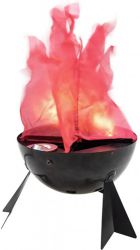
EUROLITE LED FL-250 Flamelight
Flame caldron with LED illumination, for standing or hanging installation Unique effect light with flickering flame • Deceptively genuine • A visual highlight for your home • Metal...
€79.90 *
incl. tax, free shipping to Germany
[International shipping costs]
Availability:
Delivery time: 3-5 days
EUROLITE LED FL-1300 Flamelight mit DMX
EUROLITE LED FL-1300 Flamelight with DMX
DMX-contrallable flame effect with RGB LEDs, flame height 150 cmThe EUROLITE FL-1300 Flamelight creates decorative lighting effects on your stage. The 24 3 Watt RGB LEDs create an realistic effect,...
€299.00 *
incl. tax, free shipping to Germany
[International shipping costs]
Availability:
Currently not available
Facts
Professional Flame Effects for Stage and Events: Flame effects create the visual drama of roaring fire without the risks of open flames, transforming concerts, festivals, theatre productions and corporate events into unforgettable experiences. Whether you're lighting up a main stage at a music festival or adding atmospheric fire to a theatrical performance, professional flame effect systems deliver the "wow factor" that captivates... Read more »
Viewed
Facts

Professional Flame Effects for Stage and Events

Flame effects create the visual drama of roaring fire without the risks of open flames, transforming concerts, festivals, theatre productions and corporate events into unforgettable experiences. Whether you're lighting up a main stage at a music festival or adding atmospheric fire to a theatrical performance, professional flame effect systems deliver the "wow factor" that captivates audiences. At LTT, you'll find a comprehensive selection of LED flame lights, gas-powered flame projectors and liquid flame throwers designed for professional event technology applications. Every system in our range meets the safety standards required for stage use while delivering the spectacular visual impact that sets your production apart.

What Are Flame Effects and How Do They Work?

Flame effects are specialised stage devices that simulate or produce controlled fire for visual impact during live events. The technology falls into three main categories, each with distinct operating principles and applications.

LED flame lights use advanced LED arrays combined with reflective surfaces, diffusion filters and sometimes rotating elements to create the illusion of flickering flames. Modern 3D flame simulation technology employs multiple LED colours—typically amber, red and orange—with programmed flicker patterns that mimic the natural movement of real fire. These units typically consume just 1–4 watts, fit standard E27 or E14 sockets, and generate zero heat, making them the safest option for indoor venues with strict fire regulations.

Gas flame projectors burn propane or butane through precision nozzles to produce real flames ranging from 0.5 to 6 metres in height. These systems use solenoid valves controlled by DMX signals or manual triggers to release measured bursts of gas, which ignite at a pilot flame or spark igniter. Professional models feature adjustable flame height, remote ignition and integrated safety cut-offs. Gas systems deliver authentic fire with genuine heat output, making them ideal for outdoor festivals and large-scale concert productions where visual impact is paramount.

Liquid flame systems atomise special flame fluids (typically alcohol-based solutions) and ignite the mist to create dramatic fireballs or sustained flame columns. These systems offer precise control over flame shape, duration and colour—additives can produce green, blue or purple flames for theatrical effects. Liquid systems bridge the gap between LED simulation and gas projection, offering real fire with more artistic control than pure gas burners.

All three technologies integrate into modern lighting control systems via DMX512 protocol, allowing synchronisation with music, lighting cues and other stage effects for professional show production.

Applications and Typical Use Cases

Flame effects have become essential tools across multiple sectors of the event and entertainment industry. Concert and festival stages use gas flame projectors to punctuate musical climaxes—rock, metal and electronic music events frequently deploy 2–4 metre flame bursts synchronised to bass drops or guitar solos. Touring productions often specify DMX-controlled systems that integrate with existing lighting rigs and can be operated from the same control desk as moving heads and LED panels.

Theatrical productions favour LED flame lights for sustained atmospheric effects where safety regulations prohibit open flames. Period dramas, fantasy productions and horror shows use LED flame simulation for torches, fireplaces and ritual scenes. The zero-heat output allows placement near performers, costumes and scenery without fire marshal concerns. Liquid flame systems find application in larger theatre venues with appropriate safety infrastructure, particularly for dramatic reveals or supernatural effects.

Corporate events and product launches increasingly incorporate flame effects to create memorable brand moments. Automotive launches, technology unveilings and awards ceremonies use controlled flame bursts to emphasise key announcements. LED systems dominate indoor corporate applications due to venue restrictions, while outdoor brand activations can deploy gas systems for maximum visual impact.

Club and permanent installations rely on flame effects to energise dance floors and create signature venue moments. Nightclubs install ceiling-mounted gas projectors (typically 1–2 metre flame height) that fire during peak-energy tracks, while LED flame lights provide continuous atmospheric lighting around bars, stages and VIP areas. Installation planning must account for ceiling height, ventilation and local authority requirements.

Mobile DJs and small event providers use portable LED flame units as cost-effective alternatives to pyrotechnics. Battery-powered LED flame lights (operating 4–8 hours per charge) offer plug-and-play simplicity for weddings, parties and mobile disco applications where setup time and safety concerns make gas systems impractical.

Quality Standards and Professional Buying Criteria

Selecting the right flame effect system requires evaluating several technical and operational factors that directly impact performance, safety and total cost of ownership.

Power consumption and operating costs vary dramatically between technologies. LED flame lights consume 1–4 watts per unit, costing approximately €0.02–€0.08 per 10-hour event at standard electricity rates. A typical mobile DJ setup with four LED units costs under €1 per event in electricity. Gas flame projectors consume propane at rates of 0.3–1.2 kg per hour depending on flame height and duty cycle; an 11 kg propane bottle (€15–€25) provides 10–35 hours of intermittent use. Liquid systems consume 50–200 ml of flame fluid per burst, with professional fluids costing €25–€60 per litre.

DMX integration and control flexibility separate professional from consumer-grade equipment. Professional flame projectors offer 1–4 DMX channels controlling ignition, flame height, duration and safety interlocks. Advanced models provide 16-bit resolution for smooth flame height ramping and support RDM (Remote Device Management) for remote configuration. Entry-level systems use simple on/off control via relay packs or manual triggers. LED flame lights range from standalone units with built-in flicker programs to DMX-addressable fixtures with adjustable colour temperature (1800–2200K), flicker speed and brightness.

Safety certifications and compliance are non-negotiable for professional applications. Look for equipment bearing CE marking and compliance with EN 60598 (luminaire safety) for LED systems or EN 161 (gas appliance safety) for gas projectors. Professional flame systems should include thermal cut-offs, flame failure detection, pressure regulators with safety relief valves and emergency shut-off capability. German venues typically require compliance with DGUV Vorschrift 17 (formerly BGV C1) for stage technology, and operators must be at least 18 years old with documented safety training.

Build quality and manufacturer reputation directly impact reliability and service life. Established brands like Eurolite, Showtec, Cameo and Antari offer proven designs with available spare parts and technical support. Professional-grade units feature metal housings (aluminium or steel), reinforced gas connections, IP-rated electronics (IP20 minimum for indoor use, IP65 for outdoor applications) and mounting hardware compatible with standard truss systems. Entry-level consumer units (€80–€200) use plastic housings and basic electronics suitable for occasional use, while professional systems (€400–€2,500) provide the durability required for touring and rental applications.

Flame height and coverage must match your venue and creative requirements. LED units provide localised effect (0.3–0.5 metre visible flame simulation) suitable for close viewing distances under 10 metres. Gas projectors range from compact 0.5–1.5 metre units (€400–€800) for club installations to professional 3–6 metre systems (€1,200–€2,500) for festival main stages. Liquid systems typically produce 2–4 metre fireballs with adjustable duration (0.5–3 seconds per burst).

DMX Control Systems and Integration

Modern flame effects integrate seamlessly into professional lighting control ecosystems through DMX512 protocol, enabling synchronised operation with moving heads, LED panels and other stage technology. Understanding control architecture is essential for maximising creative potential while maintaining safe operation.

DMX channel architecture varies by system complexity. Basic gas flame projectors use a single DMX channel with threshold values: 0–127 (off), 128–255 (ignite). This binary control suits simple cue-based operation where flames fire on specific musical beats or lighting cues. Mid-range systems employ 2–3 channels: channel 1 (master enable/disable), channel 2 (flame height 0–100%), channel 3 (duration or pulse rate). Professional multi-head systems may consume 8–16 channels, with individual control over each flame head plus global safety interlocks.

Safety interlocks and fail-safe design are mandatory features in professional equipment. DMX-controlled flame systems incorporate "two-key" safety: both a DMX enable signal AND a physical key switch or safety relay must be active for ignition to occur. This prevents accidental firing during programming or equipment testing. Advanced controllers include configurable safety zones—geographic areas where flames automatically disable if motion sensors detect personnel. Wireless DMX systems for flame effects should always include wired backup connections and automatic failover to prevent signal loss during critical show moments.

Control desk integration allows flame effects to be treated as standard lighting fixtures within your console's patch. Most lighting desks (Avolites, MA Lighting, ChamSys) include flame effect fixture profiles in their libraries, providing intuitive faders, buttons and effects engines for flame control. Programming best practices include dedicated "flame inhibit" masters that override all flame cues—essential for rehearsals and emergency situations. Timecode-triggered shows benefit from flame systems with DMX-recordable timing, ensuring frame-accurate synchronisation with music and video content.

Wireless control and remote operation expand creative possibilities for outdoor festivals and distributed installations. Professional wireless DMX systems (Lumenradio, Swisson) provide reliable 2.4 GHz transmission with automatic frequency hopping and encryption. Range typically extends to 300–500 metres line-of-sight, adequate for festival site coverage. Battery-powered flame projectors with integrated wireless receivers eliminate cable runs, though safety protocols require visual confirmation of flame status via remote cameras or spotters.

Pre-programmed modes and standalone operation serve applications where full DMX control is unnecessary. Many LED flame lights include built-in microcontrollers with selectable flicker patterns, colour temperatures and brightness levels accessible via DIP switches or IR remote control. These modes suit permanent installations (restaurants, themed venues) where flames operate continuously without show control integration. Gas projectors may offer standalone interval timers—fire every 30 seconds for 2 seconds—useful for unattended decorative applications in controlled environments.

Safety Requirements and Operational Guidelines

Operating flame effects safely requires understanding regulatory frameworks, implementing proper safety zones and maintaining rigorous operational discipline. Professional event technicians must balance creative ambition with absolute adherence to safety protocols.

Regulatory compliance and permits vary by jurisdiction and venue type. In Germany, flame effects on stages fall under DGUV Vorschrift 17 (Stage and Studio Technology), which mandates risk assessment, operator training and documented safety procedures. Indoor venues typically require advance notification to local fire authorities and may mandate on-site fire safety officers for performances using open flames. Outdoor events need permits under local event safety regulations, with authorities assessing flame height, proximity to structures and crowd density. LED flame simulation requires no special permits as it produces no actual fire, making it the default choice for venues with restrictive regulations.

Safety zones and minimum distances are calculated based on flame height and type. Gas flame projectors require horizontal safety zones of 1.5× flame height in all directions—a 3-metre flame needs a 4.5-metre radius clear of personnel, scenery and combustible materials. Vertical clearance must be 2× flame height to prevent ceiling ignition or heat damage to overhead equipment. Liquid flame systems producing fireballs require larger safety zones (2–3× flame height) due to less predictable flame geometry. Wind conditions dramatically affect outdoor safety zones; professional operators increase safety distances by 50–100% in winds exceeding 20 km/h and may suspend operations entirely above 40 km/h.

Operator training and age requirements are legally mandated in most jurisdictions. Operators must be minimum 18 years old and trained in flame effect operation, emergency procedures and fire extinguisher use. Professional productions document operator qualifications and maintain training records as part of event safety files. Operators must remain sober—alcohol, drugs and fatigue are absolutely prohibited when working with flame effects. Each flame system should have a designated operator with clear line-of-sight to the equipment and authority to abort firing if safety conditions change.

Fire safety equipment and emergency procedures must be immediately accessible. Minimum requirements include CO₂ or powder fire extinguishers (6 kg minimum) within 5 metres of each flame effect, fire blankets for personnel protection and first-aid supplies for burn treatment. Operators wear fire-resistant clothing (minimum Nomex or equivalent) when working within 3 metres of active flame systems. Emergency shutdown procedures must be rehearsed and clearly communicated: dedicated e-stop buttons, master gas shut-off valves and DMX inhibit controls should be accessible to multiple personnel.

Pre-show safety checks follow a mandatory protocol: inspect all gas connections for leaks using soapy water solution, verify pilot flame ignition, test DMX control and safety interlocks, confirm clear safety zones, check fire extinguisher pressure and brief all personnel on emergency procedures. Never operate flame effects until daily safety inspection is complete and documented. Any equipment showing wear, damage or malfunction must be withdrawn from service immediately.

Venue-specific considerations include ceiling height (minimum 4 metres for indoor gas flames), ventilation capacity (gas flames consume oxygen and produce combustion gases), sprinkler system compatibility (high-temperature flames may trigger automatic suppression) and structural load ratings for truss-mounted equipment. Permanent installations require annual inspection by qualified technicians and compliance with building insurance requirements.

LTT – Your Specialist for Event Technology

LTT has been supplying professional event technology for over 25 years, serving technicians, event agencies, theatres, clubs and mobile entertainers across Europe and beyond. As both retailer and manufacturer with our own production facility in Germany, we understand the demands of professional stage work—from festival main stages to intimate theatre productions.

Our flame effect range includes proven systems from leading manufacturers like Eurolite, Showtec, Cameo and Antari, alongside LED flame lights, gas projectors and control accessories. Every product meets professional safety standards, and our technical team provides expert advice on system selection, DMX integration and regulatory compliance. With free shipping from €69, express delivery options and worldwide shipping, we ensure your equipment arrives when you need it. Our 3-year LTT guarantee and B2B wholesale terms for resellers reflect our commitment to long-term partnerships.

Whether you're building a touring lighting rig, equipping a permanent venue or expanding your rental inventory, LTT delivers the quality, service and technical expertise that professional event technology demands. Discover how the right flame effects can set your production in the spotlight and create those unforgettable moments that audiences remember long after the show ends.

FAQ – Questions & Answers

What properties do flames have in professional stage effects?

Professional stage flames exhibit several key properties depending on the technology used. LED flame effects simulate the visual properties of fire—flickering orange-red light with colour temperatures between 1800–2200K—without producing heat or combustion. Gas flame projectors produce real flames with temperatures reaching 800–1200°C at the flame tip, genuine heat output (1–15 kW depending on size), visible light across the spectrum and combustion gases requiring ventilation. Liquid flame systems create flames with adjustable colour (standard orange or chemically modified blue/green/purple), controllable duration (0.5–3 seconds per burst) and dramatic fireball geometry. All professional flame systems offer DMX controllability, allowing integration with lighting consoles for synchronised operation with music and other stage effects.

Which chemicals color flames in theatrical flame effects?

Theatrical flame colour is achieved through metal salt additives mixed into liquid flame fluids or specialised gas mixtures. Copper compounds (copper chloride, copper sulphate) produce blue and green flames, strontium salts create red flames, sodium compounds generate yellow-orange flames, and barium salts produce green flames. Professional liquid flame systems use pre-mixed fluids with these additives in alcohol-based carriers, ensuring consistent colour and safe combustion. Gas flame projectors typically burn natural orange flames (propane/butane combustion), though some professional systems accept colour cartridges. LED flame lights simulate colour through RGB or amber LED arrays without any chemical combustion. Always use manufacturer-approved fluids and additives—improvised chemical mixtures can produce toxic combustion products or unpredictable flame behaviour that compromises safety.

How high can flame effects reach on professional stages?

Professional flame effect height varies by system type and application requirements. LED flame simulation lights produce visual effects of 0.3–0.5 metres, suitable for close-range atmospheric lighting. Compact gas flame projectors for club installations generate 0.5–1.5 metre flames, mid-range concert systems produce 2–3 metre flames, and professional festival main-stage projectors create 4–6 metre flame columns. Liquid flame systems typically produce 2–4 metre fireballs with adjustable duration. Flame height is adjustable on professional systems via DMX control (typically 0–100% range) or manual gas flow regulation. Maximum safe height is determined by venue ceiling clearance (minimum 2× flame height required), structural proximity and local fire authority regulations. Outdoor events can deploy taller flames but must account for wind effects, which can deflect flames horizontally and expand required safety zones significantly.

What safety distances are required for flame effects?

Safety distances for flame effects are calculated based on flame height, type and environmental conditions. Gas flame projectors require horizontal safety zones of 1.5× flame height in all directions—a 2-metre flame needs a 3-metre radius clear of personnel, scenery and combustible materials. Vertical clearance must be 2× flame height minimum to prevent ceiling damage or ignition of overhead equipment. Liquid flame systems require larger zones (2–3× flame height) due to less predictable fireball geometry. LED flame simulation requires no safety distances as it produces no actual fire or heat. Wind significantly affects outdoor safety calculations—professional operators increase safety distances by 50–100% in winds exceeding 20 km/h and suspend operations above 40 km/h. Audience barriers must maintain minimum 5-metre separation from any open flame effect, with additional distance for flames exceeding 3 metres height. Always consult local fire authority requirements and venue-specific regulations.

What does a professional flame effect system cost?

Professional flame effect systems range from €80 to €2,500 depending on technology, size and features. LED flame lights for atmospheric simulation cost €80–€250 per unit, with DMX-controllable models at the higher end. Entry-level gas flame projectors suitable for small club installations start at €400–€800 and produce 0.5–1.5 metre flames with basic DMX control. Mid-range concert systems generating 2–3 metre flames with multi-channel DMX and safety interlocks cost €900–€1,500. Professional festival-grade projectors producing 4–6 metre flames with advanced control and robust construction range from €1,500–€2,500. Liquid flame systems typically cost €1,200–€2,200 depending on capacity and control features. Operating costs vary: LED systems cost under €0.10 per event in electricity, gas systems consume €15–€25 in propane per 10–35 hours of intermittent use, and liquid systems use €25–€60 per litre of flame fluid (50–200ml per burst).

Which flame effect system suits touring productions?

Touring productions require flame effects that balance visual impact with portability, reliability and regulatory flexibility. Gas flame projectors in the 1.5–3 metre range offer the best compromise—they deliver authentic fire for dramatic impact, pack into standard flight cases, operate from readily available propane bottles (available worldwide) and meet most venue safety requirements with proper documentation. Look for systems with robust metal construction, DMX control for integration with touring lighting rigs, quick-disconnect gas fittings and built-in safety interlocks. Professional touring models from manufacturers like Eurolite, Showtec and Antari typically weigh 8–15 kg per unit and mount to standard truss with included brackets. LED flame lights serve as backup options for venues with strict fire regulations—they require no permits, generate zero heat and operate from standard mains power. Touring packages often include both technologies: gas systems for outdoor festivals and large venues, LED simulation for indoor theatres and corporate events with restrictive safety policies.

Do flame effects require special electrical power supplies?

Power requirements for flame effects vary significantly by technology. LED flame lights operate from standard 230V AC mains power, consuming just 1–4 watts per unit—a typical four-unit setup draws less than 20 watts total, equivalent to a small lamp. They require no special electrical infrastructure and can run from standard lighting circuits or even battery packs for portable applications. Gas flame projectors need 230V AC power only for control electronics, solenoid valves and pilot ignition systems, typically drawing 50–150 watts—negligible compared to stage lighting loads. The flame itself is powered by propane/butane gas, not electricity. Liquid flame systems similarly use mains power for pumps, igniters and control systems (100–300 watts typical). DMX-controlled flame effects connect to standard lighting control infrastructure via 3-pin or 5-pin XLR cables. No special power conditioning or dedicated circuits are required unless you're operating large multi-unit arrays. Battery-powered LED flame lights are available for completely cable-free operation, running 4–8 hours per charge.

How do I integrate flame effects with existing DMX lighting systems?

Integrating flame effects into existing DMX lighting systems follows standard fixture patching procedures. First, assign each flame unit a unique DMX start address using DIP switches or digital display on the device—consult the manual for channel count (typically 1–4 channels per unit). Connect the flame effect to your DMX chain using 3-pin or 5-pin XLR cables, maintaining proper signal termination at the chain end. In your lighting console, patch the flame effect as a generic fixture or load the manufacturer's fixture profile if available in your console library. Map control channels to faders or buttons—typically channel 1 controls ignition (0–127 off, 128–255 fire), channel 2 controls flame height or duration if available. Create a dedicated "flame inhibit" master or group that overrides all flame cues for safety during rehearsals. Program flame cues as standard lighting cues with appropriate fade times (instant for gas ignition, 1–2 second fades for LED brightness). Test all flame cues thoroughly before performance, verify safety interlocks function correctly and ensure operators can execute emergency shutdown independently of the lighting console.
// Countdown for Black Deals