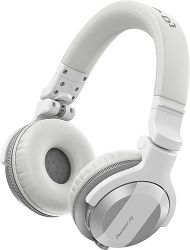
DJ headphones
Professional DJ Headphones for Events and Stage Technology
Professional DJ headphones are essential monitoring tools for event technicians, mobile DJs, and stage professionals who demand reliable audio performance in challenging environments. At LTT, you'll find a curated selection of closed-back headphones engineered specifically for cueing, beat-matching, and technical monitoring during live events. These headphones deliver the sound pressure levels, noise isolation, and durability required for club PA systems, festival stages, and touring applications. Whether you're setting up a truss-mounted DJ booth, managing audio at a corporate event, or performing at a multi-day festival, the right DJ headphones ensure you stay in control of your mix even when ambient sound levels exceed 100 dB SPL.
What Are DJ Headphones and How Do They Differ from Studio Models?
DJ headphones are closed-back monitoring headphones optimised for live performance and cueing in high-noise environments. Unlike open-back studio headphones designed for critical listening in quiet control rooms, DJ headphones feature passive noise isolation through sealed ear cups that block ambient sound from club PA systems, stage monitors, and crowd noise. This closed construction is essential when you need to pre-listen to the next track while the current one plays at full volume through the main PA.
The key technical difference lies in impedance and sound pressure level. Professional DJ headphones typically feature 32 Ohm impedance, allowing them to be driven loudly by portable DJ mixers, audio interfaces, and mobile controllers without requiring dedicated headphone amplifiers. Models delivering 102 dB SPL or higher ensure you can hear your cue signal clearly even in the loudest festival environments. Studio headphones with 250 Ohm impedance, such as certain monitoring models, are too quiet for DJ applications and better suited for rack-mount studio equipment.
Sound tuning also differs significantly. DJ headphones emphasise bass frequencies and punch, making it easier to identify kick drums and basslines during beat-matching. This contrasts with the neutral, analytical tuning of studio reference headphones. The enhanced low-end response helps DJs lock in rhythms quickly, while clear mid-range reproduction ensures vocal cues and percussion remain intelligible. Frequency response is optimised for speed and impact rather than surgical accuracy, supporting the fast decision-making required during live mixing.
Physically, DJ headphones feature swivelling ear cups that allow single-ear monitoring — a technique where one ear listens to the cue track while the other monitors the main output. Robust hinges, reinforced headbands, and shock-resistant construction ensure the headphones survive the rigours of touring, transport in flight cases, and repeated assembly and disassembly at event sites.
Applications: Where Professional DJ Headphones Excel
Professional DJ headphones serve multiple roles across the event technology spectrum. Mobile DJs rely on them for wedding receptions, corporate events, and private parties where quick track selection and seamless transitions keep the dance floor active. The closed-back design isolates the cue signal from ambient chatter and PA feedback, enabling precise beat-matching even in acoustically challenging venues such as marquees, hotel ballrooms, and outdoor stages.
In club and festival environments, DJ headphones must withstand sustained high sound pressure levels. Resident DJs performing multi-hour sets require comfortable, lightweight models with soft ear cushions and adjustable headbands to prevent fatigue. Swivelling ear cups facilitate the classic one-ear monitoring technique, allowing DJs to blend the cue track with the main mix by ear. Foldable designs and coiled cables support the dynamic movement typical of live performance, while replaceable cables and ear pads extend the service life of headphones subjected to nightly use.
Event technicians use DJ headphones for technical monitoring during setup and soundcheck. When integrating DJ equipment with professional mixing consoles, truss-mounted speaker arrays, and stage rigging, technicians need reliable headphones to verify signal flow, check for phase issues, and confirm audio routing. The same headphones that serve DJs during performance also function as diagnostic tools for troubleshooting hum, distortion, or latency in complex multi-source audio systems.
Touring professionals value headphones that pack securely into flight cases alongside other stage equipment. Models with detachable cables simplify cable management and reduce the risk of damage during transport. When DJ headphones integrate seamlessly with rack-mount audio interfaces and professional stage gear, they become versatile tools for both creative performance and technical problem-solving on the road.
Quality Criteria and Professional Standards for DJ Headphones
Selecting professional DJ headphones requires evaluating several technical and build-quality criteria. Sound pressure level is the most critical specification: models delivering 102 dB SPL or higher ensure adequate volume in loud club and festival environments. Headphones rated below 96 dB SPL may struggle to compete with powerful PA systems, forcing DJs to increase gain excessively and risk hearing damage. Impedance should be 32 Ohms for compatibility with portable DJ mixers and controllers; higher impedance models require dedicated amplification and are impractical for mobile applications.
Frequency response should emphasise bass and lower midrange without sacrificing clarity in the upper midrange and treble. A slight bass boost — typically centred around 80–120 Hz — helps DJs identify kick drums and basslines during beat-matching, while clear highs ensure hi-hats and cymbals remain distinct. Neutral tuning is less important than speed and impact: DJ headphones must deliver transient response fast enough to reveal subtle timing differences between tracks.
Build quality separates professional models from consumer headphones. Reinforced headbands, metal or high-impact plastic yokes, and shock-resistant ear cup housings ensure durability during touring. Replaceable components — cables, ear pads, and headband cushions — extend service life and reduce long-term costs. Coiled cables with robust strain relief prevent cable failure, while detachable cable designs allow quick replacement in the field. Weight is also important: headphones between 230 and 300 grams balance robustness with comfort during extended wear.
Leading manufacturers in the professional DJ headphone market include Pioneer DJ, whose HDJ series is widely adopted in clubs and festivals worldwide. Sennheiser offers the legendary HD 25 model, renowned for its modular design and replaceable parts. Audio-Technica produces the ATH-M series, favoured for its neutral tuning and robust construction. Technics and AIAIAI deliver premium models with advanced features such as modular components and wireless connectivity. At LTT, you'll find these top brands alongside specialist models from Shure, AKG, and other manufacturers trusted by event professionals.
Price ranges vary from entry-level models around €50 to flagship designs exceeding €300. Entry-level headphones suit beginners and backup applications, while mid-range models (€100–€200) offer the best balance of sound quality, comfort, and durability for working professionals. Premium models justify their cost through superior driver technology, modular construction, and extended warranties.
Integration with Professional Stage Equipment and Cable Management
Professional DJ headphones must integrate seamlessly with the broader ecosystem of event technology equipment. When DJs perform on stages equipped with truss-mounted lighting, rigging systems, and multi-channel mixing consoles, headphone cable routing becomes a critical consideration. Coiled cables prevent tangling and reduce trip hazards, while straight cables may be preferred when headphones connect to rack-mount audio interfaces or stage boxes positioned at fixed distances.
Cable management solutions for live events include velcro cable ties, cable ramps, and stage-safe routing channels that protect headphone cables from foot traffic and equipment movement. Event technicians often specify headphone cables with reinforced strain relief and robust connectors — such as locking 6.35 mm jacks or screw-on 3.5 mm adapters — to prevent accidental disconnection during performance. Detachable cable designs allow technicians to replace damaged cables quickly without removing the headphones from service, minimising downtime during multi-day festivals or touring productions.
When DJ equipment is integrated into larger PA systems, headphone outputs from professional mixing consoles must deliver sufficient power to drive 32 Ohm headphones to safe monitoring levels. Some event setups use dedicated headphone distribution amplifiers to provide multiple monitoring feeds for DJs, VJs, and technical crew. In these scenarios, DJ headphones with balanced frequency response and high SPL capability ensure consistent monitoring across different output sources.
For mobile event technicians who transport DJ equipment in flight cases alongside lighting controllers, DMX interfaces, and cable looms, foldable DJ headphones with protective hard cases or padded pouches simplify packing and reduce the risk of damage. Modular designs with replaceable ear pads and cables allow technicians to carry spare parts, ensuring headphones remain operational even if components fail during a multi-venue tour.
Professional stage setups often include truss-mounted DJ booths with integrated cable management. In these installations, DJ headphones with coiled cables and swivelling ear cups accommodate the dynamic movement of performers while maintaining tidy cable runs. When combined with wireless DMX systems, LED lighting, and fog machines, well-managed headphone cables contribute to a clean, professional stage aesthetic that meets the standards expected at high-profile events.
Maintenance, Care, and Longevity for Touring DJ Headphones
Professional DJ headphones endure harsh conditions during touring, including transport in flight cases, exposure to smoke and haze effects, and repeated assembly and disassembly at event sites. Proper maintenance extends service life and ensures consistent audio performance across hundreds of gigs.
Cleaning and Hygiene
Ear pads accumulate sweat, dust, and residue from fog machines and haze effects. Removable ear pads should be cleaned regularly with mild soap and water, then air-dried completely before reattachment. Leather and protein-leather pads can be wiped with isopropyl alcohol wipes to remove oils and bacteria. Velour pads may be gently brushed to remove dust and debris. Replacing ear pads every 12–18 months maintains comfort and hygiene, particularly for headphones used by multiple DJs or shared among event crew.
Cable Care
Coiled cables should be stored loosely coiled to prevent memory kinks and strain on internal conductors. Detachable cables should be disconnected during transport to avoid stress on connectors. Inspect cable strain relief regularly for cracks or separation; early replacement prevents complete cable failure during performance. Carry spare cables in your flight case — a backup coiled cable and a straight cable provide redundancy for critical gigs.
Storage and Transport
Foldable DJ headphones should be stored in hard cases or padded pouches inside flight cases. Avoid stacking heavy equipment directly on top of headphones, as sustained pressure can deform ear cup hinges and headband mechanisms. When packing flight cases, position headphones in dedicated compartments with foam inserts to absorb shock during transport. Label cases clearly to prevent accidental damage during load-in and load-out.
Component Replacement
Modular DJ headphones with replaceable ear pads, headbands, and cables offer significant cost savings over non-serviceable models. Stock replacement parts for your primary headphones and perform preventive replacement before components fail. Worn ear pads reduce noise isolation and comfort; degraded cables introduce intermittent signal loss. Proactive maintenance prevents equipment failure during critical moments on stage.
Environmental Considerations
Haze and fog effects used in stage productions deposit oily residue on headphone surfaces. Wipe down ear cups and headbands after events involving atmospheric effects. Avoid exposing headphones to extreme temperatures during transport; prolonged heat can degrade plastics and adhesives, while cold can make materials brittle. Store headphones in climate-controlled environments when possible, and allow cold headphones to reach room temperature before use to prevent condensation inside drivers.
LTT – Your Specialist for Event Technology
At LTT, you'll find professional DJ headphones from leading manufacturers, backed by expert advice and reliable service. With over 25 years of experience in event technology, LTT understands the demands of mobile DJs, event technicians, and touring professionals. Our range includes closed-back monitoring headphones engineered for high sound pressure levels, robust construction, and seamless integration with professional stage equipment.
Every DJ headphone purchase from LTT includes our 3-year warranty, providing peace of mind for equipment subjected to the rigours of touring and live performance. We offer free shipping on orders over €69, and express delivery options ensure you receive critical equipment in time for upcoming gigs. International customers benefit from our worldwide shipping network, and B2B clients can access wholesale pricing for bulk orders.
LTT is not only a retailer but also a manufacturer with in-house production in Germany, specialising in truss systems, rigging hardware, and stage equipment under our premium brands Naxpro-Truss, Riggatec, and Bullstage. This unique combination of manufacturing expertise and comprehensive product knowledge positions LTT as your reliable partner for complete event technology solutions. Whether you're building a truss-mounted DJ booth, specifying headphones for a festival production, or equipping a mobile DJ rig, LTT delivers the quality and service that set impressive events in motion.
FAQ – Questions & Answers
The best DJ headphone depends on your specific application and budget. For club and festival use, models delivering 102 dB SPL or higher with 32 Ohm impedance are essential. The Pioneer DJ HDJ-CUE1 offers robust construction and bass-emphasised tuning ideal for beat-matching, while the Sennheiser HD 25 is renowned for its modular design and replaceable parts, making it a favourite among touring professionals. The Audio-Technica ATH-M50x provides neutral sound and excellent build quality for both DJ and technical monitoring applications. Entry-level users may consider the OneOdio Pro 10 for practice and home use. Evaluate sound pressure level, impedance, comfort, and build quality to match your requirements.
DJs use on-ear headphones because they provide effective passive noise isolation in loud environments while remaining lightweight and comfortable during extended wear. On-ear designs with closed-back construction block ambient sound from club PA systems and stage monitors, allowing DJs to hear cue tracks clearly during beat-matching. The compact form factor and swivelling ear cups facilitate single-ear monitoring, a technique where one ear listens to the cue signal while the other monitors the main mix. On-ear headphones also tend to be more portable and durable than over-ear models, making them practical for mobile DJs who transport equipment frequently. However, over-ear models are also popular for their superior isolation and comfort during very long sets.
Several brands are recognised as leaders in professional DJ headphones. Pioneer DJ is widely adopted in clubs and festivals worldwide, offering models such as the HDJ series with robust construction and high sound pressure levels. Sennheiser produces the legendary HD 25, favoured for its modular design and replaceable components. Audio-Technica delivers the ATH-M series, known for neutral tuning and durability. Technics and AIAIAI offer premium models with advanced features including wireless connectivity and modular construction. Shure and AKG are also respected for professional monitoring headphones used in DJ and event technology applications. The best brand depends on your priorities: Pioneer DJ for club-standard reliability, Sennheiser for serviceability, or Audio-Technica for versatile performance.
Pioneer DJ offers several professional headphone models tailored to different applications. The HDJ-X10 is the flagship model, featuring 50 mm drivers, carbon-fibre-reinforced housing, and memory foam ear pads for maximum comfort during long sets. It delivers exceptional sound isolation and durability for demanding club and festival environments. The HDJ-X7 provides similar performance at a mid-range price point, with swivelling ear cups and robust construction. The HDJ-CUE1 is an entry-level model offering solid build quality, bass-driven sound, and foldable design at an accessible price. For wireless applications, the HDJ-X5BT combines Bluetooth connectivity with low latency suitable for DJ use. Choose based on your budget and whether you prioritise maximum isolation, wireless convenience, or cost-effectiveness.
Beginners should prioritise DJ headphones that offer good sound quality, comfort, and durability at an accessible price point. The Audio-Technica ATH-M20x delivers balanced sound and adequate sound pressure level (96 dB SPL) for practice and small venue use, with replaceable cables and a durable build. The OneOdio Pro 10 is a budget-friendly option with coiled cable, lightweight design, and acceptable sound quality for home practice. The Pioneer DJ HDJ-CUE1 offers professional features such as swivelling ear cups and reinforced construction at a mid-range price, making it suitable for beginners who plan to perform at clubs and events. Avoid very cheap consumer headphones that lack the noise isolation, SPL capability, and durability required for DJ applications. Invest in a model from a reputable manufacturer to ensure your headphones grow with your skills.
Yes, DJ headphones should have low impedance — typically 32 Ohms — to ensure they can be driven loudly by portable DJ mixers, controllers, and audio interfaces without requiring dedicated headphone amplifiers. Low impedance allows the headphones to reach high sound pressure levels (102 dB SPL or higher) even when connected to battery-powered mobile equipment with limited output power. High-impedance headphones (such as 250 Ohm studio models) are too quiet for DJ applications in loud club and festival environments, forcing DJs to increase gain excessively and risk distortion or hearing damage. When selecting DJ headphones, confirm the impedance specification is 32 Ohms or lower to ensure compatibility with professional DJ equipment and adequate monitoring volume in high-noise environments.
Integrating DJ headphones with professional stage equipment requires attention to cable management, signal routing, and connector compatibility. Use coiled cables to prevent tangling and reduce trip hazards on stage, and route cables through cable ramps or stage-safe channels to protect them from foot traffic. When connecting to rack-mount mixing consoles or audio interfaces, ensure the headphone output delivers sufficient power to drive 32 Ohm headphones to safe monitoring levels. Detachable cable designs allow quick replacement if cables are damaged during setup or performance. For truss-mounted DJ booths, position headphone connections within easy reach and secure cables with velcro ties to maintain tidy cable runs. In multi-source setups, headphone distribution amplifiers can provide multiple monitoring feeds for DJs, VJs, and technical crew, ensuring consistent audio across different output sources.
Maintaining DJ headphones during touring involves regular cleaning, careful storage, and proactive component replacement. Clean removable ear pads with mild soap and water or isopropyl alcohol wipes after each event to remove sweat, dust, and residue from fog and haze effects. Store headphones in hard cases or padded pouches inside flight cases, avoiding heavy equipment stacked directly on top. Inspect cables and strain relief regularly for damage, and carry spare coiled and straight cables for redundancy. Replace ear pads every 12–18 months to maintain comfort and hygiene, and replace cables at the first sign of intermittent signal loss. Allow headphones to reach room temperature before use if transported in cold conditions, and wipe down surfaces after events involving atmospheric effects. Modular headphones with replaceable components offer significant cost savings and ensure your equipment remains operational throughout demanding tour schedules.