DJ effects samplers and more

DJ Effects, Samplers and More – Professional Equipment for Creative Performances: Transform your DJ sets with professional effects units, samplers and performance tools from LTT. Whether you're triggering custom samples, creating unique sound effects or building complex loops in real time, the right equipment opens up entirely new creative possibilities. From standalone hardware samplers like the Pioneer DJ DJS-1000 to versatile multi-effects processors such as the RMX-1000, you'll find everything you need to...
Read more »
DJ effects samplers and more
Close window
DJ effects samplers and more

DJ Effects, Samplers and More – Professional Equipment for Creative Performances

Transform your DJ sets with professional effects units, samplers and performance tools from LTT. Whether you're triggering custom samples, creating unique sound effects or building complex loops in real time, the right equipment opens up entirely new creative possibilities. From standalone hardware samplers like the Pioneer DJ DJS-1000 to versatile multi-effects processors such as the RMX-1000, you'll find everything you need to set your performances apart and achieve impressive results on stage, in the club or at festivals.

What Are DJ Samplers and Effects Units?

A DJ sampler is a device or software module that allows you to trigger pre-loaded audio snippets—called samples—during a live performance. These samples can range from short vocal drops and DJ idents to percussive loops, sound effects, sweeps and sub-bass hits. Modern hardware samplers typically offer 8 to 16 performance pads, onboard memory for dozens or even hundreds of samples, and features such as pitch shifting, time-stretching, sync to master tempo and real-time effects processing.

An effects unit (or effector) processes the audio signal from your mixer or controller in real time, applying filters, delays, reverbs, flangers, phasers, bit-crushers and other creative effects. Professional DJ effects processors often combine multiple effect engines, allowing you to chain or layer effects for complex sonic transformations. Units like the Pioneer DJ RMX-1000 integrate both sampling and multi-effects capabilities, offering Scene FX, Isolator FX, X-Pad controls and Release FX in a single rack-mountable chassis.

Hardware vs. Software Solutions

Most modern DJ software—Serato DJ Pro, rekordbox, Traktor Pro, djay Pro—includes a built-in sampler accessible via performance pads on your controller. These software samplers are ideal for beginners and mobile DJs who want to add samples without extra hardware. However, standalone hardware samplers offer tactile control, lower latency, dedicated processing power and the ability to integrate seamlessly into CDJ or mixer setups without a laptop. For professional stage and event production, hardware units deliver reliability and workflow efficiency that software alone cannot match.

Effects units similarly exist in both software (VST/AU plug-ins, built-in DJ software FX) and hardware forms. Hardware effectors provide hands-on, real-time control with dedicated knobs, faders and touch interfaces, making them the preferred choice for live performance where speed and muscle memory are critical.

Applications: Where DJ Samplers and Effects Units Shine

DJ samplers and effects units are indispensable tools across a wide range of professional applications. In club and festival environments, DJs use samplers to trigger air horns, vocal shouts, siren effects and custom drops that energise the crowd and reinforce their personal brand. Performance pads allow you to layer percussive loops or one-shot samples over your mix, effectively turning a two-deck setup into a multi-layered live remix station.

In radio and podcast production, samplers provide instant access to station idents, jingles, sound effects and transition sweeps. A well-timed sample can smooth a mix, fill dead air or add a professional polish to your broadcast. For mobile DJs working weddings, corporate events and private parties, samplers offer the flexibility to play custom announcements, game-show sound effects and audience-participation cues without interrupting the music flow.

Stage and event production demands robust, reliable equipment that integrates with larger PA systems, lighting rigs and show-control setups. Hardware samplers and effects units connect via balanced XLR or TRS outputs, support MIDI clock sync and can be rack-mounted alongside other professional audio gear. This makes them ideal for theatrical productions, live bands with electronic elements and large-scale touring rigs where every component must deliver flawless performance night after night.

Effects processors are equally versatile: use them to create dramatic build-ups with filter sweeps and reverb throws, add rhythmic interest with beat-repeat and stutter effects, or transform entire tracks with bit-crushing and distortion. The X-Pad interface found on units like the RMX-1000 allows you to manipulate pitch, filter cutoff and effect depth in real time, turning the effects unit into a true performance instrument.

Buying Guide: Quality, Features and Professional Standards

When selecting a DJ sampler or effects unit, focus on build quality, connectivity and feature depth. Professional-grade hardware from manufacturers such as Pioneer DJ, Roland, Omnitronic and American Audio is engineered for the rigours of touring and nightly club use. Look for metal chassis construction, robust performance pads with velocity sensitivity, and clear, backlit displays that remain readable under stage lighting.

Key Technical Specifications

Sample capacity and memory: Entry-level samplers may hold 8–16 samples in RAM; professional units like the Pioneer DJ DJS-1000 offer internal storage for thousands of samples organised into banks and kits. Check whether the device supports SD cards, USB drives or direct computer connectivity for easy sample management.

Connectivity: Balanced XLR or TRS outputs ensure clean, noise-free signal transmission to professional mixers and PA systems. MIDI In/Out/Thru allows the sampler to sync with drum machines, sequencers and lighting consoles. USB connectivity enables MIDI-over-USB control of DAWs and DJ software, turning the hardware into a versatile studio controller as well.

Latency and audio quality: Hardware samplers typically operate at 24-bit/48 kHz or higher resolution with sub-5 ms latency, ensuring that your samples trigger instantly and sound pristine. Software samplers depend on your computer's audio interface and buffer settings; for live performance, invest in a low-latency interface (≤5 ms round-trip) to avoid timing issues.

Effects engines: Multi-effects units should offer at least 8–12 effect types, adjustable parameters, and the ability to chain or layer effects. Look for features like BPM sync, tap tempo, effect hold/release and X-Pad or touch-strip controls for expressive real-time manipulation.

Price Brackets and Value

Entry-level hardware samplers and compact effects units start around £200–£350, offering basic sample playback, a handful of effects and USB connectivity. Mid-range units (£400–£700) add larger sample libraries, more performance pads, better build quality and advanced features like time-stretching and pitch quantisation. Professional flagship models such as the Pioneer DJ DJS-1000 (approx. £1,329) and TORAIZ SQUID (approx. £629) deliver studio-grade audio quality, extensive sample editing, sequencer functionality and deep integration with DJ and production ecosystems.

For effects processors, the Pioneer DJ RMX-1000 (around £1,000–£1,200) remains the industry benchmark, combining Scene FX, Isolator FX, X-Pad control and VST/AU/RTAS plug-in compatibility in a single unit. It's equally at home in the DJ booth, the studio and the live-sound rack.

Essential Features for Stage and Event Integration

Professional stage and event production places unique demands on DJ equipment. Unlike bedroom practice or small club gigs, large-scale events require robust signal routing, redundancy and compatibility with complex show-control systems. When integrating samplers and effects units into a professional rig, consider the following:

Signal Flow and Routing

In a multi-deck, multi-zone setup, your sampler may need to feed into a dedicated mixer channel with independent EQ, gain and effects send. Ensure the unit offers balanced line-level outputs (XLR or TRS) to minimise noise over long cable runs. Some samplers provide both main and booth outputs, allowing you to monitor your samples independently of the house mix.

For festival and touring rigs, rack-mountable hardware is essential. Units like the RMX-1000 fit standard 19-inch racks, protecting them during transport and simplifying setup. Pair your sampler with a power conditioner to guard against voltage spikes and ensure stable operation in challenging electrical environments.

MIDI and Show Control

Modern event production often involves synchronising audio, lighting and video cues via MIDI timecode (MTC) or MIDI clock. Hardware samplers with MIDI I/O can send trigger messages to lighting consoles, pyrotechnic controllers and video servers, enabling tightly choreographed multimedia performances. The Pioneer DJ TORAIZ SQUID, for example, functions as a multitrack sequencer with extensive MIDI routing, making it ideal for hybrid DJ/live setups where samples, synths and drum machines must stay locked together.

Backup and Redundancy

For mission-critical events, always carry a backup sampler or effects unit and pre-load identical sample banks on both devices. Store your sample libraries on multiple USB drives or SD cards, and keep a laptop with your DJ software and sample sets as a last-resort fallback. Professional event riders often specify redundant signal paths, so plan your cabling and mixer routing to allow instant switchover if a unit fails.

Latency and Sync

When working with large PA systems and digital mixing consoles, be aware of cumulative latency introduced by A/D and D/A conversion, DSP processing and network audio transport (Dante, AVB). Hardware samplers with direct analogue outputs bypass much of this latency, ensuring your samples hit exactly on the beat. If using software samplers, configure your audio interface for the lowest stable buffer size (typically 64 or 128 samples at 48 kHz) and enable any hardware monitoring features to minimise round-trip delay.

Sample Sources and Sound Libraries: Building Your Signature Sound

The quality and originality of your samples define your sonic identity. While free sample packs are a great starting point, professional DJs invest in exclusive, high-quality sound libraries that set them apart from the competition.

Free Sample Packs and Downloads

Several reputable sources offer free DJ sample packs suitable for live performance. Serato DJ Pro provides curated packs from artists like Tropkillaz, Teklife and Goldbaby, featuring 32–96 samples per pack (5–22 MB) including drum rolls, snare rolls, 808 kicks, percussion loops, vocal shouts and riser effects. Loopmasters offers royalty-free sample collections spanning electronic, hip-hop and dance genres, with loops, one-shots and MIDI files ready to drop into your sampler.

Cymatics and 99Sounds are popular among producers and DJs for their high-quality, professionally recorded samples and sound effects. Freesound.org hosts a vast community-driven library of user-uploaded audio, ideal for finding unique, exotic sounds and field recordings that add character to your sets.

Commercial and Exclusive Libraries

For DJs seeking premium, exclusive content, commercial sample libraries from companies like Splice, ADSR Sounds and Sample Magic offer subscription or one-time-purchase access to thousands of professionally produced samples, loops and presets. These libraries are regularly updated with fresh content and often include samples from top producers and sound designers.

Many DJs also create custom sample sets by recording their own vocal drops, extracting acapellas and instrumentals from tracks, or hiring voice-over artists to produce personalised idents and jingles. A custom DJ drop with your name, catchphrase or radio station call sign reinforces your brand and makes your sets instantly recognisable.

Organising and Managing Samples

Effective sample management is crucial for live performance. Organise your samples into themed banks or kits—for example, "Build-Ups & Sweeps," "Vocal Drops," "Percussion Loops" and "Sound Effects." Use clear, descriptive file names and consistent folder structures so you can locate the right sample instantly under pressure.

Most hardware samplers allow you to save and recall sample banks via SD card or USB drive. Create multiple banks tailored to different gig types (club night, festival main stage, radio show, wedding) and load the appropriate bank during soundcheck. For software samplers, save your sample layouts as presets or templates within your DJ software, ensuring a consistent workflow across all your performances.

LTT – Your Specialist for Event Technology

At LTT, we've been equipping DJs, event technicians and production professionals with high-quality equipment for over 25 years. Our range of DJ effects units, samplers and performance tools includes flagship models from Pioneer DJ, Roland, Omnitronic, American Audio and Eurolite, alongside innovative solutions from emerging brands. Every product is selected for its reliability, sound quality and suitability for professional stage and event use.

When you order from LTT, you benefit from free shipping on orders over €69, express delivery options for urgent gigs, and our 3-year LTT warranty that covers you far beyond the standard manufacturer guarantee. Our warehouse in Bocholt, Germany, ensures fast dispatch to the UK, Ireland and international destinations, and our experienced team is always on hand to provide expert advice on equipment selection, integration and troubleshooting.

Whether you're building your first mobile DJ rig, upgrading a club installation or specifying equipment for a touring production, LTT is your reliable partner. Explore our full range of DJ equipment, lighting, rigging and stage technology, and discover innovative solutions that help you achieve impressive results and set your performances apart.

FAQ – Questions & Answers

What are samplers in DJing?

Samplers in DJing are devices or software modules that allow DJs to trigger pre-loaded audio snippets—called samples—during live performances. These samples can include vocal drops, DJ idents, sound effects, percussive loops, air horns, sweeps and sub-bass hits. Modern DJ samplers typically feature 8 to 16 performance pads, onboard memory for storing dozens or hundreds of samples, and real-time controls for pitch shifting, time-stretching, sync to master tempo and effects processing. Hardware samplers like the Pioneer DJ DJS-1000 offer standalone operation without a laptop, while software samplers built into applications such as Serato DJ Pro or rekordbox provide integrated control via MIDI controllers. Samplers enable DJs to add creative layers, personalise their sets and build unique sonic identities that set them apart from other performers.

Where do DJs get their samples?

DJs source samples from a variety of free and commercial libraries. Popular free sources include Serato DJ Pro's curated sample packs (Tropkillaz, Teklife, Goldbaby, Loopmasters), which offer 32–96 samples per pack including drums, vocals, loops and effects. Websites like Cymatics, 99Sounds and Freesound.org provide high-quality, royalty-free samples suitable for live performance. For exclusive, professional-grade content, DJs subscribe to commercial libraries such as Splice, ADSR Sounds and Sample Magic, which offer thousands of professionally recorded samples, loops and presets. Many DJs also create custom samples by recording their own vocal drops, extracting acapellas from tracks or hiring voice-over artists to produce personalised DJ idents and jingles. Effective sample management—organising files into themed banks with clear naming conventions—ensures quick access during live performances.

How do I add a sampler to my DJ setup?

Adding a sampler to your DJ setup can be achieved in several ways. The simplest method is to use the built-in sampler in your DJ software (Serato DJ Pro, rekordbox, Traktor Pro, djay Pro), which you trigger via performance pads on your controller. For standalone setups without a laptop, connect a hardware sampler such as the Pioneer DJ DJS-1000 or Roland SP404 to the Aux In or a dedicated channel on your mixer, allowing you to use EQ, effects and channel faders on your samples. Alternatively, use a phone or tablet running a sampler app, connected via a suitable audio interface or cable to your mixer. A fourth option is to create a custom sample set—an MP3 file containing multiple samples with cue points at the start of each—and load it onto one of your decks. For professional stage integration, ensure your sampler has balanced outputs, MIDI sync capability and rack-mountable construction for reliable, low-latency performance.

What is the difference between a hardware sampler and a software sampler?

A hardware sampler is a standalone physical device with dedicated performance pads, onboard memory, audio outputs and processing power, allowing you to trigger and manipulate samples without a computer. Hardware samplers like the Pioneer DJ DJS-1000, Roland SP404 MkII and TORAIZ SQUID offer tactile, hands-on control, ultra-low latency (typically <5 ms), robust build quality for touring and the ability to integrate seamlessly into CDJ or mixer setups. They are the preferred choice for professional DJs who value reliability, workflow efficiency and independence from laptop-based systems. A software sampler is a module within DJ software (Serato DJ Pro, rekordbox, Traktor Pro) or a VST/AU plug-in, controlled via MIDI pads on your DJ controller or keyboard. Software samplers are cost-effective, highly flexible and ideal for mobile DJs and beginners, but they depend on your computer's processing power, audio interface latency and system stability. For mission-critical live events, hardware samplers provide the redundancy and performance assurance that software alone cannot guarantee.

What does a professional DJ sampler cost?

Professional DJ samplers range in price depending on features, build quality and brand. Entry-level hardware samplers and compact performance pads start around £200–£350, offering basic sample playback, USB connectivity and a handful of performance pads. Mid-range units priced £400–£700 add larger sample libraries, more pads, better construction, time-stretching, pitch quantisation and advanced MIDI capabilities. Flagship professional samplers such as the Pioneer DJ DJS-1000 cost approximately £1,329 and deliver studio-grade audio quality (24-bit/48 kHz), extensive onboard storage, sequencer functionality, deep integration with rekordbox and robust, tour-ready construction. The Pioneer DJ TORAIZ SQUID multitrack sequencer is priced around £629 and offers 16-track MIDI sequencing, sample playback and comprehensive show-control features. For DJs on a budget, software samplers built into DJ applications are effectively free, though investing in a quality low-latency audio interface (£100–£300) is essential for reliable live performance.

Which DJ software is most used?

The most widely used DJ software applications are Serato DJ Pro, rekordbox, Traktor Pro and djay Pro. Serato DJ Pro is the industry standard for scratch DJs, turntablists and club performers, offering a powerful built-in sampler, extensive hardware compatibility and a vast library of free sample packs. rekordbox (by Pioneer DJ) is the preferred choice for DJs using CDJs and Pioneer controllers, providing seamless integration with hardware like the DJS-1000 sampler and RMX-1000 effects unit, plus advanced track preparation and performance features. Traktor Pro (by Native Instruments) is popular among electronic and techno DJs for its Remix Decks, advanced looping and deep MIDI mapping capabilities. djay Pro (by Algoriddim) is a versatile, user-friendly option available on macOS, iOS, Windows and Android, featuring AI-powered stem separation, built-in samplers and compatibility with Spotify and TIDAL. All four platforms include integrated samplers accessible via performance pads, making them suitable for DJs who want to add samples without investing in dedicated hardware.

What features should I look for in a DJ effects unit?

When selecting a DJ effects unit, prioritise build quality, effect variety, real-time control and connectivity. Professional units should offer at least 8–12 effect types, including filters (low-pass, high-pass, band-pass), delays, reverbs, flangers, phasers, bit-crushers, distortion and beat-repeat/stutter effects. Look for adjustable parameters (effect depth, feedback, resonance, time) and the ability to chain or layer multiple effects simultaneously for complex sonic transformations. Real-time control interfaces such as X-Pads, touch strips, rotary encoders and dedicated effect-select buttons enable expressive, hands-on manipulation during live performance. BPM sync and tap tempo ensure effects stay locked to your mix, while effect hold and release functions allow you to freeze or gradually fade effects for dramatic transitions. Connectivity should include balanced XLR or TRS outputs, MIDI In/Out for sync and show control, and USB for MIDI-over-USB control of DAWs and DJ software. The Pioneer DJ RMX-1000 is the industry benchmark, combining Scene FX, Isolator FX, X-Pad control and VST/AU/RTAS plug-in compatibility in a rack-mountable chassis.

Can I use a DJ sampler for live band performances?

Yes, DJ samplers are increasingly used in live band performances to trigger backing tracks, sound effects, percussion loops, synth pads and vocal samples. Hardware samplers like the Pioneer DJ TORAIZ SQUID and Roland SP404 MkII offer multitrack sequencing, MIDI sync and robust construction suitable for the rigours of live touring. By connecting a sampler to your band's mixer or PA system via balanced XLR or TRS outputs, you can layer electronic elements over live instruments, trigger pre-recorded horn sections or string arrangements, and add sound effects that would be impractical to perform live. MIDI clock sync ensures the sampler stays locked to your drummer or click track, while performance pads allow real-time triggering and manipulation. Many bands also use samplers to play intro music, transition effects and crowd-engagement samples (air horns, vocal shouts) between songs. For hybrid DJ/live setups, samplers integrate seamlessly with drum machines, synthesisers and loop stations, enabling complex, tightly choreographed multimedia performances that blur the line between DJing and live musicianship.

Categories
3 Articles
Close filters
 
  •  
from to
No results were found for the filter!
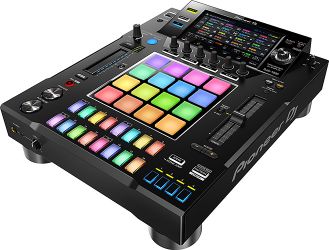
Pioneer DJ DJS-1000 Standalone DJ Sampler
Elevate the standard Add the DJS-1000 to your DJ set-up to intuitively create unique sounds and phrases in advance of your set, or on the fly. Use the DJ-friendly interface to sequence and loop...
€1,399.00 * €1,329.00 *
incl. tax, free shipping to Germany
[International shipping costs]
Availability:
Low stock; Delivery time: 1-3 days
Delivery time: 1-3 days
Pioneer DJ TORAIZ AS-1
Develop unique sounds The second musical instrument in our TORAIZ range, the AS-1 is a monophonic analog synthesizer that brings new creative possibilities to the studio and the stage. Its...
€549.00 *
incl. tax, free shipping to Germany
[International shipping costs]
Availability:
Delivery time: approx. 4-5 weeks
Pioneer DJ TORAIZ SQUID Multitrack-Sequenzer
Pioneer DJ TORAIZ SQUID Multitrack-Sequencer
The Heartbeat of Your Setup Unlock limitless creativity with the SQUID™ multitrack sequencer. Part of our TORAIZ™ series of musical instruments and production equipment, this...
€629.00 *
incl. tax, free shipping to Germany
[International shipping costs]
Availability:
Low stock; Delivery time: 1-3 days
Delivery time: 1-3 days
Facts
DJ Effects, Samplers and More – Professional Equipment for Creative Performances: Transform your DJ sets with professional effects units, samplers and performance tools from LTT. Whether you're triggering custom samples, creating unique sound effects or building complex loops in real time, the right equipment opens up entirely new creative possibilities. From standalone hardware samplers like the Pioneer DJ DJS-1000 to versatile... Read more »
Viewed
Facts

DJ Effects, Samplers and More – Professional Equipment for Creative Performances

Transform your DJ sets with professional effects units, samplers and performance tools from LTT. Whether you're triggering custom samples, creating unique sound effects or building complex loops in real time, the right equipment opens up entirely new creative possibilities. From standalone hardware samplers like the Pioneer DJ DJS-1000 to versatile multi-effects processors such as the RMX-1000, you'll find everything you need to set your performances apart and achieve impressive results on stage, in the club or at festivals.

What Are DJ Samplers and Effects Units?

A DJ sampler is a device or software module that allows you to trigger pre-loaded audio snippets—called samples—during a live performance. These samples can range from short vocal drops and DJ idents to percussive loops, sound effects, sweeps and sub-bass hits. Modern hardware samplers typically offer 8 to 16 performance pads, onboard memory for dozens or even hundreds of samples, and features such as pitch shifting, time-stretching, sync to master tempo and real-time effects processing.

An effects unit (or effector) processes the audio signal from your mixer or controller in real time, applying filters, delays, reverbs, flangers, phasers, bit-crushers and other creative effects. Professional DJ effects processors often combine multiple effect engines, allowing you to chain or layer effects for complex sonic transformations. Units like the Pioneer DJ RMX-1000 integrate both sampling and multi-effects capabilities, offering Scene FX, Isolator FX, X-Pad controls and Release FX in a single rack-mountable chassis.

Hardware vs. Software Solutions

Most modern DJ software—Serato DJ Pro, rekordbox, Traktor Pro, djay Pro—includes a built-in sampler accessible via performance pads on your controller. These software samplers are ideal for beginners and mobile DJs who want to add samples without extra hardware. However, standalone hardware samplers offer tactile control, lower latency, dedicated processing power and the ability to integrate seamlessly into CDJ or mixer setups without a laptop. For professional stage and event production, hardware units deliver reliability and workflow efficiency that software alone cannot match.

Effects units similarly exist in both software (VST/AU plug-ins, built-in DJ software FX) and hardware forms. Hardware effectors provide hands-on, real-time control with dedicated knobs, faders and touch interfaces, making them the preferred choice for live performance where speed and muscle memory are critical.

Applications: Where DJ Samplers and Effects Units Shine

DJ samplers and effects units are indispensable tools across a wide range of professional applications. In club and festival environments, DJs use samplers to trigger air horns, vocal shouts, siren effects and custom drops that energise the crowd and reinforce their personal brand. Performance pads allow you to layer percussive loops or one-shot samples over your mix, effectively turning a two-deck setup into a multi-layered live remix station.

In radio and podcast production, samplers provide instant access to station idents, jingles, sound effects and transition sweeps. A well-timed sample can smooth a mix, fill dead air or add a professional polish to your broadcast. For mobile DJs working weddings, corporate events and private parties, samplers offer the flexibility to play custom announcements, game-show sound effects and audience-participation cues without interrupting the music flow.

Stage and event production demands robust, reliable equipment that integrates with larger PA systems, lighting rigs and show-control setups. Hardware samplers and effects units connect via balanced XLR or TRS outputs, support MIDI clock sync and can be rack-mounted alongside other professional audio gear. This makes them ideal for theatrical productions, live bands with electronic elements and large-scale touring rigs where every component must deliver flawless performance night after night.

Effects processors are equally versatile: use them to create dramatic build-ups with filter sweeps and reverb throws, add rhythmic interest with beat-repeat and stutter effects, or transform entire tracks with bit-crushing and distortion. The X-Pad interface found on units like the RMX-1000 allows you to manipulate pitch, filter cutoff and effect depth in real time, turning the effects unit into a true performance instrument.

Buying Guide: Quality, Features and Professional Standards

When selecting a DJ sampler or effects unit, focus on build quality, connectivity and feature depth. Professional-grade hardware from manufacturers such as Pioneer DJ, Roland, Omnitronic and American Audio is engineered for the rigours of touring and nightly club use. Look for metal chassis construction, robust performance pads with velocity sensitivity, and clear, backlit displays that remain readable under stage lighting.

Key Technical Specifications

Sample capacity and memory: Entry-level samplers may hold 8–16 samples in RAM; professional units like the Pioneer DJ DJS-1000 offer internal storage for thousands of samples organised into banks and kits. Check whether the device supports SD cards, USB drives or direct computer connectivity for easy sample management.

Connectivity: Balanced XLR or TRS outputs ensure clean, noise-free signal transmission to professional mixers and PA systems. MIDI In/Out/Thru allows the sampler to sync with drum machines, sequencers and lighting consoles. USB connectivity enables MIDI-over-USB control of DAWs and DJ software, turning the hardware into a versatile studio controller as well.

Latency and audio quality: Hardware samplers typically operate at 24-bit/48 kHz or higher resolution with sub-5 ms latency, ensuring that your samples trigger instantly and sound pristine. Software samplers depend on your computer's audio interface and buffer settings; for live performance, invest in a low-latency interface (≤5 ms round-trip) to avoid timing issues.

Effects engines: Multi-effects units should offer at least 8–12 effect types, adjustable parameters, and the ability to chain or layer effects. Look for features like BPM sync, tap tempo, effect hold/release and X-Pad or touch-strip controls for expressive real-time manipulation.

Price Brackets and Value

Entry-level hardware samplers and compact effects units start around £200–£350, offering basic sample playback, a handful of effects and USB connectivity. Mid-range units (£400–£700) add larger sample libraries, more performance pads, better build quality and advanced features like time-stretching and pitch quantisation. Professional flagship models such as the Pioneer DJ DJS-1000 (approx. £1,329) and TORAIZ SQUID (approx. £629) deliver studio-grade audio quality, extensive sample editing, sequencer functionality and deep integration with DJ and production ecosystems.

For effects processors, the Pioneer DJ RMX-1000 (around £1,000–£1,200) remains the industry benchmark, combining Scene FX, Isolator FX, X-Pad control and VST/AU/RTAS plug-in compatibility in a single unit. It's equally at home in the DJ booth, the studio and the live-sound rack.

Essential Features for Stage and Event Integration

Professional stage and event production places unique demands on DJ equipment. Unlike bedroom practice or small club gigs, large-scale events require robust signal routing, redundancy and compatibility with complex show-control systems. When integrating samplers and effects units into a professional rig, consider the following:

Signal Flow and Routing

In a multi-deck, multi-zone setup, your sampler may need to feed into a dedicated mixer channel with independent EQ, gain and effects send. Ensure the unit offers balanced line-level outputs (XLR or TRS) to minimise noise over long cable runs. Some samplers provide both main and booth outputs, allowing you to monitor your samples independently of the house mix.

For festival and touring rigs, rack-mountable hardware is essential. Units like the RMX-1000 fit standard 19-inch racks, protecting them during transport and simplifying setup. Pair your sampler with a power conditioner to guard against voltage spikes and ensure stable operation in challenging electrical environments.

MIDI and Show Control

Modern event production often involves synchronising audio, lighting and video cues via MIDI timecode (MTC) or MIDI clock. Hardware samplers with MIDI I/O can send trigger messages to lighting consoles, pyrotechnic controllers and video servers, enabling tightly choreographed multimedia performances. The Pioneer DJ TORAIZ SQUID, for example, functions as a multitrack sequencer with extensive MIDI routing, making it ideal for hybrid DJ/live setups where samples, synths and drum machines must stay locked together.

Backup and Redundancy

For mission-critical events, always carry a backup sampler or effects unit and pre-load identical sample banks on both devices. Store your sample libraries on multiple USB drives or SD cards, and keep a laptop with your DJ software and sample sets as a last-resort fallback. Professional event riders often specify redundant signal paths, so plan your cabling and mixer routing to allow instant switchover if a unit fails.

Latency and Sync

When working with large PA systems and digital mixing consoles, be aware of cumulative latency introduced by A/D and D/A conversion, DSP processing and network audio transport (Dante, AVB). Hardware samplers with direct analogue outputs bypass much of this latency, ensuring your samples hit exactly on the beat. If using software samplers, configure your audio interface for the lowest stable buffer size (typically 64 or 128 samples at 48 kHz) and enable any hardware monitoring features to minimise round-trip delay.

Sample Sources and Sound Libraries: Building Your Signature Sound

The quality and originality of your samples define your sonic identity. While free sample packs are a great starting point, professional DJs invest in exclusive, high-quality sound libraries that set them apart from the competition.

Free Sample Packs and Downloads

Several reputable sources offer free DJ sample packs suitable for live performance. Serato DJ Pro provides curated packs from artists like Tropkillaz, Teklife and Goldbaby, featuring 32–96 samples per pack (5–22 MB) including drum rolls, snare rolls, 808 kicks, percussion loops, vocal shouts and riser effects. Loopmasters offers royalty-free sample collections spanning electronic, hip-hop and dance genres, with loops, one-shots and MIDI files ready to drop into your sampler.

Cymatics and 99Sounds are popular among producers and DJs for their high-quality, professionally recorded samples and sound effects. Freesound.org hosts a vast community-driven library of user-uploaded audio, ideal for finding unique, exotic sounds and field recordings that add character to your sets.

Commercial and Exclusive Libraries

For DJs seeking premium, exclusive content, commercial sample libraries from companies like Splice, ADSR Sounds and Sample Magic offer subscription or one-time-purchase access to thousands of professionally produced samples, loops and presets. These libraries are regularly updated with fresh content and often include samples from top producers and sound designers.

Many DJs also create custom sample sets by recording their own vocal drops, extracting acapellas and instrumentals from tracks, or hiring voice-over artists to produce personalised idents and jingles. A custom DJ drop with your name, catchphrase or radio station call sign reinforces your brand and makes your sets instantly recognisable.

Organising and Managing Samples

Effective sample management is crucial for live performance. Organise your samples into themed banks or kits—for example, "Build-Ups & Sweeps," "Vocal Drops," "Percussion Loops" and "Sound Effects." Use clear, descriptive file names and consistent folder structures so you can locate the right sample instantly under pressure.

Most hardware samplers allow you to save and recall sample banks via SD card or USB drive. Create multiple banks tailored to different gig types (club night, festival main stage, radio show, wedding) and load the appropriate bank during soundcheck. For software samplers, save your sample layouts as presets or templates within your DJ software, ensuring a consistent workflow across all your performances.

LTT – Your Specialist for Event Technology

At LTT, we've been equipping DJs, event technicians and production professionals with high-quality equipment for over 25 years. Our range of DJ effects units, samplers and performance tools includes flagship models from Pioneer DJ, Roland, Omnitronic, American Audio and Eurolite, alongside innovative solutions from emerging brands. Every product is selected for its reliability, sound quality and suitability for professional stage and event use.

When you order from LTT, you benefit from free shipping on orders over €69, express delivery options for urgent gigs, and our 3-year LTT warranty that covers you far beyond the standard manufacturer guarantee. Our warehouse in Bocholt, Germany, ensures fast dispatch to the UK, Ireland and international destinations, and our experienced team is always on hand to provide expert advice on equipment selection, integration and troubleshooting.

Whether you're building your first mobile DJ rig, upgrading a club installation or specifying equipment for a touring production, LTT is your reliable partner. Explore our full range of DJ equipment, lighting, rigging and stage technology, and discover innovative solutions that help you achieve impressive results and set your performances apart.

FAQ – Questions & Answers

What are samplers in DJing?

Samplers in DJing are devices or software modules that allow DJs to trigger pre-loaded audio snippets—called samples—during live performances. These samples can include vocal drops, DJ idents, sound effects, percussive loops, air horns, sweeps and sub-bass hits. Modern DJ samplers typically feature 8 to 16 performance pads, onboard memory for storing dozens or hundreds of samples, and real-time controls for pitch shifting, time-stretching, sync to master tempo and effects processing. Hardware samplers like the Pioneer DJ DJS-1000 offer standalone operation without a laptop, while software samplers built into applications such as Serato DJ Pro or rekordbox provide integrated control via MIDI controllers. Samplers enable DJs to add creative layers, personalise their sets and build unique sonic identities that set them apart from other performers.

Where do DJs get their samples?

DJs source samples from a variety of free and commercial libraries. Popular free sources include Serato DJ Pro's curated sample packs (Tropkillaz, Teklife, Goldbaby, Loopmasters), which offer 32–96 samples per pack including drums, vocals, loops and effects. Websites like Cymatics, 99Sounds and Freesound.org provide high-quality, royalty-free samples suitable for live performance. For exclusive, professional-grade content, DJs subscribe to commercial libraries such as Splice, ADSR Sounds and Sample Magic, which offer thousands of professionally recorded samples, loops and presets. Many DJs also create custom samples by recording their own vocal drops, extracting acapellas from tracks or hiring voice-over artists to produce personalised DJ idents and jingles. Effective sample management—organising files into themed banks with clear naming conventions—ensures quick access during live performances.

How do I add a sampler to my DJ setup?

Adding a sampler to your DJ setup can be achieved in several ways. The simplest method is to use the built-in sampler in your DJ software (Serato DJ Pro, rekordbox, Traktor Pro, djay Pro), which you trigger via performance pads on your controller. For standalone setups without a laptop, connect a hardware sampler such as the Pioneer DJ DJS-1000 or Roland SP404 to the Aux In or a dedicated channel on your mixer, allowing you to use EQ, effects and channel faders on your samples. Alternatively, use a phone or tablet running a sampler app, connected via a suitable audio interface or cable to your mixer. A fourth option is to create a custom sample set—an MP3 file containing multiple samples with cue points at the start of each—and load it onto one of your decks. For professional stage integration, ensure your sampler has balanced outputs, MIDI sync capability and rack-mountable construction for reliable, low-latency performance.

What is the difference between a hardware sampler and a software sampler?

A hardware sampler is a standalone physical device with dedicated performance pads, onboard memory, audio outputs and processing power, allowing you to trigger and manipulate samples without a computer. Hardware samplers like the Pioneer DJ DJS-1000, Roland SP404 MkII and TORAIZ SQUID offer tactile, hands-on control, ultra-low latency (typically <5 ms), robust build quality for touring and the ability to integrate seamlessly into CDJ or mixer setups. They are the preferred choice for professional DJs who value reliability, workflow efficiency and independence from laptop-based systems. A software sampler is a module within DJ software (Serato DJ Pro, rekordbox, Traktor Pro) or a VST/AU plug-in, controlled via MIDI pads on your DJ controller or keyboard. Software samplers are cost-effective, highly flexible and ideal for mobile DJs and beginners, but they depend on your computer's processing power, audio interface latency and system stability. For mission-critical live events, hardware samplers provide the redundancy and performance assurance that software alone cannot guarantee.

What does a professional DJ sampler cost?

Professional DJ samplers range in price depending on features, build quality and brand. Entry-level hardware samplers and compact performance pads start around £200–£350, offering basic sample playback, USB connectivity and a handful of performance pads. Mid-range units priced £400–£700 add larger sample libraries, more pads, better construction, time-stretching, pitch quantisation and advanced MIDI capabilities. Flagship professional samplers such as the Pioneer DJ DJS-1000 cost approximately £1,329 and deliver studio-grade audio quality (24-bit/48 kHz), extensive onboard storage, sequencer functionality, deep integration with rekordbox and robust, tour-ready construction. The Pioneer DJ TORAIZ SQUID multitrack sequencer is priced around £629 and offers 16-track MIDI sequencing, sample playback and comprehensive show-control features. For DJs on a budget, software samplers built into DJ applications are effectively free, though investing in a quality low-latency audio interface (£100–£300) is essential for reliable live performance.

Which DJ software is most used?

The most widely used DJ software applications are Serato DJ Pro, rekordbox, Traktor Pro and djay Pro. Serato DJ Pro is the industry standard for scratch DJs, turntablists and club performers, offering a powerful built-in sampler, extensive hardware compatibility and a vast library of free sample packs. rekordbox (by Pioneer DJ) is the preferred choice for DJs using CDJs and Pioneer controllers, providing seamless integration with hardware like the DJS-1000 sampler and RMX-1000 effects unit, plus advanced track preparation and performance features. Traktor Pro (by Native Instruments) is popular among electronic and techno DJs for its Remix Decks, advanced looping and deep MIDI mapping capabilities. djay Pro (by Algoriddim) is a versatile, user-friendly option available on macOS, iOS, Windows and Android, featuring AI-powered stem separation, built-in samplers and compatibility with Spotify and TIDAL. All four platforms include integrated samplers accessible via performance pads, making them suitable for DJs who want to add samples without investing in dedicated hardware.

What features should I look for in a DJ effects unit?

When selecting a DJ effects unit, prioritise build quality, effect variety, real-time control and connectivity. Professional units should offer at least 8–12 effect types, including filters (low-pass, high-pass, band-pass), delays, reverbs, flangers, phasers, bit-crushers, distortion and beat-repeat/stutter effects. Look for adjustable parameters (effect depth, feedback, resonance, time) and the ability to chain or layer multiple effects simultaneously for complex sonic transformations. Real-time control interfaces such as X-Pads, touch strips, rotary encoders and dedicated effect-select buttons enable expressive, hands-on manipulation during live performance. BPM sync and tap tempo ensure effects stay locked to your mix, while effect hold and release functions allow you to freeze or gradually fade effects for dramatic transitions. Connectivity should include balanced XLR or TRS outputs, MIDI In/Out for sync and show control, and USB for MIDI-over-USB control of DAWs and DJ software. The Pioneer DJ RMX-1000 is the industry benchmark, combining Scene FX, Isolator FX, X-Pad control and VST/AU/RTAS plug-in compatibility in a rack-mountable chassis.

Can I use a DJ sampler for live band performances?

Yes, DJ samplers are increasingly used in live band performances to trigger backing tracks, sound effects, percussion loops, synth pads and vocal samples. Hardware samplers like the Pioneer DJ TORAIZ SQUID and Roland SP404 MkII offer multitrack sequencing, MIDI sync and robust construction suitable for the rigours of live touring. By connecting a sampler to your band's mixer or PA system via balanced XLR or TRS outputs, you can layer electronic elements over live instruments, trigger pre-recorded horn sections or string arrangements, and add sound effects that would be impractical to perform live. MIDI clock sync ensures the sampler stays locked to your drummer or click track, while performance pads allow real-time triggering and manipulation. Many bands also use samplers to play intro music, transition effects and crowd-engagement samples (air horns, vocal shouts) between songs. For hybrid DJ/live setups, samplers integrate seamlessly with drum machines, synthesisers and loop stations, enabling complex, tightly choreographed multimedia performances that blur the line between DJing and live musicianship.
// Countdown for Black Deals