Instrument Cases
Instrument Cases from the Event-Tech Specialist
Your instrument is only as safe as the case around it. At LTT, your specialist for event technology, you will find instrument cases that survive the daily grind of touring, stage life and road transport without letting you down.
Whether you carry a guitar, keyboard, brass instrument or a full DJ and effects rig, the right case protects your investment against knocks, moisture and temperature swings. From lightweight gig bags to heavy-duty flight cases, LTT gives you the optimal solution for every scenario.
Built for professional use, backed by decades of hands-on experience in the industry: pick the case that lets you focus on the show instead of worrying about your gear.
What Is an Instrument Case? Fundamentals and Function
An instrument case is a purpose-built container designed to store and transport a musical instrument while protecting it from damage. Unlike a generic bag or box, an instrument case is shaped and padded to match a specific instrument or equipment type, so your gear sits snugly and cannot shift during handling.
The core function is protection on three fronts. First, mechanical protection against impacts, drops and stacking pressure during road transport. Second, environmental protection: a well-sealed case shields your instrument from moisture, dust and temperature fluctuations that can warp wood, corrode metal or detune sensitive electronics. Third, organisation, since many cases include compartments and foam cutouts for cables, microphones and accessories.
Instrument cases differ clearly from adjacent product types. A pure transport crate offers no interior fitting; a padded gig bag offers convenience but limited crush resistance; a 19-inch rack case is standardised for rack-mounted devices rather than a single instrument. Understanding these distinctions is the first step to choosing the case that genuinely fits your workflow.
For professional users, the case is not an afterthought. Choosing the right protection level extends the lifespan of a valuable instrument and keeps it stage-ready year after year, which is exactly why touring musicians treat the case as part of the instrument itself.
Types of Instrument Cases by Instrument Category
Instrument cases are grouped primarily by the instrument they protect, because each category has its own shape, weight and fragility profile.
Guitar and bass cases
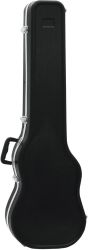
Hardshell guitar cases combine a rigid outer shell with contoured foam to hold the body and neck firmly. They resist impacts far better than soft covers and are the standard choice for frequent gigging.
String instrument cases
Violin, viola and cello cases are engineered around fragile bodies and long necks. Interiors feature bespoke padding and neck restraints, and larger cello cases often add wheels for transport.
Brass and woodwind cases
Brass instrument cases for trumpet, trombone or tuba, plus wind and woodwind cases for saxophone, clarinet or flute, use a box or contoured form with dense foam to guard valves, keys and bell sections.
Keyboard and drum cases
Keyboard cases protect long, heavy synths and controllers, while drum cases and hardware trunks handle shells, cymbals and stands, often reinforced for stacking.
Microphone, controller and rack-adjacent cases
For the event-tech world, microphone cases and 19-inch rack cases round out the range, letting you transport mixers, effects units and radio systems alongside your instruments.
Construction categories
Across all instruments you will find three broad build types: soft gig bags, semi-rigid cases and rigid hardshell or flight cases. The right pick depends on how far you travel, how rough the handling is and how valuable the instrument inside really is.
Materials and Protective Construction Explained
The material of an instrument case decides how much abuse it absorbs and how much it weighs on your back or in the van.
Common shell materials
- Plastics and roto-moulded polyethylene: roto-moulded cases are extremely tough, weather-resistant and popular for touring. They flex under impact instead of cracking.
- Plywood with laminate: the classic flight-case build, offering high crush resistance and easy fitting for custom foam.
- Aluminium and composite: lightweight, rigid and premium-looking, ideal where weight matters.
- Fabric and reinforced textile: used for gig bags, prioritising portability over crush protection.
Interior protection
The inside is where your instrument actually survives the journey. Foam inserts, pick-and-pluck foam and moulded fabric linings cushion shocks and prevent scratches. Bespoke padding tailored to the exact instrument shape delivers a snug fit that stops any movement, which is the single biggest factor in preventing transit damage.
Weatherproofing
Waterproof and dust-sealed cases add gaskets and pressure-equalisation valves, protecting sensitive electronics and acoustic wood from humidity and temperature swings. For outdoor stages and international road transport, moisture protection is not a luxury but a requirement.
Load and stacking capacity
Professional cases carry ratings for load and stacking capacity. Reinforced corners, ball corners and rigid lids let you stack cases in the truck without deforming the shells below. When you plan real road transport, always check the stated stacking load rather than assuming any case can be piled high.
Flight Cases vs. Soft Bags: Comparison for Touring Musicians
The single most common decision for bands, DJs and event technicians is flight case versus soft gig bag. Both protect your instrument, but they serve very different touring realities.
A flight case is the choice when your gear is handled by others, flies as cargo, or gets stacked in a truck. A gig bag wins when you carry everything yourself over short distances and value weight above all.
As a rule of thumb: if your instrument is valuable, travels far or is handled by anyone other than you, invest in a flight case. If you play regular local shows and load your own gear, a padded gig bag keeps you fast and mobile. Many touring professionals own both, matching the case to each specific journey.
Technical Buying Criteria and Features
Before you order, match the technical features of an instrument case to how you actually work.
Internal dimensions
Always buy by internal dimensions in millimetres, not by the instrument name alone. A compact microphone-system case, for example, may measure around 239 x 188 x 140 mm internally, so measure your instrument or device with any protruding parts before comparing sizes.
Shell rigidity and impact resistance
Decide between hardshell, semi-rigid and soft builds based on handling roughness. Roto-moulded and plywood flight cases offer the highest impact resistance for genuine road transport.
Foam type
Pick-and-pluck foam lets you create custom cutouts yourself, while pre-cut moulded foam offers a factory-perfect fit. Both keep the instrument from moving inside the shell.
Load and stacking rating
Check the stated stacking load if you transport several cases together. Ball corners and reinforced edges protect stacked cases and their contents.
Hardware and closures
Butterfly latches, recessed handles, spring-loaded grips and lockable catches all matter for security and comfort. Wheels and pull handles are essential for heavy keyboard, drum and rack cases.
Weight and portability
Balance protection against weight. Aluminium and composite shells cut kilos for gear you carry often; plywood flight cases add weight but maximise crush protection.
Sealing and climate protection
For sensitive electronics and acoustic instruments, look for gaskets and moisture protection to guard against humidity during road transport and storage.
Buying Guide for DJs, Bands and Event Technicians
This buying guide translates raw specs into decisions for the people LTT actually serves: DJs, bands, theatres, clubs and event crews.
For DJs
You move controllers, mixers, headphones and effects units, not just a single instrument. Combine a padded controller case with a 19-inch rack case for your audio interfaces and processors. Custom foam cutouts keep faders and jog wheels protected against pressure damage.
For bands on tour
If your gear flies or rides in a shared truck, choose flight cases with high stacking capacity for guitars, basses, keyboards and drum hardware. Prioritise waterproof, roto-moulded models for outdoor festival runs where moisture protection is critical.
For theatres, clubs and event agencies
Mixed inventories benefit from standardised case sizes that stack neatly and load predictably. Cases with wheels speed up load-in and load-out during tight changeover windows, and lockable latches protect valuable gear in shared venues.
For churches and rehearsal spaces
Where gear stays mostly in-house but moves occasionally, semi-rigid cases and quality gig bags offer a sensible balance of protection and budget.
Match protection to travel frequency
Ask yourself three questions: How valuable is the instrument? How far and how often does it travel? Who handles it? The more valuable, the further, and the more hands involved, the more you should lean toward a rigid flight case with custom foam. Investing in the right case now saves costly instrument repairs later, and as your reliable partner LTT helps you find the case that fits your setup and your budget.
Custom Foam Inserts and Safe Road Transport
Generic padding is fine for a single hobby instrument, but professional stage and event work demands a case that holds every device exactly in place. Custom foam inserts are where a good case becomes a great one.
Custom foam cutouts
Pick-and-pluck foam lets you shape recesses for an instrument plus its accessories, pedals, cables and microphones in one case. Alternatively, precisely cut foam inserts give a factory-grade fit that immobilises each item and absorbs shocks during transport. A snug cutout is the most effective protection against transit damage because nothing can shift, rattle or press against fragile parts.
Safe stacking and load handling
For DGUV-conscious stage crews, safe road transport means more than cushioning. Cases must stack securely, latch reliably and provide handles positioned for safe two-person lifting of heavy loads. Reinforced corners and honest stacking-load ratings keep the case at the bottom of the pile from crushing under everything above it. When you plan a truck load, arrange heavy flight cases low and light gig bags on top.
Rack integration
Many event setups combine instrument cases with 19-inch rack cases so controllers, mixers, effects units and radio systems travel in a coordinated, stackable system. Matching case footprints across your inventory makes loading faster and transport safer, which is exactly the workflow LTT designs its range around for professional use.
Care and Maintenance of Your Instrument Case
A case that protects your instrument deserves basic care so it keeps performing over years of touring.
Cleaning
Wipe hard shells with a damp cloth and mild cleaner; avoid aggressive solvents that can damage laminate or coatings. Vacuum foam interiors gently to remove dust, rosin and grit that could scratch your instrument. Let a wet case dry fully open before you close it to prevent mildew inside the foam.
Hardware maintenance
Check latches, hinges and handles regularly. A drop of light lubricant keeps butterfly latches and locks working smoothly, and tightening loose rivets or screws early prevents a handle failing mid-load.
Moisture control
Store cases in a dry, temperature-stable room. For high-value acoustic instruments, a humidity control pack inside the case helps stabilise conditions and protects wood from cracking.
Foam upkeep
Inspect foam inserts for compression and wear. Once foam no longer holds the instrument snugly, replace the insert rather than risk movement during road transport. Well-maintained cases protect your gear reliably and keep resale value high.
Brands and Manufacturers of Instrument Cases
LTT stocks hardware, cases and rack solutions from established manufacturers so you can equip an entire touring inventory from one specialist.
In the case and rack segment you will find well-known names such as Roadinger, Accu Case, Dimavery and Adam Hall Hardware, alongside case-building components and reinforcement parts that let you build or repair professional flight cases.
For the wider stage setup, LTT also carries hardware and accessory ranges from manufacturers like Adam Hall Accessories and Gravity, plus rack and transport gear that integrates cleanly with instrument cases in a coordinated system.
Choosing hardware from proven brands means dependable latches, corners and handles that survive real touring stress. As your reliable partner, LTT combines these high-quality branded products with the technical advice you need to build road cases that stand up to professional use.
Accessories and Related Categories for Instrument Cases
The right accessories turn a plain case into a complete transport solution.
Case accessories
Stock up on replacement foam sheets, pick-and-pluck inserts, butterfly latches, ball corners, recessed handles, castors and lockable catches. Cable ties, foam-lined pouches and small parts organisers help you keep microphones, adapters and clamps tidy inside the same case.
Rack and transport gear
For DJs and event crews, 19-inch rack cases carry mixers, effects units and radio systems that travel alongside your instruments, while wheeled transport boards speed up load-in for heavy stacks.
Related categories
Instrument cases sit within LTT's broader event-technology world. If you are equipping a stage, explore the shop's ranges for flight cases and rack cases, cables and connectors, and stands and hardware to complete your setup. Combining coordinated cases with matching transport and rack solutions gives you a system that loads faster and protects every piece of gear from van to venue.
LTT – Your Specialist for Event Technology
When you protect valuable instruments and gear, you want a partner who understands professional stage life. LTT brings over 25 years of experience in event technology, shipping from Bocholt in Germany with express delivery available and free shipping from €69.
As a manufacturer and full-service specialist rather than a generalist, LTT backs its range with a 3-year warranty and stands behind more than 100,000 positive customer reviews. Wholesale conditions for resellers and worldwide shipping make LTT a dependable source whether you run a single band or a full rental inventory.
Explore the wider range to complete your touring rig: pair your instrument cases with the shop's flight and rack cases, cabling and stage hardware for a coordinated system. Order the cases that let you set your gear in scene, get on the road and focus on the show, knowing your instruments arrive protected and stage-ready every time.
FAQ – Questions & Answers
Musical instrument cases fall into several categories defined by the instrument and the build type. By instrument you get guitar and bass cases, string instrument cases for violin, viola and cello, brass instrument cases for trumpet, trombone and tuba, wind and woodwind cases for saxophone, clarinet and flute, plus keyboard and drum cases. By construction you choose between soft gig bags, semi-rigid cases and rigid hardshell or flight cases. For event technicians, microphone cases and 19-inch rack cases extend the range to cover mixers, effects units and radio systems that travel with the band.
For maximum protection of a musical instrument, roto-moulded polyethylene and plywood flight cases lead the field. Roto-moulded cases flex under impact instead of cracking and offer strong weather resistance, making them ideal for air freight and rough road transport. Plywood flight cases deliver high crush and stacking resistance and accept custom foam inserts easily. Aluminium and composite shells provide rigid protection at lower weight. Whatever the shell, the interior matters just as much: bespoke foam padding tailored to the instrument shape prevents movement and absorbs shocks, which is the single biggest factor in avoiding transit damage.
Choose an instrument case by internal dimensions in millimetres rather than by the instrument name alone. Measure your instrument or device including any protruding parts such as necks, bells or knobs, then compare that against the stated internal size of the case, for example 239 x 188 x 140 mm on a compact system case. Leave enough room for foam padding to surround the instrument snugly without forcing it. A case that is too large lets the instrument shift and take impacts, while one too small risks pressure damage, so aim for a firm, cushioned fit.
The difference between a flight case and a gig bag lies in protection versus portability. A flight case uses a rigid roto-moulded or plywood shell with reinforced corners, offering very high impact and crush resistance and the ability to stack safely in a truck or fly as cargo. A gig bag uses padded fabric, staying light and easy to carry but only guarding against scratches and light knocks. Choose a flight case when valuable gear travels far or is handled by others, and a gig bag when you carry your own instrument over short distances to local shows.
The cost of an instrument case depends on the build type, size and brand. Padded gig bags are the most budget-friendly option, while semi-rigid and hardshell cases sit in the mid-range. Professional flight cases and roto-moulded models command a higher investment, and a wheeled mixer or rack case can run into several hundred euros depending on dimensions and hardware. At LTT you benefit from free shipping from €69, a 3-year warranty and wholesale conditions for resellers, so you can match the protection level to your budget while equipping a full touring inventory.
Common musical instruments that travel in dedicated cases include guitar, electric bass, violin, viola, cello, double bass, trumpet, trombone, tuba, French horn, saxophone, clarinet, flute, oboe, keyboard, synthesizer, drum kit components, cymbals, ukulele and mandolin. Each of these has case types shaped to its size and fragility, from contoured string instrument cases to box-style brass cases and long keyboard flight cases. For DJs and event technicians, the same protective logic extends to microphones, controllers and rack-mounted mixers and effects units, all of which benefit from a case fitted with foam that holds them securely during road transport.
The violin is frequently cited as one of the hardest instruments to play, demanding precise intonation and bow control, and its fragility makes a well-built case essential. Violin cases feature bespoke padding, neck restraints and a shaped interior to protect the delicate body, bridge and strings against knocks and humidity. Other demanding instruments such as the French horn and oboe likewise rely on contoured, foam-lined cases. Whatever the instrument's difficulty, a snug case with moisture protection preserves tuning stability and extends the instrument's lifespan through years of transport and storage.
Hiscox is a long-established maker of lightweight moulded instrument cases, well known among musicians for its Liteflite range. The brand continues to produce protective cases for guitars, brass and other instruments, and its models remain widely available through music and case retailers. If you are looking for comparable protection at LTT, focus on roto-moulded and hardshell cases with custom foam inserts, which deliver the same core benefits: rigid shells, snug interior padding and dependable impact resistance for professional stage and road transport use.